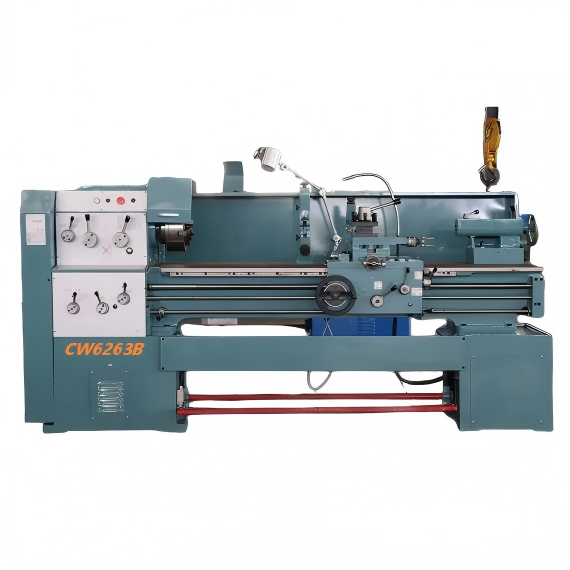
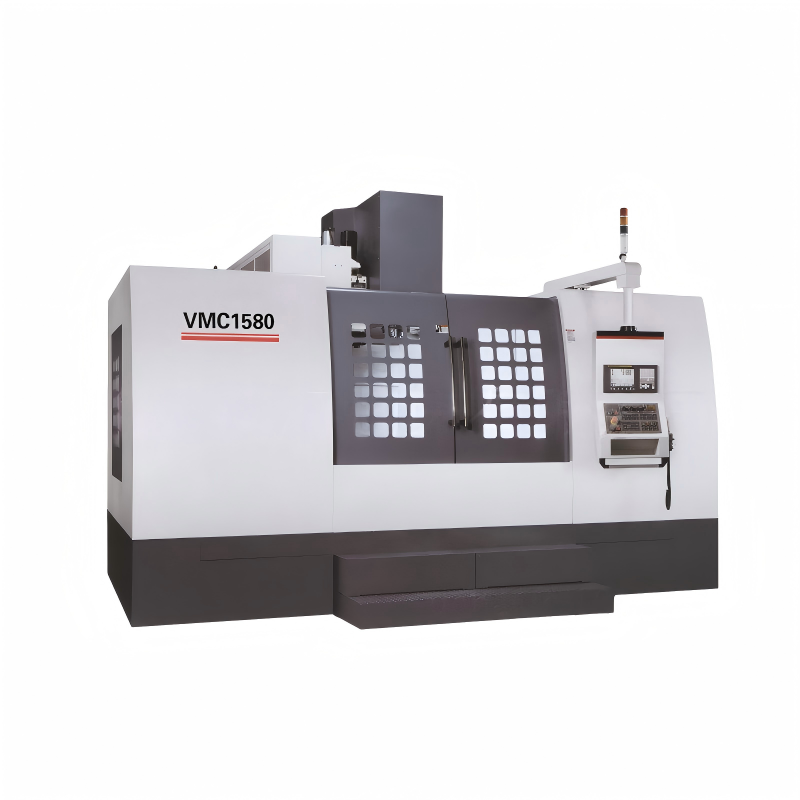
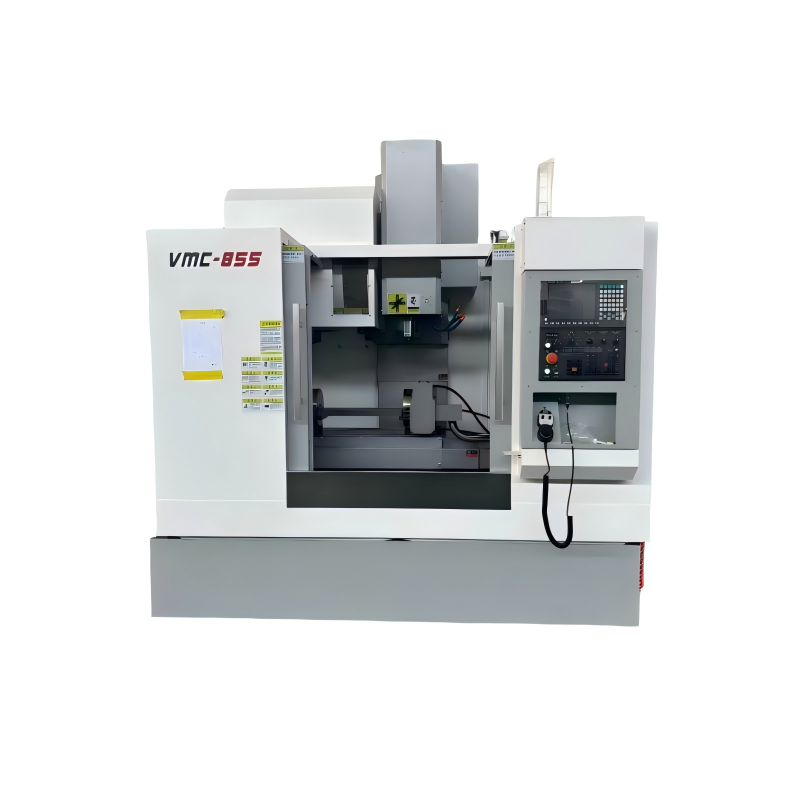
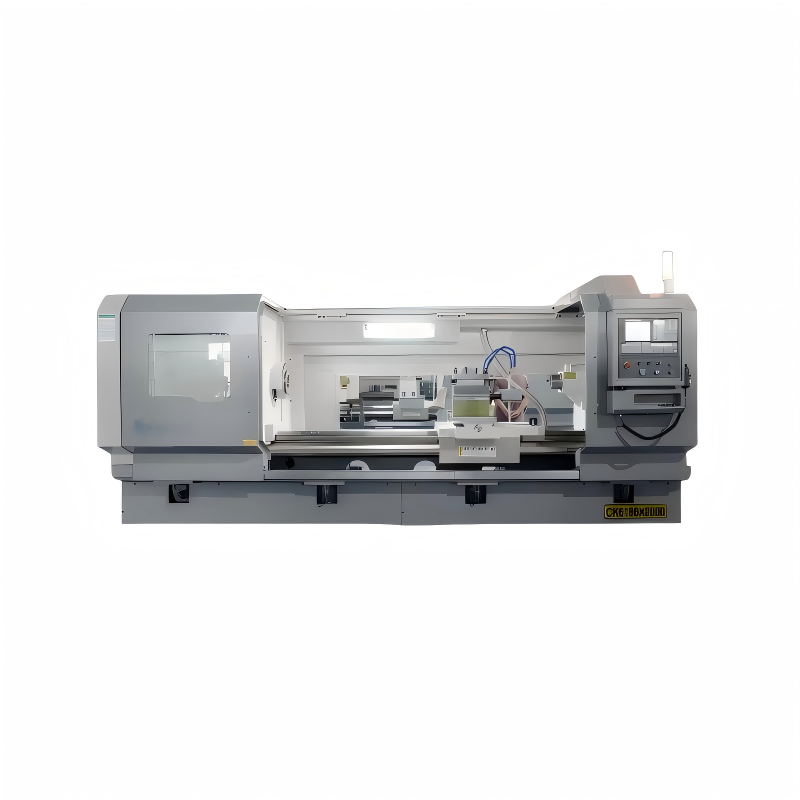
In the realm of precision machining, the 2-Axis CNC Turning Center stands out as a powerful tool for enhancing productivity and efficiency. This report delves into the capabilities, advantages, and applications of the 2-Axis CNC Turning Center, providing insights on how it can be leveraged to maximize efficiency in manufacturing processes.
The 2-Axis CNC Turning Center is a versatile machine that operates along two primary axes: the X-axis (horizontal) and the Z-axis (vertical). These axes allow the machine to perform a wide range of operations, including turning, facing, grooving, and threading. The machine's ability to move along these axes with high precision and repeatability makes it an indispensable asset in modern manufacturing environments.
One of the key features of the 2-Axis CNC Turning Center is its computer numerical control (CNC) system. This system enables the machine to execute complex and precise movements based on pre-programmed instructions. The CNC system not only enhances accuracy but also reduces the likelihood of human error, ensuring consistent quality in the final product.
The 2-Axis CNC Turning Center offers several advantages that make it a preferred choice for many manufacturers. One of the most significant benefits is its ability to handle a variety of materials, including metals, plastics, and composites. This versatility allows manufacturers to use the same machine for different projects, reducing the need for multiple machines and streamlining the production process.
Another advantage is the high level of automation provided by the CNC system. This automation not only increases the speed of production but also reduces labor costs. Operators can set up the machine and then let it run unattended, freeing them to focus on other tasks. Additionally, the CNC system can store and recall programs, making it easy to switch between different jobs without the need for reprogramming.
The 2-Axis CNC Turning Center also excels in terms of precision and consistency. The machine's ability to maintain tight tolerances ensures that each part produced meets the required specifications. This is particularly important in industries where precision is critical, such as aerospace, automotive, and medical device manufacturing.
To fully leverage the capabilities of a 2-Axis CNC Turning Center, manufacturers must adopt best practices and strategies that enhance efficiency. One such strategy is the use of advanced tooling. High-performance cutting tools, such as carbide inserts and diamond-coated tools, can significantly improve cutting speeds and reduce wear, leading to faster production and longer tool life.
Optimizing the CNC program is another crucial step in maximizing efficiency. By fine-tuning the program, operators can ensure that the machine operates at its full potential. This includes optimizing feed rates, spindle speeds, and tool paths to minimize cycle times and improve surface finish. Advanced CAM software can help in this process by generating efficient tool paths and simulating the machining process to identify potential issues before they occur.
Maintenance and regular calibration are also essential for maintaining the performance of a 2-Axis CNC Turning Center. Regular maintenance, such as lubrication and cleaning, prevents wear and tear and ensures that the machine operates smoothly. Calibration, on the other hand, ensures that the machine maintains its accuracy over time. By following a strict maintenance schedule, manufacturers can avoid downtime and ensure consistent performance.
The 2-Axis CNC Turning Center finds applications in a wide range of industries, from automotive and aerospace to medical and electronics. In the automotive industry, the machine is used to produce components such as shafts, gears, and bushings, which require high precision and durability. In the aerospace sector, the 2-Axis CNC Turning Center is used to manufacture parts for aircraft engines and structural components, where precision and reliability are paramount.
In the medical industry, the 2-Axis CNC Turning Center is employed to produce surgical instruments, implants, and other medical devices. The machine's ability to handle a variety of materials, including titanium and stainless steel, makes it well-suited for these applications. In the electronics industry, the 2-Axis CNC Turning Center is used to produce connectors, enclosures, and other precision components that require tight tolerances and high surface finish quality.
The 2-Axis CNC Turning Center is a robust and versatile machine that plays a vital role in modern manufacturing. Its ability to operate along two axes, combined with the precision and automation provided by the CNC system, makes it an invaluable tool for enhancing efficiency and productivity. By adopting best practices and leveraging the machine's full capabilities, manufacturers can achieve higher output, better quality, and reduced costs. As technology continues to advance, the 2-Axis CNC Turning Center will remain a cornerstone of precision machining, driving innovation and excellence in the manufacturing industry.
 22/06/2026
In the world of precision manufacturing, the 2-Axis CNC Turning Center stands out as a versatile and indispensable tool. This technology has revolutionized the production processes for many industries, offering an efficient and accurate method to shape ma
Read More22/06/2026Introduction to 2-Axis CNC Turning CentersA 2-Axis CNC (Computer Numerical Control) turning center is a type of machine tool used for shaping metal, plastic, and other materials. This device operates along two axes, the X-axis and the Z-axis, which are cr
Read More22/06/2026In the realm of precision machining, 2-Axis CNC Turning Centers stand out as versatile and efficient tools for producing high-quality parts. This report delves into the capabilities of these machines, exploring their advantages, applications, and the tech
Read MoreOur professional sales team is always ready to assist you.