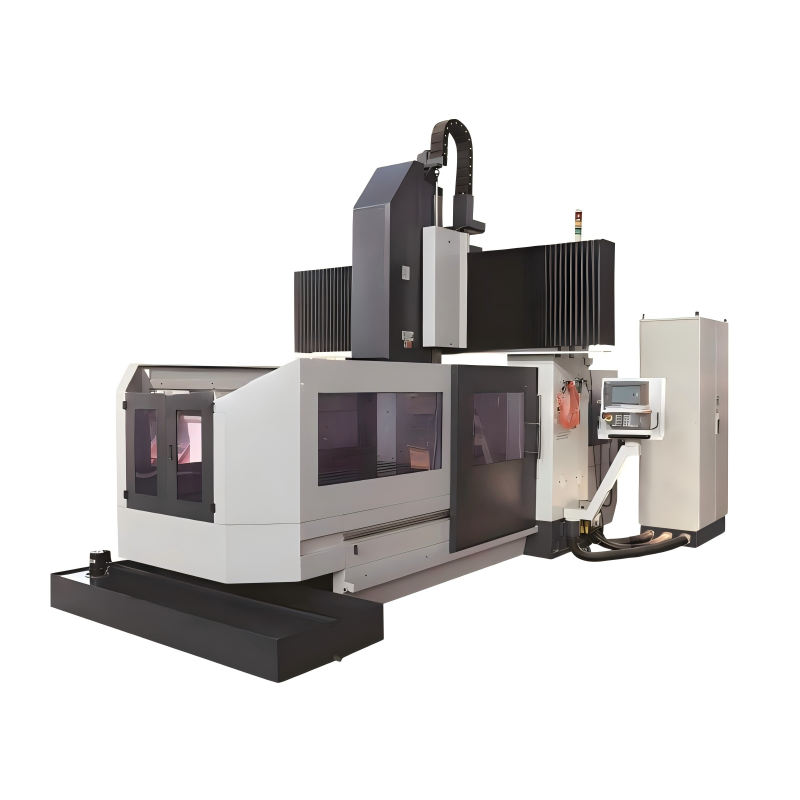
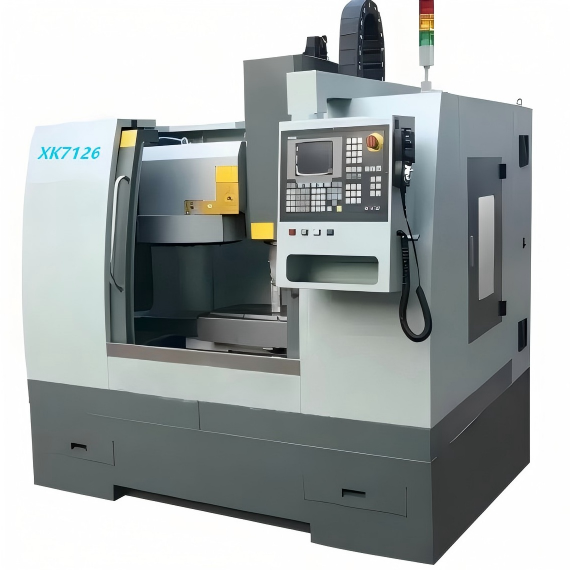
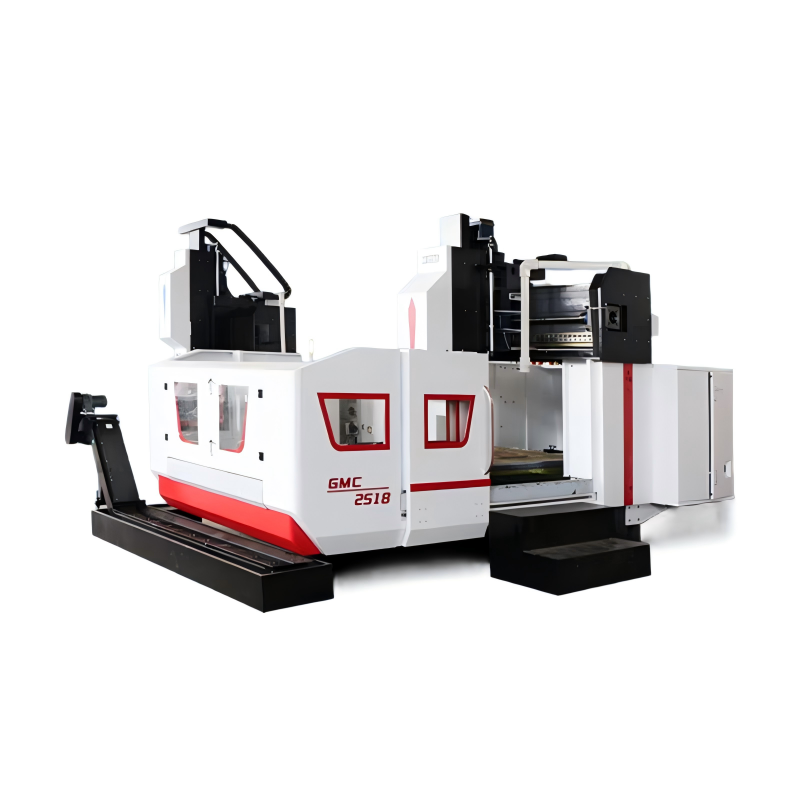
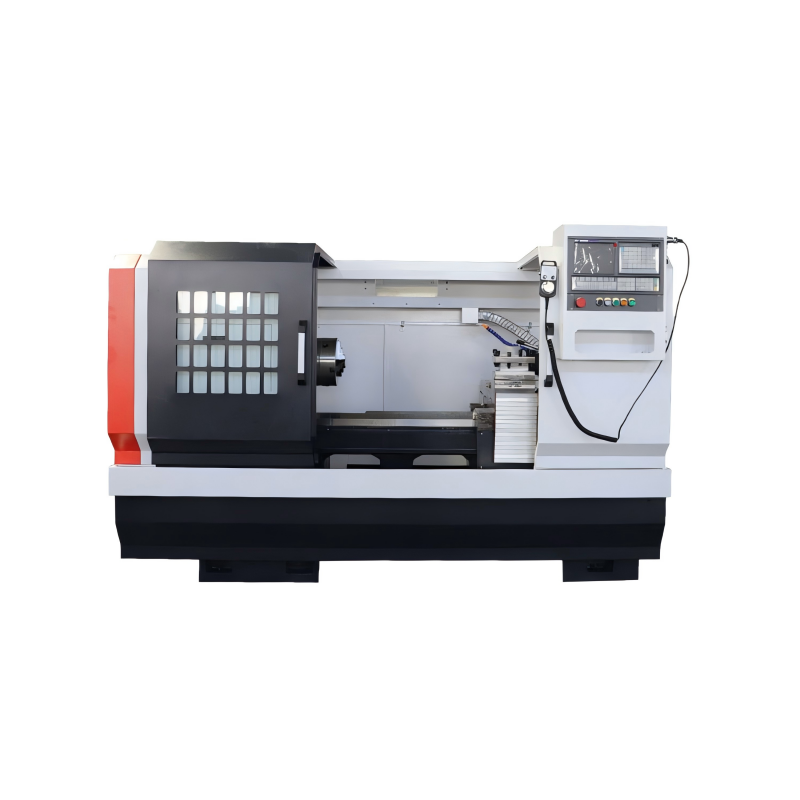
In today’s manufacturing landscape, the integration of advanced technologies has become a necessity for businesses aiming to stay competitive. One such technology that stands out is the heavy-duty CNC work center. This article explores how leveraging a heavy-duty CNC work center can significantly enhance operational efficiency and productivity.
A heavy-duty CNC (Computer Numerical Control) work center is an advanced machine designed to handle large, complex, and high-precision machining tasks. These machines are equipped with powerful spindles, robust construction, and sophisticated control systems, making them ideal for industries such as aerospace, automotive, and heavy machinery manufacturing. The heavy-duty CNC work center is not just a tool; it is a comprehensive solution that integrates multiple machining processes into a single, highly efficient unit.
The key features of a heavy-duty CNC work center include:
These features make the heavy-duty CNC work center a versatile and indispensable asset in modern manufacturing environments.
One of the primary advantages of a heavy-duty CNC work center is its ability to automate complex machining processes. Automation reduces the need for manual intervention, thereby minimizing human error and increasing consistency. This is particularly beneficial in high-volume production environments where precision and repeatability are critical.
Automation in a heavy-duty CNC work center can be achieved through various means, including:
By automating these processes, manufacturers can achieve higher levels of productivity and maintain a competitive edge in the market.
Precision and quality are paramount in manufacturing, especially in industries where tolerances are tight and performance is critical. A heavy-duty CNC work center excels in delivering high-precision results, thanks to its advanced control systems and robust design. The machine's ability to perform multi-axis machining ensures that even the most complex geometries can be machined with accuracy.
Key factors that contribute to the high precision and quality of a heavy-duty CNC work center include:
These features ensure that the final product meets the highest standards of quality, reducing the likelihood of rework and scrap, and ultimately saving time and resources.
Another significant benefit of a heavy-duty CNC work center is its reliability and low maintenance requirements. These machines are built to last, with durable components and robust designs that can withstand the rigors of continuous operation. By reducing downtime and maintenance costs, manufacturers can achieve higher overall equipment effectiveness (OEE).
To further minimize downtime and maintenance, heavy-duty CNC work centers often feature:
These features enable proactive maintenance, ensuring that the machine remains in optimal condition and operates at peak performance.
Efficient material utilization is a critical factor in cost-effective manufacturing. A heavy-duty CNC work center can help optimize material usage through its advanced nesting and cutting algorithms. These algorithms are designed to maximize the yield from raw materials, reducing waste and lowering production costs.
Additionally, the multi-axis capabilities of a heavy-duty CNC work center allow for the machining of complex parts in a single setup, eliminating the need for multiple operations and setups. This not only saves time but also reduces the risk of errors and inconsistencies.
Key strategies for optimizing material utilization and cost efficiency include:
By adopting these strategies, manufacturers can achieve significant cost savings and improve their bottom line.
Maximizing efficiency with a heavy-duty CNC work center is a strategic move for any manufacturer looking to stay ahead in a competitive market. The combination of automation, precision, reliability, and cost efficiency makes the heavy-duty CNC work center an invaluable asset in modern manufacturing. By investing in this advanced technology, manufacturers can enhance their productivity, improve product quality, and achieve long-term success.
 04/06/2026
Introduction to Heavy-Duty CNC Work Centers In the modern manufacturing landscape, heavy-duty CNC work centers have become indispensable tools for producing high-precision components. These machines are designed to handle large and complex parts, making t
Read More03/06/2026IntroductionIn the realm of manufacturing, precision and efficiency are paramount. The integration of advanced technology into production processes has revolutionized how industries operate. One such innovation that stands out is the heavy-duty CNC work c
Read More02/06/2026IntroductionThe evolution of manufacturing technology has been a continuous journey, marked by the advent of new tools and techniques that push the boundaries of what is possible. Among these, heavy-duty CNC work centers have emerged as a cornerstone in t
Read More01/06/2026Understanding the Capabilities of a Heavy-Duty CNC Work Center A heavy-duty CNC work center is an indispensable tool in modern manufacturing, offering unparalleled precision and efficiency. This section will delve into the fundamental aspects that make th
Read More31/05/2026IntroductionA heavy-duty CNC work center is a critical piece of machinery in modern manufacturing, capable of producing complex parts with high precision and efficiency. However, to ensure optimal performance and longevity, regular maintenance is essentia
Read More30/05/2026IntroductionSelecting the appropriate heavy-duty CNC work center is a critical decision for any manufacturing business. A well-chosen CNC (Computer Numerical Control) system can significantly enhance productivity, reduce operational costs, and improve pro
Read More29/05/2026Innovations in Heavy-Duty CNC Work Center TechnologyAdvancements in Material Handling and Feeding SystemsAutomated Material LoadingThe integration of automated material loading systems within heavy-duty CNC work centers has significantly reduced setup tim
Read More28/05/2026IntroductionIn the realm of modern manufacturing, the heavy-duty CNC work center has emerged as a pivotal piece of equipment. This advanced machinery not only accelerates production processes but also enhances precision and efficiency. The integration of
Read More27/05/2026In the realm of manufacturing, a heavy-duty CNC work center stands out as an essential tool for achieving high precision and productivity. This report delves into strategies that can be employed to maximize efficiency with such advanced machinery, focusin
Read More26/05/2026IntroductionThe heavy-duty CNC work center stands as a pinnacle of modern manufacturing technology, embodying precision, efficiency, and versatility. This report delves into the capabilities of a heavy-duty CNC work center, exploring its advanced features
Read MoreOur professional sales team is always ready to assist you.