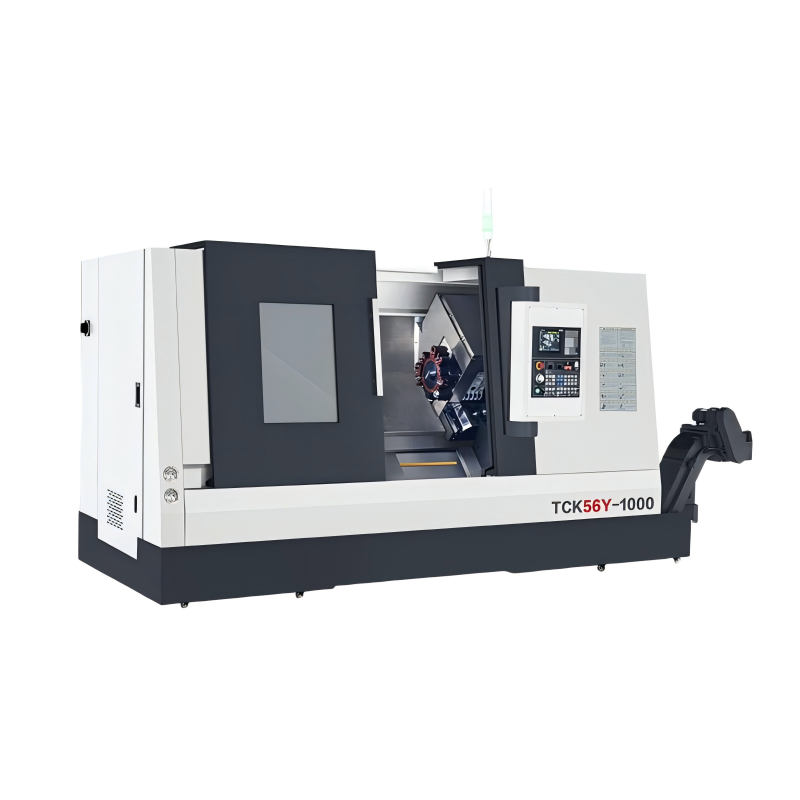
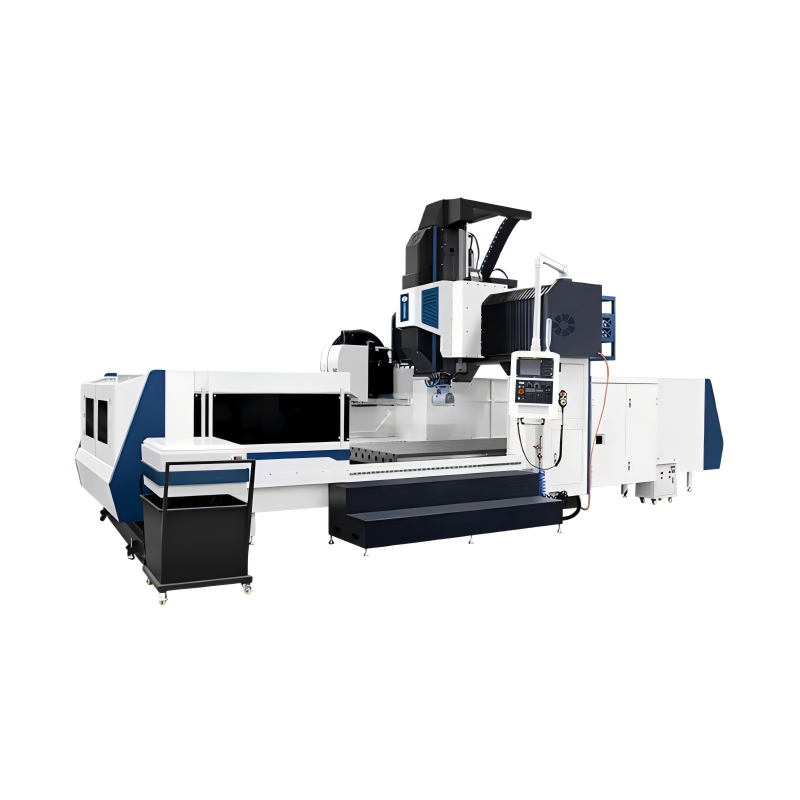
In today's fast-paced manufacturing environment, the integration of a multi-axis CNC workcell can significantly enhance productivity and efficiency. This report delves into how adopting such advanced machinery not only optimizes production processes but also leads to cost savings and improved product quality. We will explore the benefits of incorporating a multi-axis CNC workcell, including its ability to handle complex geometries, reduce setup times, and increase overall operational flexibility. Additionally, we will discuss key considerations for implementation, potential challenges, and strategies for maximizing the return on investment. By understanding these aspects, manufacturers can make informed decisions that lead to sustainable competitive advantages.
The introduction of a multi-axis CNC workcell allows for the automation of tasks that were previously performed manually. This shift reduces the need for human intervention, thereby minimizing the risk of errors and improving consistency in the final products. The automated nature of these systems ensures that each operation is carried out with precision, leading to higher quality outputs.
With the capability to perform multiple operations simultaneously, a multi-axis CNC workcell can dramatically increase the throughput of a manufacturing line. The ability to machine parts from various angles without the need for repositioning or manual adjustments means that more components can be produced within a shorter timeframe. This not only boosts productivity but also helps in meeting tight deadlines and increasing customer satisfaction.
One of the most significant advantages of using a multi-axis CNC workcell is the high level of accuracy it provides. These machines are designed to achieve extremely precise tolerances, which is crucial for industries where the smallest deviation can have major consequences. Whether it’s aerospace, automotive, or medical device manufacturing, the precision offered by multi-axis CNC technology ensures that parts meet the strictest standards.
Another benefit of a multi-axis CNC workcell is its ability to produce consistent results over time. Once the program is set up, the machine can repeat the same process with minimal variation, ensuring that every part manufactured is identical. This consistency is particularly important for large production runs where uniformity is essential. It also reduces the need for frequent quality checks, saving both time and resources.
A multi-axis CNC workcell excels in machining parts with complex geometries. Traditional 3-axis machines often struggle with intricate designs, requiring multiple setups and additional tooling. In contrast, a multi-axis system can access all sides of a part in a single setup, making it ideal for producing components with unique shapes and features. This capability opens up new possibilities for design innovation and customization.
Multi-axis CNC workcells are versatile enough to handle a wide range of materials, from metals and plastics to composites and exotic alloys. This adaptability means that manufacturers can use the same machine for different projects, reducing the need for specialized equipment. Furthermore, the ability to switch between materials quickly and efficiently enhances the overall flexibility of the production process, allowing for greater responsiveness to market demands.
One of the key factors contributing to the cost-effectiveness of a multi-axis CNC workcell is the reduction in setup times. Traditional methods often require extensive setup procedures, which can be time-consuming and labor-intensive. With a multi-axis system, the setup process is streamlined, allowing for faster transitions between jobs. This not only saves time but also reduces the costs associated with downtime and labor.
While the initial investment in a multi-axis CNC workcell may be substantial, the long-term savings can be significant. The increased efficiency, reduced scrap rates, and lower labor costs contribute to a positive return on investment (ROI). Additionally, the ability to produce high-quality parts consistently can lead to fewer rejections and returns, further enhancing the financial benefits. Over time, these savings can more than offset the initial capital expenditure, making the adoption of a multi-axis CNC workcell a financially sound decision.
Implementing a multi-axis CNC workcell requires a skilled workforce capable of programming and operating the machine. Training existing employees or hiring new ones with the necessary expertise is essential to ensure the full utilization of the technology. While this may involve an initial investment in training, the long-term benefits of having a knowledgeable team far outweigh the costs. Additionally, ongoing support and continuous learning opportunities should be provided to keep the workforce up-to-date with the latest advancements.
Like any sophisticated piece of machinery, a multi-axis CNC workcell requires regular maintenance to ensure optimal performance. This includes routine checks, software updates, and timely repairs. Establishing a robust maintenance schedule and partnering with reliable service providers can help minimize downtime and extend the lifespan of the equipment. It is also important to consider the availability of technical support and spare parts, as these factors can impact the overall reliability and efficiency of the workcell.
 04/06/2026
With the rapid advancements in manufacturing technology, multi-axis CNC workcells have emerged as a game-changer, transforming industries by enhancing productivity, precision, and flexibility. These advanced systems are capable of performing complex opera
Read More04/06/2026In the realm of modern manufacturing, multi-axis CNC workcells have emerged as a transformative force, reshaping how products are designed and produced. These advanced systems, which combine multiple axes of motion with computer numerical control (CNC), o
Read More04/06/2026In the realm of advanced manufacturing, the multi-axis CNC workcell stands out as a beacon of precision and flexibility. This technology integrates multiple axes of movement, allowing for complex geometries to be machined with unparalleled accuracy. The m
Read More04/06/2026In the rapidly evolving landscape of manufacturing, the integration of advanced technologies such as multi-axis CNC workcells is reshaping the industry. These sophisticated systems are not only enhancing productivity and precision but also enabling manufa
Read More04/06/2026In today's competitive manufacturing landscape, maximizing efficiency is crucial for staying ahead. A multi-axis CNC workcell offers a powerful solution to enhance productivity and precision. This report explores the benefits of integrating a multi-axis C
Read More04/06/2026In the rapidly evolving landscape of manufacturing, multi-axis CNC (Computer Numerical Control) workcells are emerging as a transformative force. These advanced systems offer unparalleled precision, flexibility, and efficiency, making them indispensable i
Read More04/06/2026In today's manufacturing landscape, the selection of an appropriate multi-axis CNC workcell is critical for enhancing productivity, precision, and flexibility. This technical report aims to guide manufacturers through the process of choosing the right mul
Read More04/06/2026In the rapidly evolving landscape of precision machining, the multi-axis CNC workcell stands out as a transformative technology. This advanced manufacturing solution not only enhances the efficiency and accuracy of production processes but also opens up n
Read More04/06/2026In the rapidly evolving landscape of modern manufacturing, the integration of multi-axis CNC workcells has become a game-changer. These advanced systems offer unparalleled precision, flexibility, and efficiency, enabling manufacturers to produce complex p
Read MoreOur professional sales team is always ready to assist you.