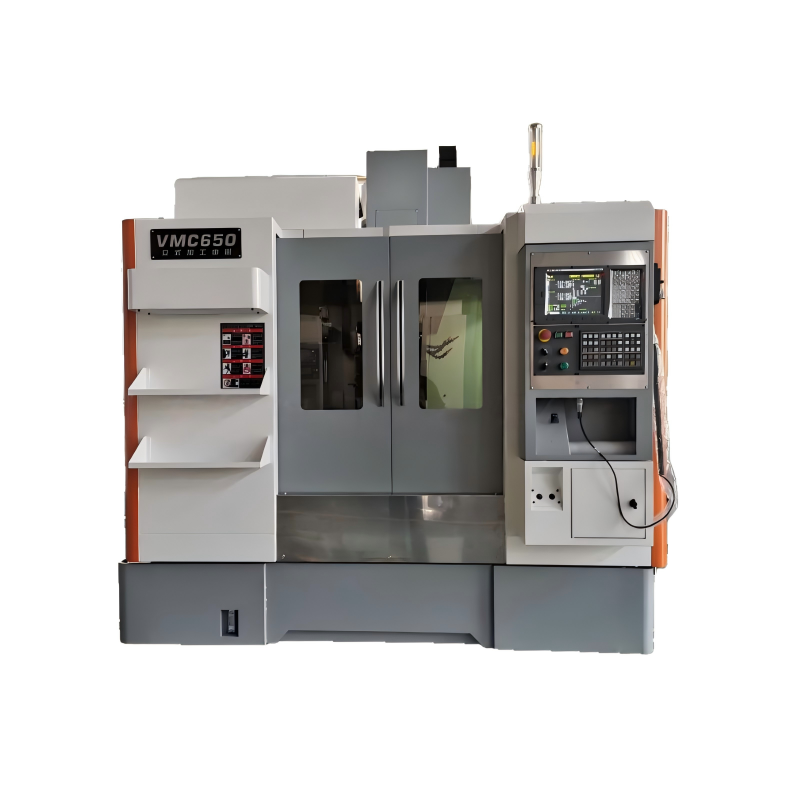
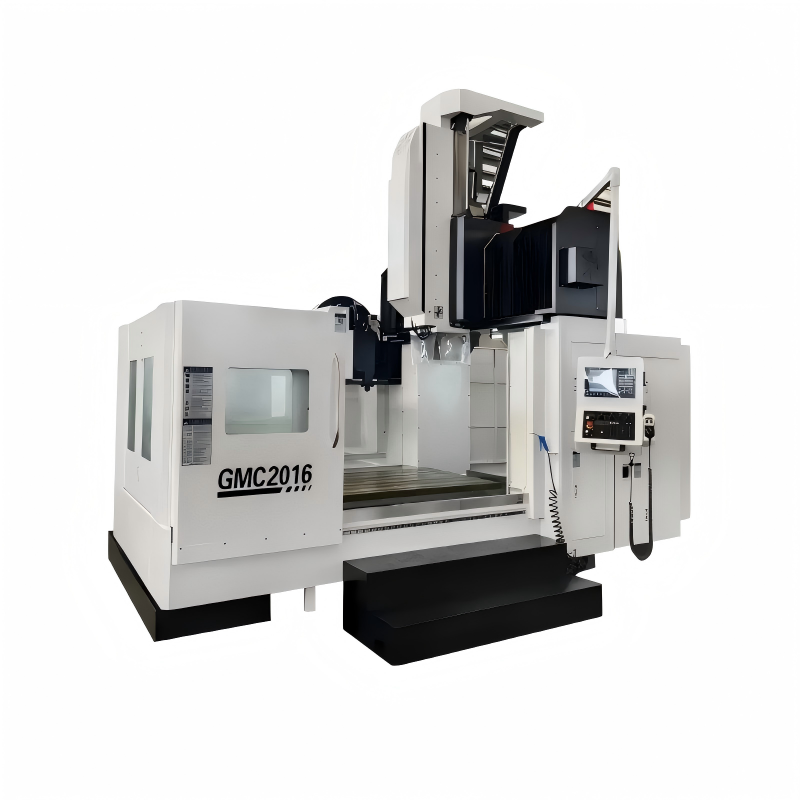
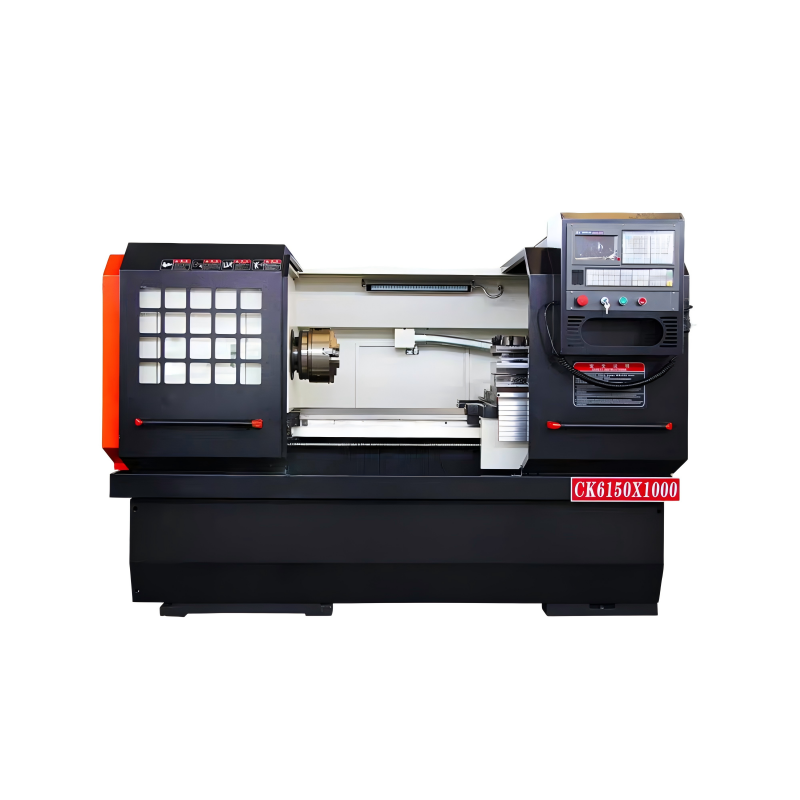
In today's competitive manufacturing landscape, maximizing efficiency is crucial for staying ahead. A multi-axis CNC workcell offers a powerful solution to enhance productivity and precision. This report explores the benefits of integrating a multi-axis CNC workcell into your production process, focusing on how it can optimize workflow, reduce costs, and improve overall quality. By leveraging advanced technology and automation, manufacturers can achieve higher throughput, greater flexibility, and enhanced accuracy, ultimately leading to increased profitability and customer satisfaction.
A multi-axis CNC workcell allows for simultaneous operations on multiple axes, significantly reducing the time required to complete complex parts. This capability enables faster cycle times, as the machine can perform several tasks in a single setup, eliminating the need for multiple setups and tool changes. The result is a substantial increase in throughput, allowing manufacturers to meet tight deadlines and handle larger volumes of work.
One of the key advantages of a multi-axis CNC workcell is its ability to minimize setup time. Traditional machining processes often require multiple setups and repositioning of the workpiece, which can be time-consuming and labor-intensive. With a multi-axis workcell, the workpiece remains fixed while the machine performs all necessary operations, reducing the need for frequent setups and minimizing downtime. This streamlined approach not only saves time but also reduces the risk of errors and inconsistencies.
Multi-axis CNC workcells are designed to deliver high levels with precision, ensuring that parts are manufactured to exact specifications. The ability to control multiple axes simultaneously allows for intricate and complex geometries to be machined with unparalleled accuracy. This level of precision is critical in industries where tolerances are extremely tight, such as aerospace, medical devices, and automotive. By maintaining consistent quality, manufacturers can build a reputation for reliability and excellence.
Another significant benefit of using a multi-axis CNC workcell is the consistency and reliability of the finished products. Automated processes and advanced control systems ensure that each part is machined to the same high standards, reducing the likelihood of defects and variations. This consistency is particularly important in mass production, where even minor deviations can lead to significant quality issues. By achieving high levels of repeatability, manufacturers can ensure that their products meet the highest standards of quality and performance.
Integrating a multi-axis CNC workcell into the production process can lead to significant cost savings, particularly in terms of labor. The automation capabilities of these machines reduce the need for manual intervention, allowing operators to focus on more value-added tasks. This not only improves efficiency but also reduces the risk of human error, leading to lower rework and scrap rates. Additionally, the reduced need for skilled labor can help mitigate the impact of labor shortages and rising wages.
Multi-axis CNC workcells are highly efficient in their use of materials, minimizing waste and optimizing resource utilization. Advanced software and cutting strategies enable the machine to make precise cuts, reducing the amount of material removed and the number of rejected parts. This not only saves on raw material costs but also contributes to a more sustainable manufacturing process. By reducing waste, manufacturers can achieve both economic and environmental benefits, aligning with the growing demand for eco-friendly practices.
One of the standout features of a multi-axis CNC workcell is its ability to handle complex and intricate geometries. Whether it's machining parts with multiple angles, curves, or undercuts, these machines can perform a wide range of operations with ease. This versatility makes them ideal for industries that require high-precision, custom, or specialized components. By offering the capability to produce a diverse range of parts, manufacturers can expand their product offerings and meet the demands of various markets.
Another advantage of a multi-axis CNC workcell is its ability to quickly adapt to different production requirements. The modular design and advanced control systems allow for rapid changeovers, enabling manufacturers to switch between different parts and configurations with minimal downtime. This flexibility is particularly valuable in high-mix, low-volume production environments, where the ability to quickly adjust to changing customer demands is essential. By providing a more agile and responsive manufacturing process, multi-axis CNC workcells can help companies stay competitive and innovative.
 04/06/2026
With the rapid advancements in manufacturing technology, multi-axis CNC workcells have emerged as a game-changer, transforming industries by enhancing productivity, precision, and flexibility. These advanced systems are capable of performing complex opera
Read More04/06/2026In the realm of modern manufacturing, multi-axis CNC workcells have emerged as a transformative force, reshaping how products are designed and produced. These advanced systems, which combine multiple axes of motion with computer numerical control (CNC), o
Read More04/06/2026In the realm of advanced manufacturing, the multi-axis CNC workcell stands out as a beacon of precision and flexibility. This technology integrates multiple axes of movement, allowing for complex geometries to be machined with unparalleled accuracy. The m
Read More04/06/2026In the rapidly evolving landscape of manufacturing, the integration of advanced technologies such as multi-axis CNC workcells is reshaping the industry. These sophisticated systems are not only enhancing productivity and precision but also enabling manufa
Read More04/06/2026In the rapidly evolving landscape of manufacturing, multi-axis CNC (Computer Numerical Control) workcells are emerging as a transformative force. These advanced systems offer unparalleled precision, flexibility, and efficiency, making them indispensable i
Read More04/06/2026In today's manufacturing landscape, the selection of an appropriate multi-axis CNC workcell is critical for enhancing productivity, precision, and flexibility. This technical report aims to guide manufacturers through the process of choosing the right mul
Read More04/06/2026In today's fast-paced manufacturing environment, the integration of a multi-axis CNC workcell can significantly enhance productivity and efficiency. This report delves into how adopting such advanced machinery not only optimizes production processes but a
Read More04/06/2026In the rapidly evolving landscape of precision machining, the multi-axis CNC workcell stands out as a transformative technology. This advanced manufacturing solution not only enhances the efficiency and accuracy of production processes but also opens up n
Read More04/06/2026In the rapidly evolving landscape of modern manufacturing, the integration of multi-axis CNC workcells has become a game-changer. These advanced systems offer unparalleled precision, flexibility, and efficiency, enabling manufacturers to produce complex p
Read MoreOur professional sales team is always ready to assist you.