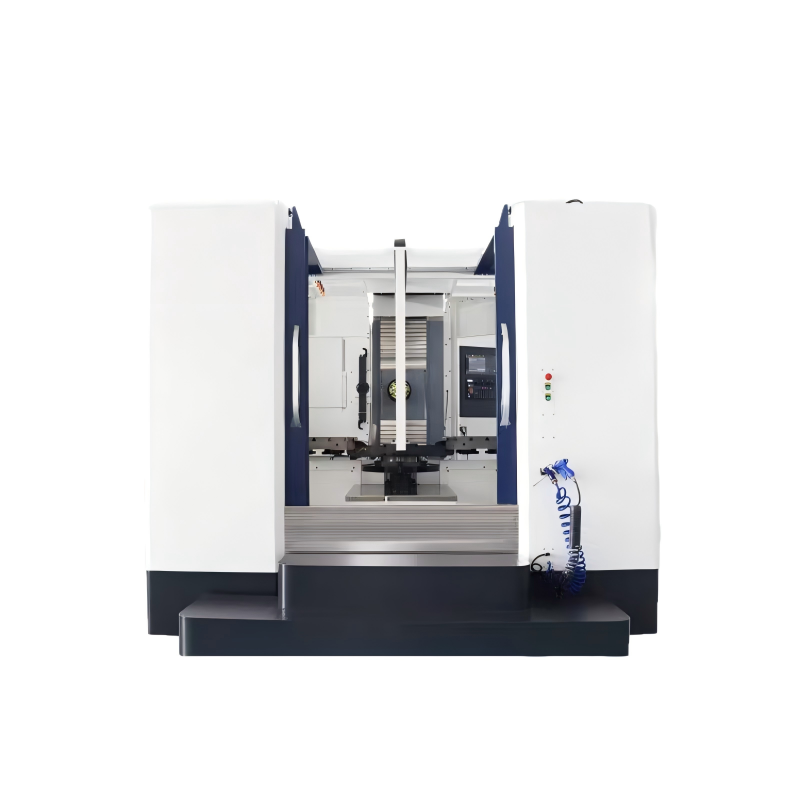
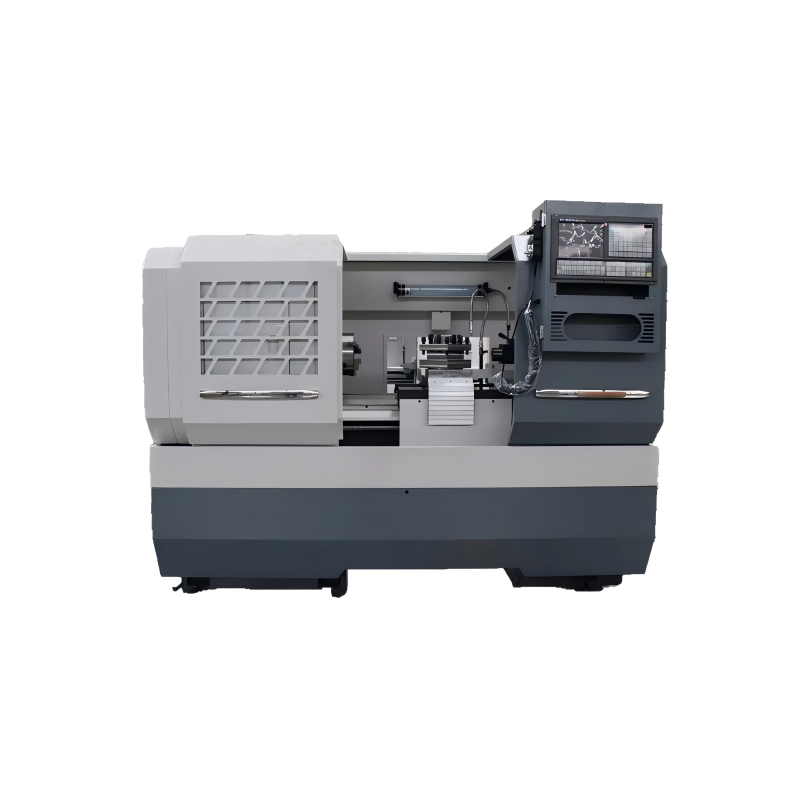
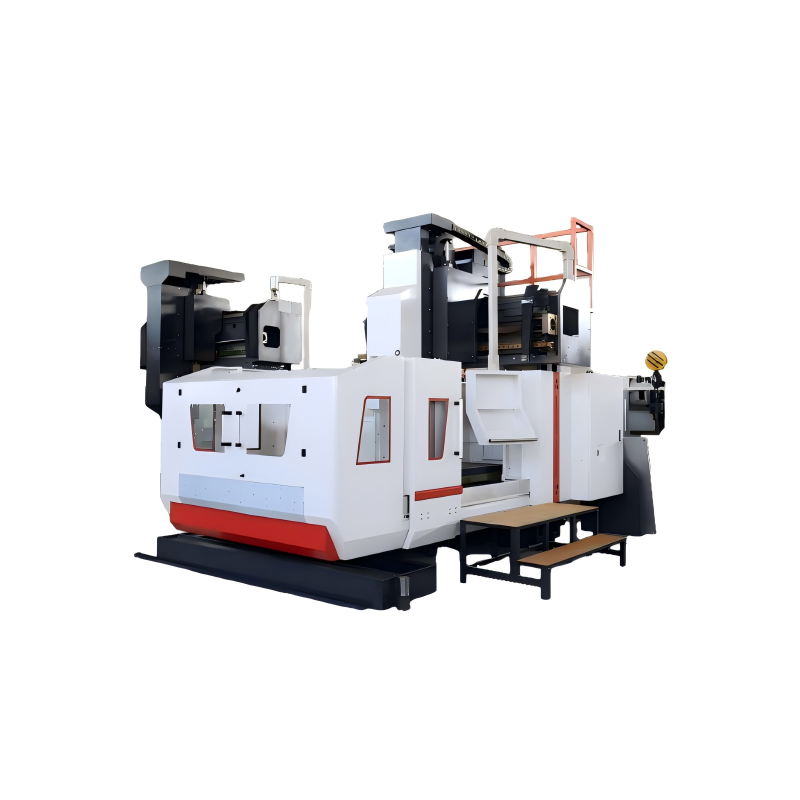
In today’s rapidly evolving manufacturing landscape, the demand for precision and efficiency in production processes has never been higher. One of the key technologies driving this transformation is the heavy-duty machining platform. These advanced systems are designed to handle large-scale, high-precision machining tasks with unparalleled accuracy and speed. This report will explore how modern heavy-duty machining platforms can maximize efficiency in industrial settings, focusing on their technological advancements, integration with Industry 4.0, and the benefits they bring to manufacturers.
The evolution of heavy-duty machining platforms has been driven by continuous technological innovations. Modern platforms are equipped with state-of-the-art features such as multi-axis capabilities, high-torque spindles, and advanced control systems. These features enable the machines to perform complex operations with minimal human intervention, reducing the risk of errors and increasing productivity. For instance, the introduction of 5-axis machining has revolutionized the way parts are manufactured, allowing for the creation of intricate geometries that were previously impossible to achieve. Additionally, the use of high-torque spindles ensures that the machine can handle tough materials with ease, making it an ideal solution for industries that require robust and durable components.
Another significant advancement is the integration of real-time monitoring and diagnostic systems. These systems provide operators with valuable insights into the machine's performance, enabling them to identify and address potential issues before they escalate. This not only reduces downtime but also extends the lifespan of the equipment, leading to long-term cost savings for the manufacturer.
The concept of Industry 4.0, or the Fourth Industrial Revolution, emphasizes the integration of advanced technologies such as the Internet of Things (IoT), artificial intelligence (AI), and big data analytics into manufacturing processes. Heavy-duty machining platforms are at the forefront of this transformation, as they can be seamlessly integrated into smart manufacturing ecosystems. By connecting these machines to a central network, manufacturers can collect and analyze vast amounts of data, which can then be used to optimize production workflows, improve quality control, and enhance overall operational efficiency.
For example, IoT sensors embedded in the heavy-duty machining platform can monitor various parameters such as temperature, vibration, and tool wear. This data is then transmitted to a cloud-based platform, where AI algorithms process it to predict maintenance needs and optimize machine settings. This proactive approach to maintenance not only prevents unexpected breakdowns but also ensures that the machine operates at its peak performance, thereby maximizing output and minimizing waste.
Furthermore, the integration of AI and machine learning algorithms allows for the development of predictive models that can forecast future production trends and adjust the machining process accordingly. This dynamic adjustment capability is particularly valuable in industries where demand can fluctuate rapidly, such as automotive and aerospace manufacturing.
The adoption of advanced heavy-duty machining platforms offers numerous benefits to manufacturers, including increased productivity, improved part quality, and enhanced flexibility. One of the most significant advantages is the ability to produce high-precision parts with consistent quality. The advanced control systems and multi-axis capabilities of these machines ensure that each part meets the required specifications, reducing the need for rework and scrap.
Additionally, the versatility of heavy-duty machining platforms allows them to handle a wide range of materials and part sizes, making them suitable for various applications. This flexibility is particularly important in industries that require customization, as it enables manufacturers to quickly adapt to changing customer requirements without the need for extensive retooling.
From a cost perspective, the initial investment in a heavy-duty machining platform may be higher than that of traditional machines. However, the long-term benefits, such as reduced labor costs, lower maintenance expenses, and increased throughput, often result in a favorable return on investment. Moreover, the ability to produce high-quality parts with minimal defects can lead to improved customer satisfaction and a stronger market position.
In conclusion, the heavy-duty machining platform is a critical component of modern manufacturing, offering unparalleled precision, efficiency, and flexibility. By embracing the latest technological advancements and integrating these machines into smart manufacturing ecosystems, manufacturers can unlock new levels of productivity and competitiveness. As the industry continues to evolve, the role of heavy-duty machining platforms will only become more significant, driving the next wave of innovation in the manufacturing sector.
 05/06/2026
In the rapidly evolving landscape of manufacturing, the integration of advanced technologies has become a cornerstone for achieving efficiency, precision, and sustainability. One such technology that stands out is the heavy-duty machining platform. This a
Read More05/06/2026Choosing the right heavy-duty machining platform for your project is a critical decision that can significantly impact productivity, cost-efficiency, and overall project success. This guide will provide you with a comprehensive overview of the key factors
Read More05/06/2026Heavy-duty machining platforms represent a critical component in the manufacturing and engineering sectors, enabling the production of large, complex, and high-precision components. This comprehensive guide explores recent innovations within this field, f
Read More05/06/2026In the realm of industrial manufacturing, the selection of appropriate machinery and platforms is crucial for achieving optimal production efficiency, quality, and cost-effectiveness. One such solution that stands out in this context is the heavy-duty mac
Read MoreOur professional sales team is always ready to assist you.