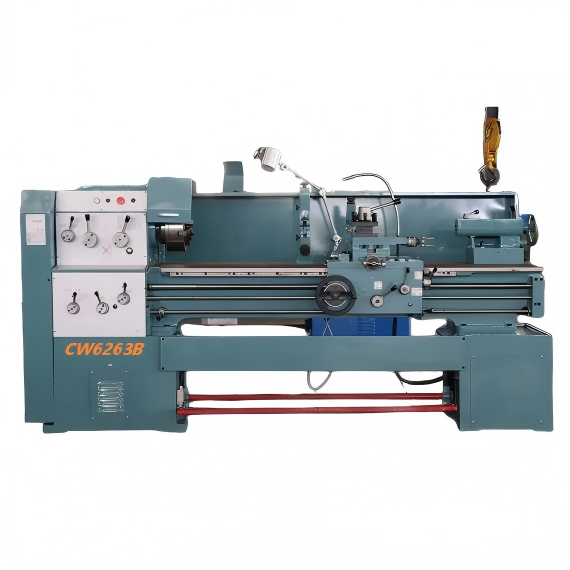
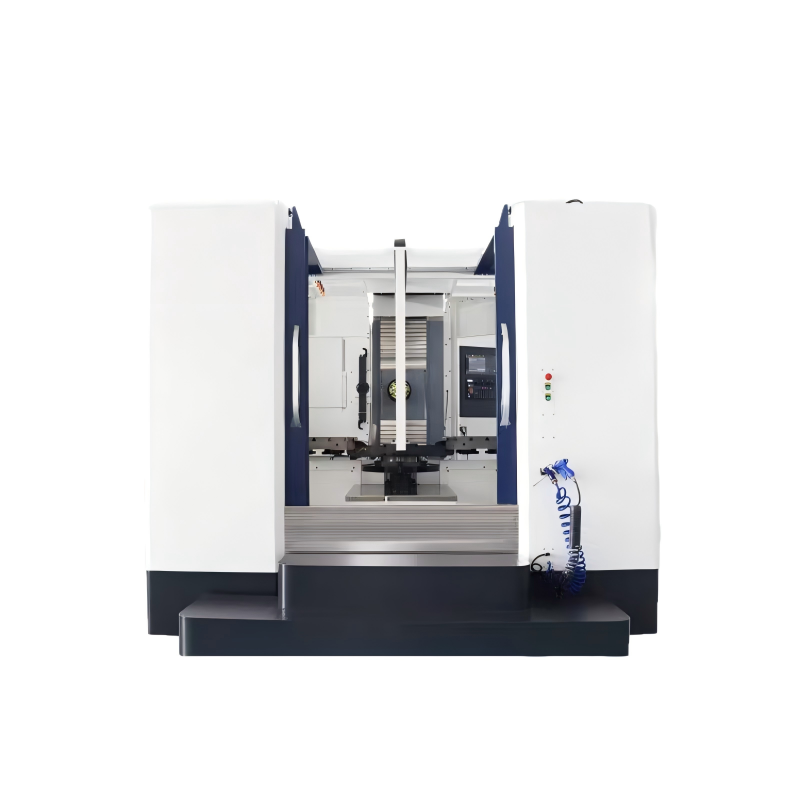
In today's rapidly evolving manufacturing landscape, the integration of advanced technologies into precision milling machine systems has become a critical factor for enhancing operational efficiency and product quality. This technical report explores how the latest innovations in precision milling machines are driving significant improvements across various industries. By leveraging cutting-edge features such as enhanced automation, real-time monitoring, and improved material handling, manufacturers can achieve higher levels of productivity, accuracy, and cost-effectiveness. The discussion will delve into the specific advancements that make these machines indispensable in modern production environments, providing insights on how businesses can maximize their potential through strategic adoption and implementation.
The incorporation of advanced automation technologies in precision milling machine systems allows for faster setup times and continuous operation, significantly boosting overall productivity. Automated tool changers, for instance, reduce downtime by enabling quick and seamless transitions between different machining operations. This not only accelerates the production process but also minimizes human error, leading to more consistent and reliable output.
With the ability to perform complex tasks with minimal human intervention, automated precision milling machines help lower labor costs. Operators can oversee multiple machines simultaneously, thereby increasing the workforce's efficiency. Additionally, the reduction in manual labor reduces the risk of workplace injuries, contributing to a safer working environment.
Automation in precision milling machines facilitates tighter control over the entire production process, ensuring that each component meets exact specifications. Real-time data collection and analysis enable immediate detection and correction of any deviations, resulting in higher quality products. This level of precision is particularly crucial in industries where even minor inconsistencies can have significant consequences, such as aerospace or medical device manufacturing.
One of the most significant benefits of integrating real-time monitoring capabilities into precision milling machine systems is the ability to predict and prevent equipment failures. Sensors and IoT (Internet of Things) devices continuously collect and analyze data on machine performance, identifying potential issues before they escalate into major problems. This proactive approach to maintenance not only extends the lifespan of the machinery but also ensures uninterrupted production cycles.
By harnessing the power of data analytics, manufacturers can gain valuable insights into their operations, enabling them to make informed decisions that optimize performance and efficiency. Analyzing historical and real-time data helps identify trends, bottlenecks, and areas for improvement. For example, understanding which tools wear out the fastest or which processes are the most time-consuming can lead to targeted interventions that enhance overall productivity.
Real-time monitoring and data analytics also play a crucial role in ensuring traceability and compliance with industry standards. Every step of the manufacturing process can be tracked and recorded, providing a comprehensive audit trail. This is especially important in regulated industries where maintaining detailed records is mandatory. Moreover, the ability to quickly access and share this information can streamline quality assurance processes and facilitate smoother audits.
Modern precision milling machine systems often feature integrated robotic arms and conveyors that automate the loading and unloading of workpieces. This eliminates the need for manual handling, reducing the risk of damage to parts and improving the speed and accuracy of the process. Automated material handling systems can also be programmed to sort and organize components, further streamlining the workflow.
Adaptable fixturing solutions are another key innovation in precision milling machine systems. These fixtures can be easily reconfigured to accommodate different part geometries, allowing for greater flexibility in production. This versatility is particularly beneficial for manufacturers who produce a wide range of products or frequently switch between different types of components. By minimizing the time and effort required to change setups, flexible fixturing contributes to more efficient and agile operations.
Advanced material handling systems in precision milling machines also focus on optimizing material usage and reducing waste. Sophisticated software algorithms can calculate the most efficient cutting paths and nesting patterns, ensuring that raw materials are used as efficiently as possible. This not only reduces costs but also minimizes environmental impact, aligning with sustainability goals. Additionally, the ability to recycle and reuse scrap materials further enhances the overall efficiency and eco-friendliness of the manufacturing process.
 04/06/2026
In the realm of manufacturing, precision is not just a preference but a necessity. A precision milling machine system stands at the heart of this requirement, offering solutions that are both accurate and efficient for a wide range of applications. This g
Read More04/06/2026In the realm of modern manufacturing, precision milling machines play a crucial role in producing high-accuracy components. The integration of advanced software into these systems has revolutionized how milling operations are conducted, enhancing not only
Read More04/06/2026In today's fast-paced manufacturing environment, the integration of a precision milling machine system can significantly enhance the efficiency and output quality of production lines. This technical report explores how such a system not only improves the
Read More04/06/2026In the rapidly evolving landscape of modern manufacturing, precision milling machine systems have emerged as a cornerstone technology, offering unparalleled accuracy and efficiency. This report delves into the advantages that precision milling brings to t
Read More04/06/2026In the realm of modern manufacturing, precision milling machine systems play a crucial role in producing high-accuracy components. The integration of advanced software into these systems has revolutionized the way parts are designed, manufactured, and ins
Read MoreOur professional sales team is always ready to assist you.