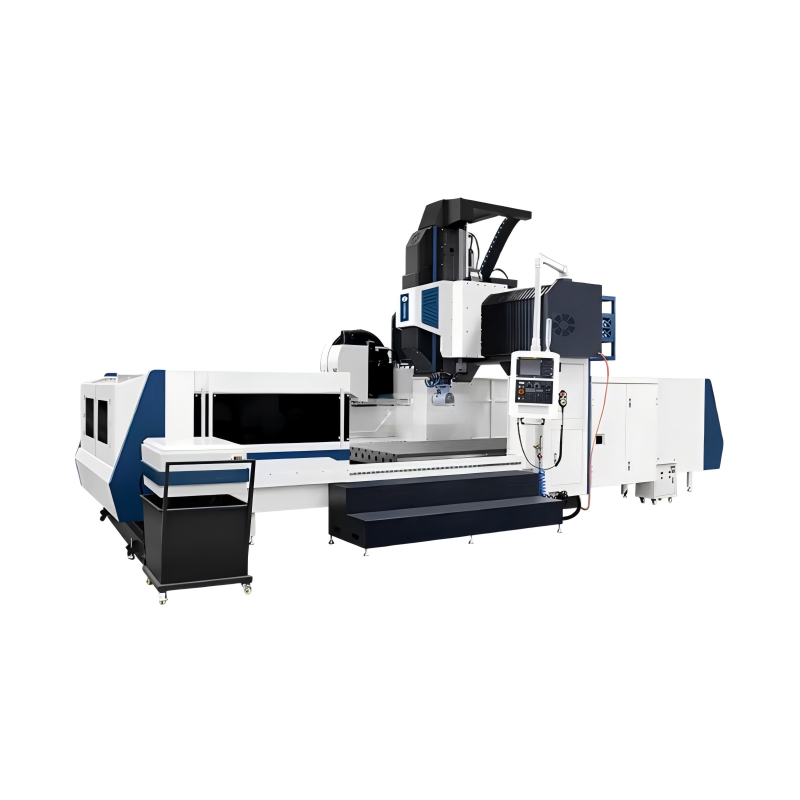
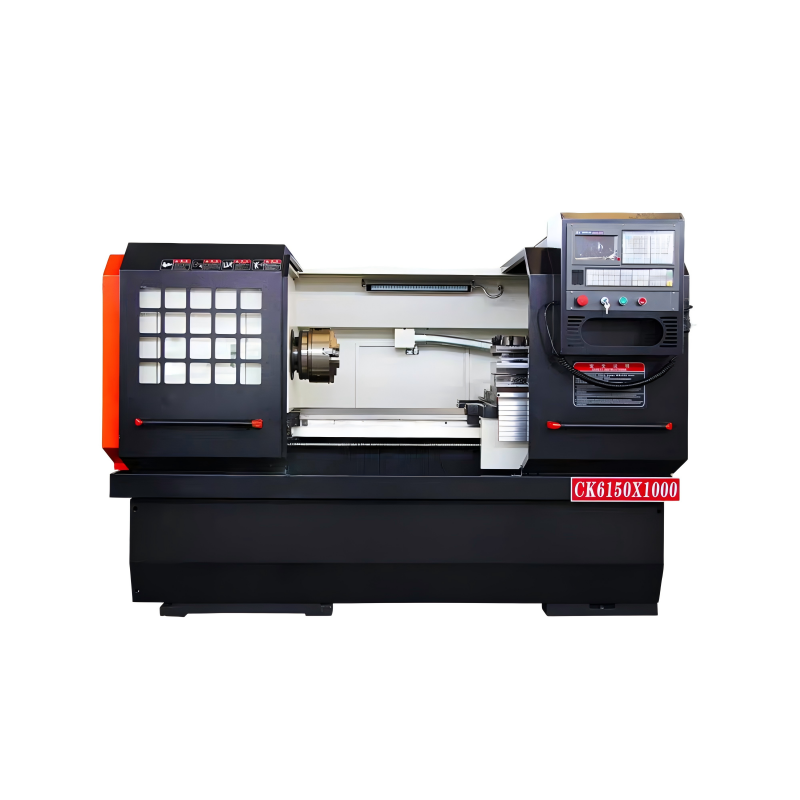
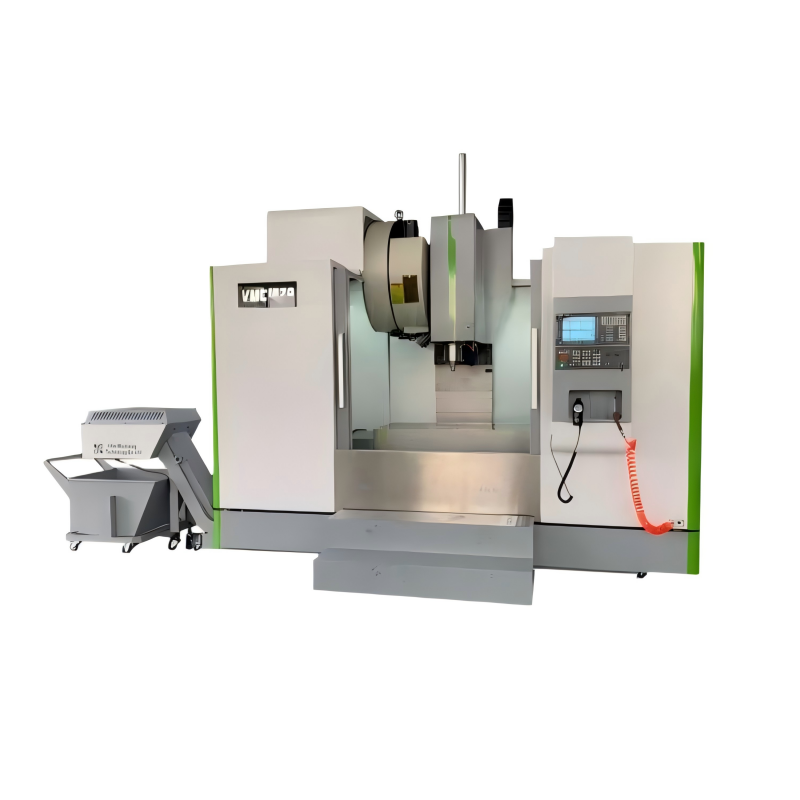
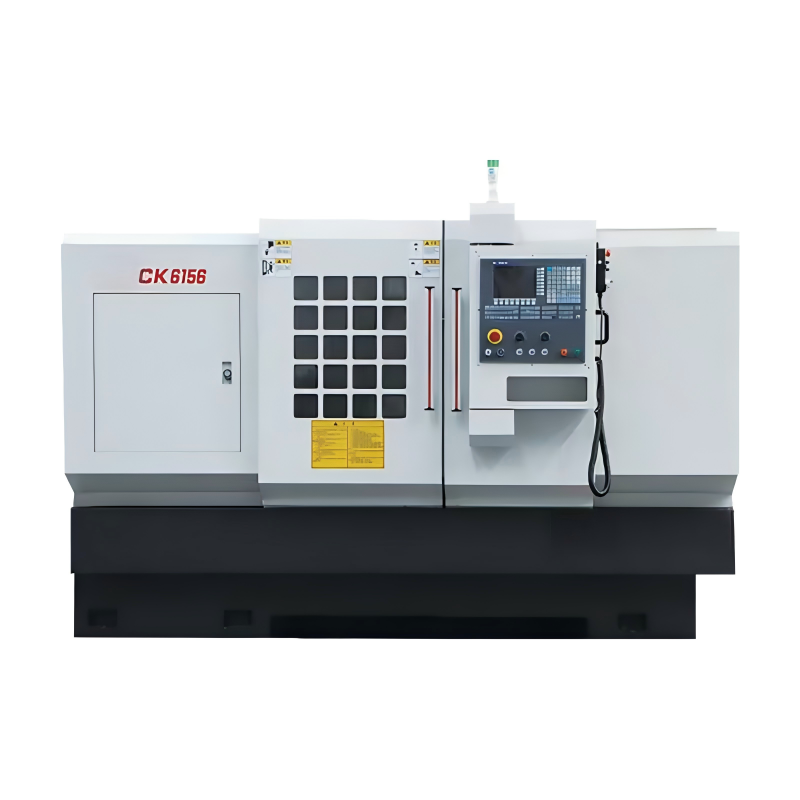
China, as a major player in the global manufacturing industry, has established itself as a leading exporter of CNC (Computer Numerical Control) lathes. However, navigating the international arena presents a unique set of challenges for China CNC Lathe exporters. This report aims to explore these challenges and provide insights into how they can be addressed.
One of the most significant challenges faced by China CNC lathe exporter is the impact of global economic fluctuations. The global economy is highly interconnected, and any downturn in one region can have ripple effects across the world. For instance, a recession in Europe or North America can lead to reduced demand for CNC lathes, which directly affects Chinese manufacturers. To mitigate this risk, it is crucial for exporters to diversify their markets and build strong relationships with customers in different regions. Additionally, maintaining a robust financial buffer and investing in research and development (R&D) can help companies stay competitive even during economic downturns.
The rapid pace of technological advancements poses another challenge for China CNC lathe exporter. In the highly competitive global market, staying ahead of the curve is essential. Customers are increasingly demanding more advanced and efficient machines, which require continuous innovation and investment in R&D. For example, the integration of artificial intelligence (AI) and machine learning (ML) into CNC lathes can significantly enhance their performance and efficiency. However, developing such technologies requires substantial financial and human resources. Therefore, it is imperative for Chinese manufacturers to collaborate with academic institutions and technology firms to leverage the latest advancements and maintain a competitive edge.
Trade barriers and tariffs are yet another hurdle that China CNC lathe exporter must overcome. The ongoing trade tensions between China and other major economies, particularly the United States, have led to increased tariffs on Chinese goods, including CNC lathes. These tariffs can make Chinese products less competitive in the international market, leading to reduced sales and profits. To address this issue, exporters need to explore alternative markets and consider setting up manufacturing facilities in countries with lower trade barriers. Additionally, engaging in diplomatic efforts and participating in trade negotiations can help reduce the impact of tariffs and create a more favorable trading environment.
Quality and compliance with international standards are critical factors for the success of China CNC lathe exporter. High-quality products not only meet customer expectations but also help build a strong reputation in the global market. However, ensuring quality and compliance can be challenging, especially when dealing with different regulatory frameworks across various countries. To achieve this, Chinese manufacturers should invest in quality control systems and obtain certifications from recognized international organizations. Furthermore, establishing a robust supply chain management system can help ensure that all components and materials used in the production process meet the required standards.
Environmental and sustainability concerns are becoming increasingly important in the global manufacturing industry. Consumers and businesses alike are placing greater emphasis on eco-friendly practices and sustainable products. For China CNC lathe exporter, this means adopting environmentally friendly manufacturing processes and reducing the carbon footprint of their operations. This can be achieved through the use of energy-efficient machinery, recycling of materials, and the implementation of waste reduction strategies. By addressing these concerns, Chinese manufacturers can not only meet the growing demand for sustainable products but also contribute to the global effort to combat climate change.
In conclusion, while China CNC lathe exporter faces several challenges in the international arena, there are effective strategies to navigate these obstacles. By diversifying markets, investing in R&D, exploring alternative manufacturing locations, ensuring quality and compliance, and adopting sustainable practices, Chinese manufacturers can continue to thrive in the global market and maintain their position as a leading exporter of CNC lathes.
 25/06/2026
In today's competitive global market, businesses are constantly seeking ways to optimize their manufacturing processes and reduce costs. One of the key areas where this optimization is critical is in the acquisition of high-quality, precision machinery. T
Read More25/06/2026In today's rapidly evolving manufacturing landscape, the demand for precision and efficiency has never been higher. As a leading china CNC lathe exporter, we are dedicated to providing high-performance machining solutions that meet and exceed these demand
Read More25/06/2026China, with its vast manufacturing capabilities and technological advancements, has become a leading exporter of CNC lathes. These machines are essential for various industries, including automotive, aerospace, and electronics, due to their precision and
Read More25/06/2026Overview of China CNC Lathe MarketThe Chinese market for Computer Numerical Control (CNC) lathes has grown significantly over the past few decades, making it a leading exporter in this field. A china CNC lathe exporter not only caters to domestic needs bu
Read More24/06/2026With the rapid development of manufacturing technologies, China has emerged as a global leader in providing high-quality CNC lathes. This report aims to provide an in-depth analysis of the quality and precision that can be expected from trusted China CNC
Read More24/06/2026China, as a global manufacturing powerhouse, has been at the forefront of advancing machining technologies. Among these, China CNC lathe exporters have played a significant role in shaping the future of precision engineering. This report delves into the c
Read More24/06/2026In the rapidly evolving landscape of manufacturing, China CNC lathe exporters have emerged as key players, significantly impacting global markets. This report delves into how these exporters are revolutionizing the industry, focusing on technological adva
Read More24/06/2026In the rapidly evolving landscape of manufacturing, China has emerged as a significant player, particularly in the realm of CNC (Computer Numerical Control) lathe production and export. The role of technology in shaping the competitive edge of China CNC l
Read More24/06/2026In today’s globalized manufacturing landscape, selecting the right china CNC lathe exporter is crucial for businesses aiming to enhance productivity and maintain a competitive edge. This report aims to guide manufacturers through the process of choosing t
Read More23/06/2026In the ever-evolving landscape of manufacturing, precision and efficiency are paramount. As a leading china CNC lathe exporter, our company has been at the forefront of delivering innovative solutions that meet the stringent demands of modern industry. Th
Read More23/06/2026In the ever-evolving landscape of manufacturing, China has emerged as a global powerhouse, particularly in the realm of CNC (Computer Numerical Control) lathes. The country's leading CNC lathe manufacturer, which is also a prominent china CNC lathe export
Read More23/06/2026In the ever-evolving landscape of global manufacturing, China CNC lathe exporter has emerged as a significant player, continuously expanding its reach across international markets. This report delves into the strategic moves and technological advancements
Read More23/06/2026In the global manufacturing landscape, China has emerged as a powerhouse, particularly in the realm of CNC (Computer Numerical Control) lathes. One company that stands out is a leading China CNC lathe exporter, which has garnered significant attention for
Read More23/06/2026China, a global leader in manufacturing and export, has established itself as a key player in the CNC lathe industry. The term "CNC" stands for Computer Numerical Control, which is a method used to control machine tools through software embedded in a micr
Read MoreOur professional sales team is always ready to assist you.