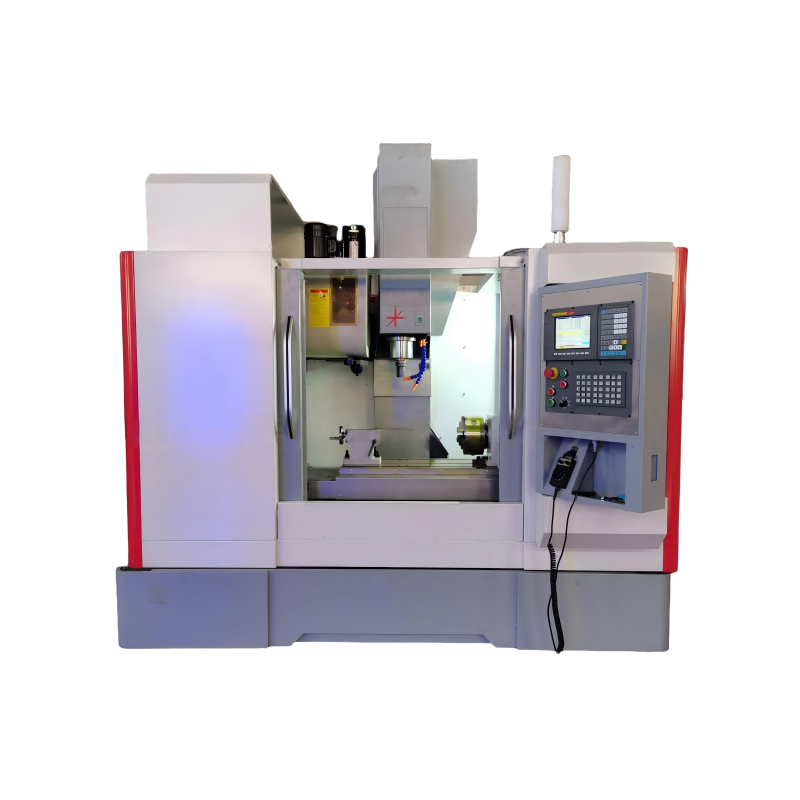
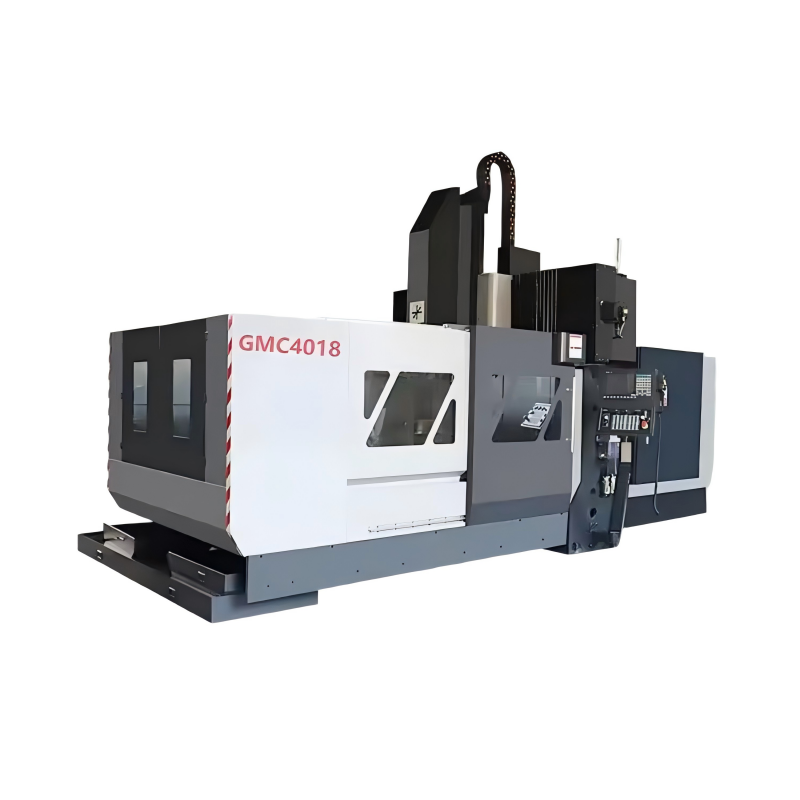
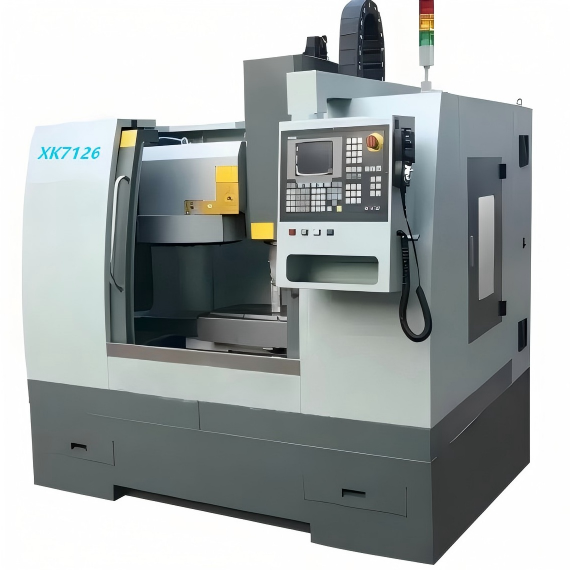
In the global manufacturing landscape, lathe machine exporters play a crucial role in supplying high-precision machinery to various industries. These machines are essential for shaping and machining metal, wood, and other materials, making them indispensable across sectors such as automotive, aerospace, and construction. However, the journey of a lathe machine exporter is fraught with numerous challenges that can significantly impact their operations and profitability. This report delves into the key obstacles faced by lathe machine exporters and proposes strategies to navigate these issues effectively.
The global market for lathe machines is highly competitive, with a wide range of manufacturers and suppliers vying for market share. Lathe machine exporters must stay abreast of market trends, customer preferences, and technological advancements to remain relevant. One of the primary challenges is the fluctuating demand from different regions. For instance, while the demand for lathe machines may be high in emerging economies, it can be relatively low in developed markets. Additionally, currency exchange rates and trade policies can significantly affect the cost and accessibility of lathe machines in different countries.
To address these challenges, lathe machine exporters should invest in market research and intelligence. By understanding the specific needs and preferences of different regions, exporters can tailor their products and marketing strategies to better meet the demands of their target markets. Furthermore, establishing strong relationships with local distributors and partners can help mitigate the risks associated with currency fluctuations and trade barriers.
Quality and compliance are critical factors in the success of lathe machine exporters. High-quality machines not only ensure customer satisfaction but also build a strong brand reputation. However, maintaining consistent quality standards can be challenging, especially when dealing with a global supply chain. Additionally, different countries have varying regulatory requirements, which can complicate the export process. Non-compliance with these regulations can result in fines, delays, and even the loss of market access.
To overcome these challenges, lathe machine exporters should implement robust quality control systems and adhere to international standards such as ISO 9001. Regular audits and inspections can help identify and rectify any quality issues before they become major problems. Moreover, exporters should stay informed about the regulatory requirements of their target markets and work closely with local authorities to ensure compliance. Training and educating employees on quality and compliance standards is also crucial for maintaining high standards throughout the production and export process.
An efficient supply chain and logistics system is vital for the success of lathe machine exporters. The process of manufacturing, assembling, and shipping lathe machines involves multiple stages and stakeholders, each of which can introduce potential bottlenecks and delays. Additionally, the global nature of the business means that exporters must navigate complex logistics networks, including transportation, customs clearance, and warehousing. Any disruptions in the supply chain can lead to increased costs, delayed deliveries, and dissatisfied customers.
To manage these challenges, lathe machine exporters should adopt advanced supply chain management (SCM) solutions. These solutions can provide real-time visibility into the entire supply chain, enabling exporters to identify and address potential issues proactively. Building strong relationships with reliable logistics partners and implementing contingency plans for unexpected disruptions can also help ensure smooth operations. Additionally, leveraging technology such as blockchain and IoT (Internet of Things) can enhance traceability and transparency, further improving the efficiency and reliability of the supply chain.
The rapid pace of technological advancements in the manufacturing industry presents both opportunities and challenges for lathe machine exporters. On one hand, incorporating new technologies such as CNC (Computer Numerical Control), automation, and Industry 4.0 can enhance the performance and capabilities of lathe machines, making them more attractive to customers. On the other hand, keeping up with these advancements requires significant investment in research and development (R&D), as well as continuous training and upskilling of the workforce.
To stay competitive, lathe machine exporters should prioritize innovation and R&D. Investing in cutting-edge technologies and collaborating with research institutions and universities can help drive product development and improve the overall quality of lathe machines. Additionally, providing ongoing training and development programs for employees can ensure that they are equipped with the necessary skills to operate and maintain advanced machinery. By embracing technological advancements, exporters can not only meet the evolving needs of their customers but also gain a competitive edge in the global market.
Navigating the challenges faced by lathe machine exporters requires a multifaceted approach that addresses market dynamics, quality and compliance, supply chain management, and technological innovation. By staying informed about market trends, adhering to international standards, building strong partnerships, and investing in R&D, exporters can overcome these challenges and achieve sustainable growth in the global market. The future of the lathe machine industry is bright, and those who can adapt and innovate will be well-positioned to thrive in this dynamic and competitive landscape.
 24/06/2026
In the realm of international trade, the exportation of lathe machines has become a significant economic activity. As global markets expand and technological advancements continue to evolve, the role of technology in enhancing lathe machine exporter capab
Read More23/06/2026The global market for lathe machines is a dynamic and ever-evolving space, driven by technological advancements and the increasing demand for precision manufacturing. As an Lathe Machine Exporter, understanding the intricacies of this market, its trends,
Read More23/06/2026In the world of manufacturing, the lathe machine stands as a cornerstone for precision and efficiency. For those who seek to expand their reach globally, becoming a leading lathe machine exporter is not just about selling machines; it's about ensuring tha
Read More23/06/2026In the realm of industrial manufacturing, selecting the right lathe machine is crucial for achieving high precision and efficiency. This technical report aims to guide manufacturers in choosing the most suitable lathe machine for their specific needs, wit
Read More23/06/2026The evolution of lathe technology has been a cornerstone in the advancement of metalworking, enabling more precise and efficient manufacturing processes. As a Lathe Machine Exporter, it is essential to stay at the forefront of these developments to meet t
Read More23/06/2026In today's global manufacturing landscape, the role of a Lathe Machine Exporter has become increasingly significant. As industries around the world strive to maintain competitiveness and efficiency, the demand for high-quality, reliable lathe machines con
Read More23/06/2026Understanding the Role of Advanced Lathe Machines in Modern ManufacturingIn today’s fast-paced industrial landscape, manufacturers are constantly seeking ways to improve efficiency and reduce costs. One of the key tools that have revolutionized the machin
Read MoreOur professional sales team is always ready to assist you.