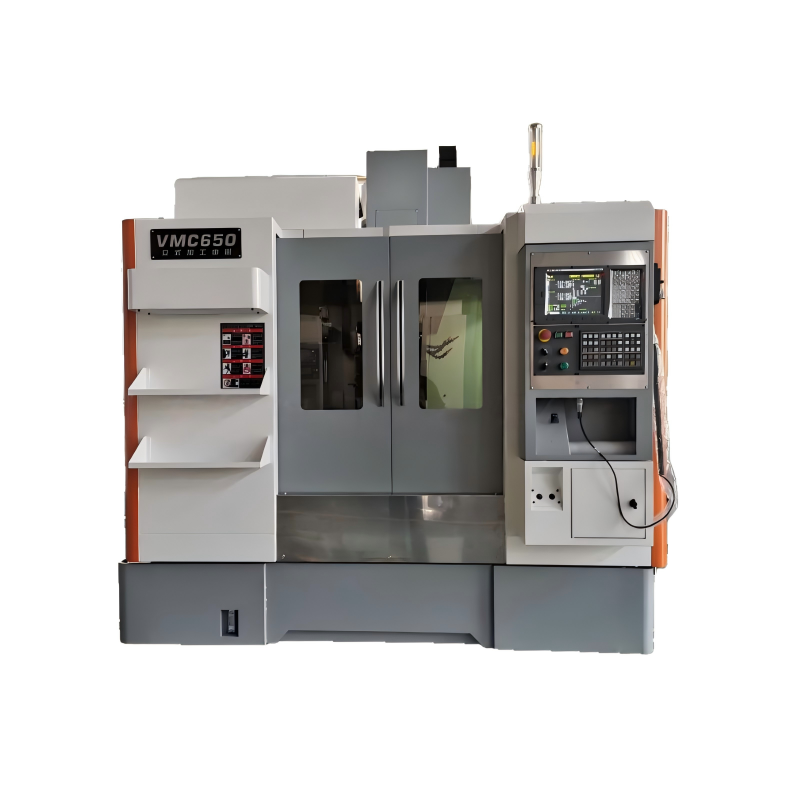
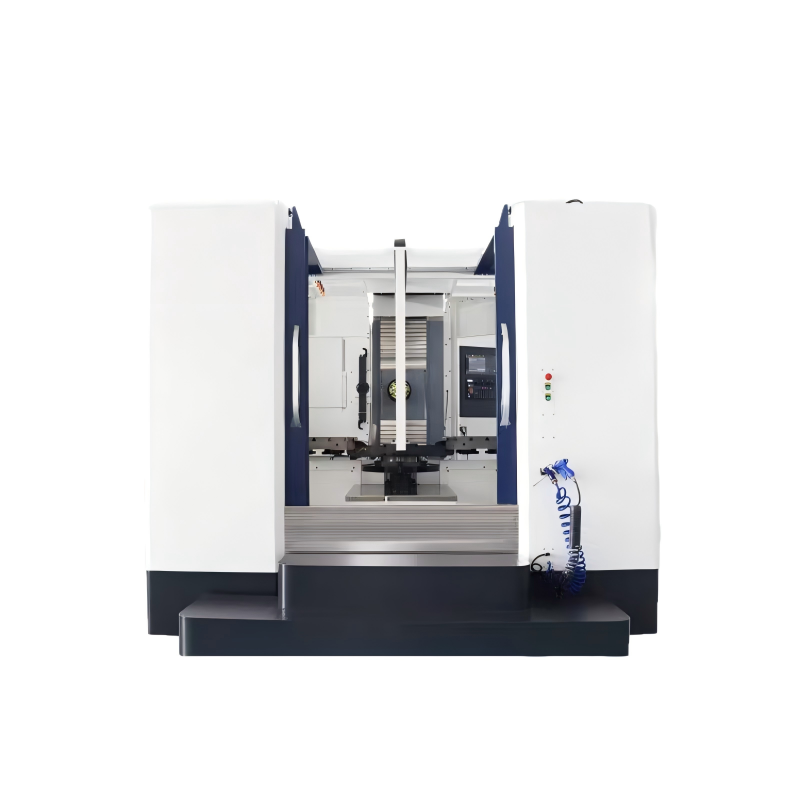
The manufacturing of large diameter pipe threads is a complex and demanding process that requires precision, reliability, and efficiency. With the advent of advanced technologies such as Computer Numerical Control (CNC) lathes, the industry has seen significant improvements in the quality and speed of production. This report delves into the intricacies of using CNC Lathes for large diameter pipe thread manufacturing, highlighting key considerations, best practices, and innovative solutions.
Large diameter pipe threads are critical components in various industrial applications, including oil and gas, water supply, and chemical processing. The primary challenge in their manufacturing lies in achieving consistent thread profiles, tight tolerances, and high surface finish quality. Traditional methods often fall short in meeting these requirements, leading to increased scrap rates and higher costs. CNC lathes offer a more reliable and efficient solution by providing precise control over the cutting process.
One of the key advantages of using a CNC lathe for large diameter pipe thread manufacturing is its ability to maintain consistent accuracy. CNC lathes use digital inputs to guide the cutting tool, ensuring that each thread is machined to exact specifications. This level of precision is crucial in applications where even minor deviations can lead to leaks or structural failures. Additionally, CNC lathes can handle a wide range of materials, from standard carbon steel to more exotic alloys, making them versatile tools for diverse industrial needs.
To achieve optimal results with a Large diameter pipe thread CNC lathe, it is essential to carefully configure the machine settings. Key parameters include feed rate, spindle speed, and depth of cut. These settings must be adjusted based on the material properties, desired thread pitch, and required surface finish. For example, harder materials may require lower feed rates and higher spindle speeds to prevent tool wear and ensure a smooth finish.
Another important consideration is the selection of the appropriate cutting tool. High-performance carbide inserts and specialized thread milling cutters are commonly used for large diameter pipe threads. These tools are designed to withstand the high forces and temperatures generated during the cutting process, ensuring longer tool life and consistent performance. Proper tool maintenance and timely replacement are also critical to maintaining the quality of the threads produced.
Advanced CNC lathes come equipped with features such as automatic tool changers and in-process measurement systems, which further enhance the efficiency and accuracy of the threading process. These features allow for continuous operation and real-time monitoring, reducing downtime and improving overall productivity. By leveraging these capabilities, manufacturers can achieve higher throughput and better quality control, ultimately leading to cost savings and improved customer satisfaction.
As the demand for large diameter pipe threads continues to grow, manufacturers are constantly seeking ways to improve their processes. One innovative approach is the integration of simulation software and virtual machining. These tools allow engineers to model the entire threading process, predict potential issues, and optimize the CNC program before actual production begins. This not only reduces the risk of errors but also accelerates the development cycle, enabling faster time-to-market.
Another trend in the industry is the adoption of Industry 4.0 technologies, such as Internet of Things (IoT) sensors and data analytics. IoT sensors can be used to monitor the condition of the CNC lathe and the cutting tools in real-time, providing valuable insights into machine performance and predictive maintenance. Data analytics can help identify patterns and trends, allowing for proactive adjustments to the manufacturing process. This data-driven approach leads to more informed decision-making and continuous improvement.
Finally, the use of modular and flexible CNC lathe configurations is gaining popularity. Modular systems allow for easy reconfiguration and adaptation to different thread sizes and types, making the CNC lathe a versatile and future-proof investment. Flexibility in the machine setup enables manufacturers to respond quickly to changing market demands and new product requirements, ensuring long-term competitiveness.
In conclusion, the use of large diameter pipe thread CNC lathes offers significant benefits in terms of precision, efficiency, and versatility. By understanding the challenges, optimizing machine settings, and embracing innovative solutions, manufacturers can overcome the complexities of large diameter pipe thread manufacturing and achieve superior results. As technology continues to advance, the role of CNC lathes in this field will only become more prominent, driving the industry towards new heights of excellence.
 16/06/2026
With the increasing demand for high-precision machining in various industries, the need for advanced CNC (Computer Numerical Control) lathes that can handle large diameter pipe threading has become more pronounced. This report delves into how state-of-the
Read More16/06/2026In today’s industrial landscape, the demand for efficient and precise machining processes has never been higher. One of the critical areas where this demand is particularly evident is in the production of large diameter pipe threads. The advent of Large d
Read More16/06/2026The advancement in manufacturing technology has significantly transformed the way large diameter pipe threads are produced, with Computer Numerical Control (CNC) lathes playing a pivotal role. This report delves into the critical aspect of precision in th
Read More16/06/2026The advent of large diameter pipe thread CNC lathe technology has revolutionized the way industries approach pipe machining. This report delves into how advanced CNC lathes have become indispensable for large diameter pipe machining, offering unparalleled
Read MoreOur professional sales team is always ready to assist you.