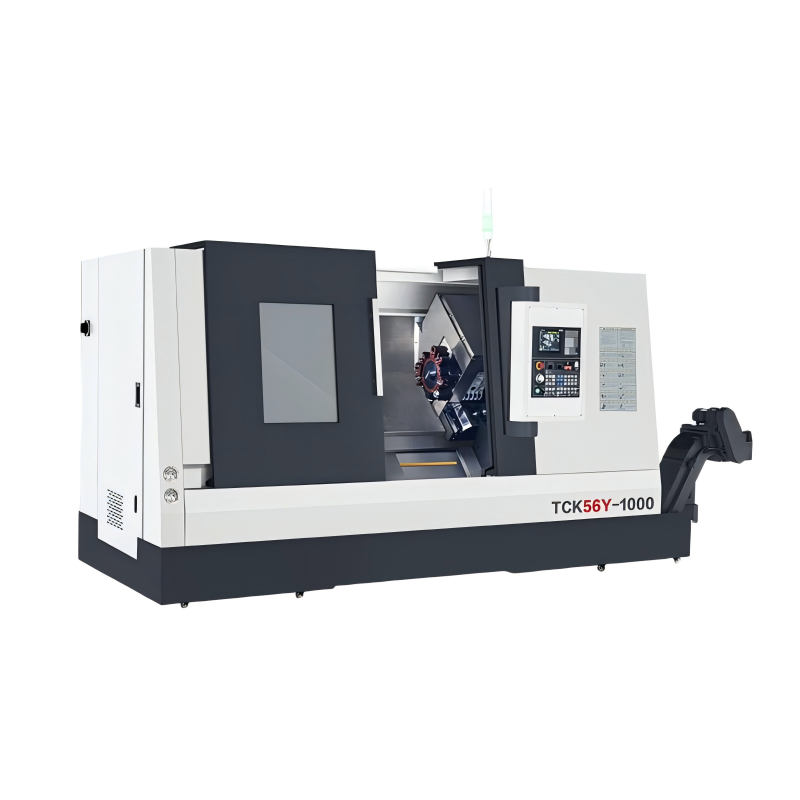
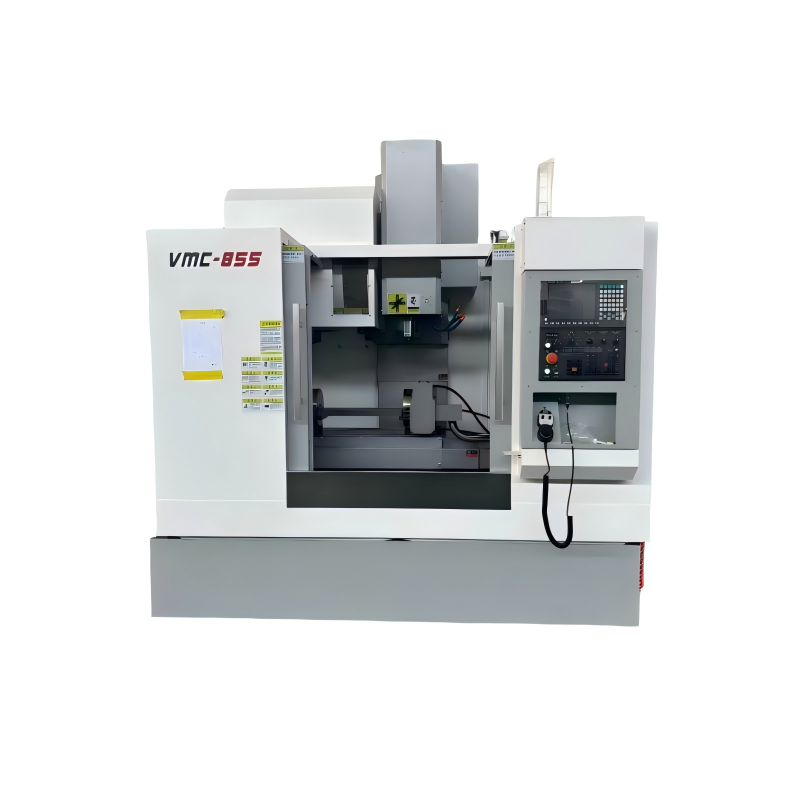
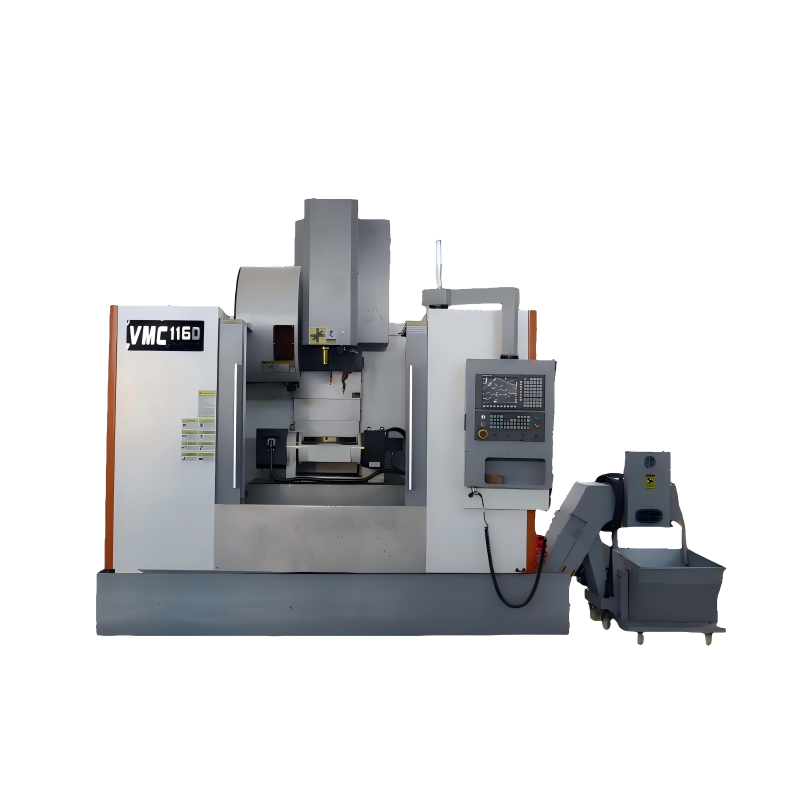
In the realm of precision manufacturing, achieving ISO 9001 certification is a hallmark of excellence. For a CNC lathe manufacturer, this journey is not only about meeting international standards but also about continuously improving processes to deliver superior products and services. This report delves into the key aspects that a CNC Lathe maker must consider when navigating the path towards ISO 9001 certification.
ISO 9001 is a globally recognized standard that sets out the criteria for a quality management system (QMS). It can be used by any organization, large or small, regardless of its field of activity. In the context of a CNC lathe manufacturer, adhering to ISO 9001 principles ensures that the company has robust systems in place to consistently meet customer and regulatory requirements. This leads to increased customer satisfaction, improved efficiency, and ultimately, a competitive edge in the market. The ISO 9001 CNC Lathe Manufacturer must demonstrate its commitment to quality through documented procedures, regular audits, and continuous improvement initiatives.
The foundation of ISO 9001 certification lies in the implementation of a QMS. A well-structured QMS helps a CNC lathe manufacturer to define, document, and control all processes related to product design, development, production, and delivery. Key components of a QMS include:
By implementing these components, a CNC lathe manufacturer can establish a systematic approach to managing quality, which is essential for ISO 9001 certification.
The journey to ISO 9001 certification is not without its challenges. Some common obstacles faced by CNC lathe manufacturers include:
Addressing these challenges proactively can significantly increase the chances of a successful ISO 9001 certification for a CNC lathe manufacturer.
Achieving ISO 9001 certification offers numerous benefits to a CNC lathe manufacturer. These include:
These benefits highlight the long-term value of investing in ISO 9001 certification for a CNC lathe manufacturer.
Obtaining ISO 9001 certification is just the beginning. A CNC lathe manufacturer must continually monitor and improve its QMS to maintain certification and realize the full benefits of the standard. Regular reviews, ongoing training, and a culture of continuous improvement are essential to sustaining ISO 9001 certification. By doing so, the company can ensure that it remains at the forefront of quality and innovation in the CNC lathe manufacturing industry.
 01/07/2026
Understanding the Importance of ISO 9001 in CNC Lathe ManufacturingThe quest for high-quality manufacturing solutions often leads businesses to consider ISO 9001 certified manufacturers. For those specifically looking into CNC lathe manufacturers, underst
Read More01/07/2026ISO 9001 is a globally recognized standard for quality management systems (QMS), and its application in the manufacturing sector, particularly within CNC lathe manufacturers, has been instrumental in achieving superior production standards. This report de
Read More01/07/2026For a CNC lathe manufacturer, achieving ISO 9001 certification is a significant milestone that not only enhances the company's reputation but also improves operational efficiency and customer satisfaction. This document outlines key considerations for a C
Read More30/06/2026ISO 9001, an internationally recognized standard for quality management systems (QMS), plays a pivotal role in the manufacturing sector, especially for CNC lathe manufacturers. By adhering to this standard, companies can ensure that their products meet hi
Read More30/06/2026ISO 9001 certification is a globally recognized standard that signifies an organization's commitment to quality management. For a CNC lathe manufacturer, achieving ISO 9001 certification can bring numerous benefits, including improved operational efficien
Read More30/06/2026In the rapidly evolving landscape of manufacturing, precision and quality are not just desired but required. For manufacturers specializing in Computer Numerical Control (CNC) lathes, adhering to international standards such as ISO 9001 is crucial for ens
Read More30/06/2026In the dynamic and ever-evolving world of manufacturing, CNC lathe manufacturers are increasingly recognizing the importance of adhering to international quality standards. One such standard is ISO 9001, which has become a hallmark of excellence in the in
Read MoreOur professional sales team is always ready to assist you.