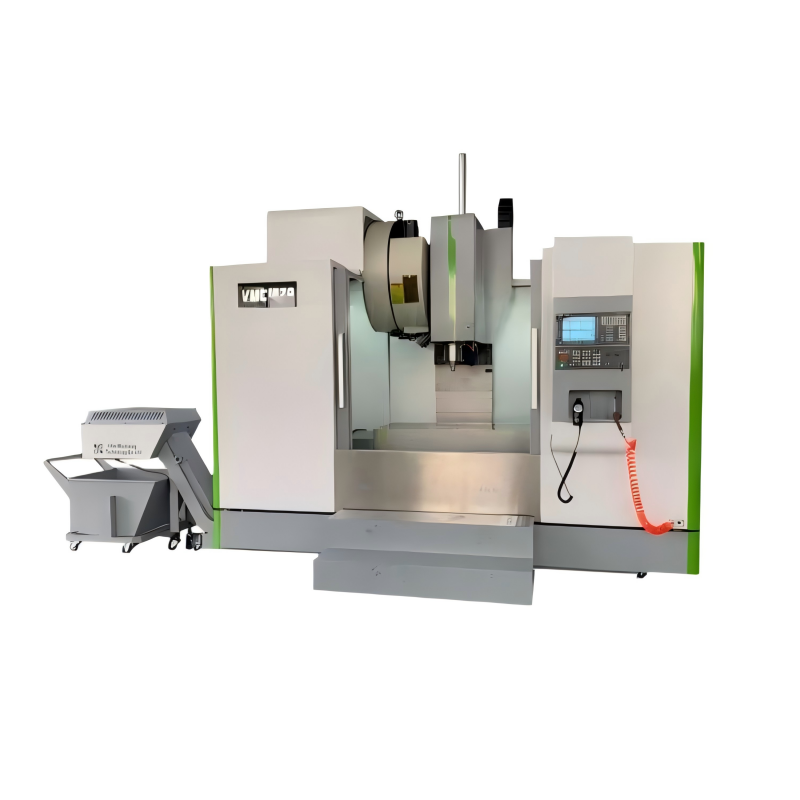
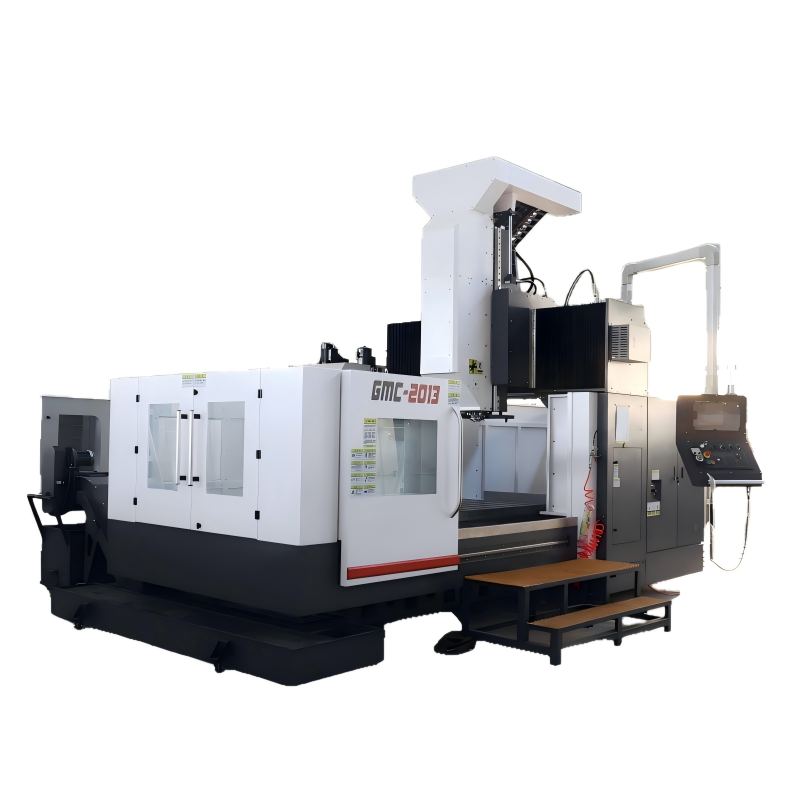
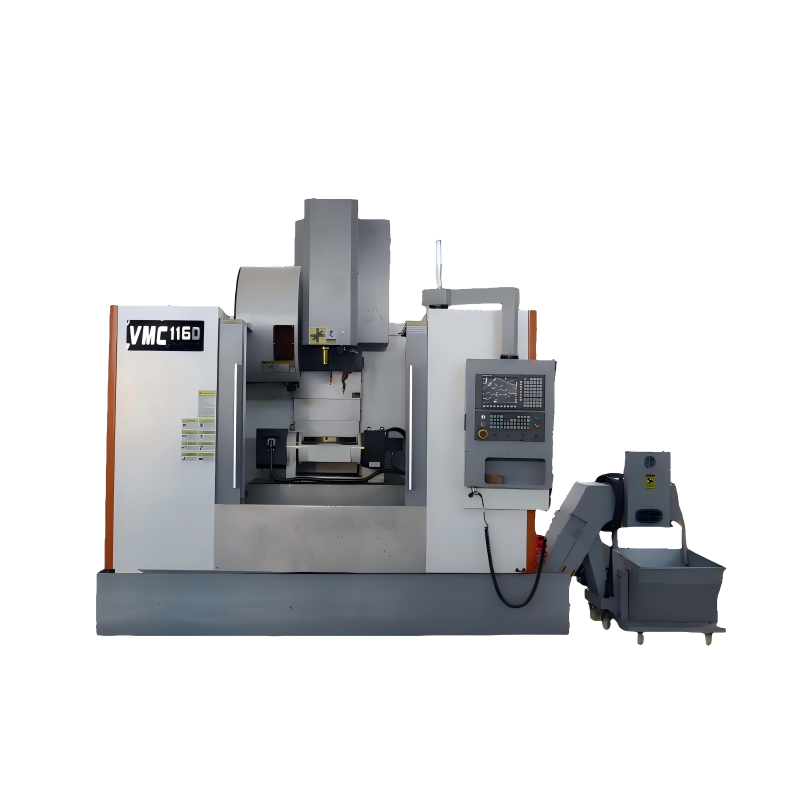
As the global market continues to expand, the demand for high-precision machinery, such as CNC lathes, has grown significantly. China, being one of the world's largest manufacturers and exporters of industrial equipment, plays a crucial role in this sector. This report aims to provide a comprehensive guide on navigating the process of exporting CNC Lathes from China, covering key aspects such as market analysis, regulatory compliance, and logistical considerations.
The first step in exporting CNC lathes from China is to conduct a thorough market analysis. Understanding the global demand for CNC lathes, particularly in regions like Europe, North America, and Southeast Asia, is essential. Key factors to consider include the current market size, growth projections, and the specific needs of potential buyers. For instance, the machinery export industry in China has seen a steady increase in the demand for CNC lathes, driven by their versatility and precision in manufacturing processes. By identifying these trends, exporters can better tailor their offerings to meet the requirements of different markets.
Exporting CNC lathes from China involves navigating a complex set of regulations and documentation requirements. It is crucial to ensure that all products comply with international standards and the specific regulations of the destination country. This includes obtaining necessary certifications, such as CE for European Union countries or UL for the United States. Additionally, exporters must prepare a comprehensive set of documents, including commercial invoices, packing lists, and certificates of origin. Ensuring that all documentation is accurate and complete is vital to avoid delays and potential legal issues. The Chinese government also provides various resources and support to help exporters navigate these requirements, making it easier to comply with international standards.
Effective logistics and supply chain management are critical for the successful export of CNC lathes. This involves selecting reliable shipping partners, determining the most cost-effective and efficient transportation methods, and ensuring that the machinery arrives at its destination in optimal condition. Factors to consider include the size and weight of the CNC lathe, the distance to the destination, and any special handling requirements. Additionally, exporters should have contingency plans in place to address potential disruptions, such as natural disasters or political instability. By carefully managing the supply chain, exporters can minimize risks and ensure timely delivery, thereby enhancing customer satisfaction and building a strong reputation in the global market.
Maintaining high-quality standards is essential for the success of any export operation. Exporters of CNC lathes from China must implement rigorous quality control measures throughout the production process to ensure that each machine meets the required specifications. This includes regular inspections, testing, and certification. Furthermore, providing robust after-sales support is crucial for building long-term relationships with customers. This can include offering technical assistance, spare parts, and maintenance services. By prioritizing quality and after-sales support, exporters can differentiate themselves in a competitive market and foster customer loyalty.
Forming strategic partnerships with local distributors and agents in target markets can be a highly effective way to expand the reach of CNC lathe exports. These partnerships can provide valuable insights into local market conditions, regulatory requirements, and customer preferences. Additionally, participating in international trade shows and exhibitions can help exporters build brand awareness and connect with potential buyers. By leveraging these opportunities, exporters can not only increase their market share but also stay ahead of the competition. Strategic partnerships and market expansion efforts are key to sustaining long-term growth and success in the global machinery export industry.
In conclusion, exporting CNC lathes from China requires a well-thought-out strategy that encompasses market analysis, regulatory compliance, logistical planning, quality control, and strategic partnerships. By addressing these key areas, exporters can successfully navigate the complexities of the international market and achieve sustainable growth. The machinery export industry in China continues to evolve, and staying informed and adaptable is essential for long-term success.
 20/06/2026
In today's rapidly evolving manufacturing landscape, the demand for high-precision and efficient machinery is at an all-time high. One of the most sought-after pieces of equipment in this sector is the CNC (Computer Numerical Control) lathe. This article
Read More19/06/2026With the rapid development of manufacturing technology, machinery export from China, particularly in the field of CNC lathes, has become increasingly significant. These advanced machines are designed to meet the diverse and complex needs of modern industr
Read More19/06/2026Over the past few decades, China has emerged as a significant player in the global machinery export market, particularly in the production and distribution of CNC (Computer Numerical Control) lathes. The rise of Chinese CNC lathes has not only reshaped th
Read More19/06/2026Investing in a CNC lathe from China has become an increasingly popular choice for businesses around the world. The combination of advanced technology, competitive pricing, and high-quality manufacturing processes makes Chinese CNC lathes a compelling opti
Read More18/06/2026China has emerged as a global leader in the production and export of machinery, particularly in the field of CNC (Computer Numerical Control) lathes. These machines are essential for various industries, including automotive, aerospace, and manufacturing,
Read More18/06/2026As the global manufacturing industry continues to evolve, the demand for high-precision and cost-effective machinery is on the rise. One of the key players in this domain is China, which has become a leading exporter of CNC (Computer Numerical Control) la
Read More17/06/2026In recent years, the export of machinery, particularly CNC lathe from China, has seen a significant increase, transforming the global manufacturing landscape. This report delves into the impact of Chinese CNC lathes on the international market and how the
Read More17/06/2026IntroductionThe global market for machinery, particularly CNC lathes, has seen a significant surge in demand. As manufacturing processes become more sophisticated and the need for precision engineering grows, businesses are increasingly looking to China a
Read More17/06/2026The global machinery market has been experiencing a transformative phase, driven by advancements in technology and an increasing demand for precision. Among the key players in this evolution is China, which has emerged as a leading exporter of high-qualit
Read More16/06/2026When it comes to machinery export, particularly CNC lathe from China, the global market has seen a significant shift in recent years. Chinese manufacturers have become increasingly competitive, offering high-quality products at more affordable prices. Thi
Read More16/06/2026The manufacturing industry is undergoing a significant transformation, with advanced technologies such as CNC (Computer Numerical Control) lathes playing a crucial role in this evolution. China, as one of the world's leading manufacturers, has been at the
Read More16/06/2026When it comes to machinery export, especially the CNC lathe from China, making an informed decision is crucial. The Chinese market offers a wide array of options, each with its own set of features and capabilities. This article aims to guide you through t
Read More16/06/2026The global machinery market has seen significant transformations over the past few decades, with China emerging as a major player in the export of high-precision manufacturing equipment. One notable category within this sector is the CNC lathe, a machine
Read More16/06/2026Understanding the Advantages of CNC Lathes from ChinaThe global machinery export market has seen a significant increase in demand for CNC lathe machines, particularly those originating from China. Chinese manufacturers have been at the forefront of innova
Read More16/06/2026China has emerged as a leading player in the global machinery market, particularly with its CNC lathes. These advanced machines have gained significant traction due to their precision, efficiency, and cost-effectiveness. This report explores the advantage
Read More16/06/2026In today’s global manufacturing landscape, the importance of machinery export, especially CNC lathes from China, cannot be overstated. As industries around the world seek to enhance their production capabilities and efficiency, importing high-quality CNC
Read MoreOur professional sales team is always ready to assist you.