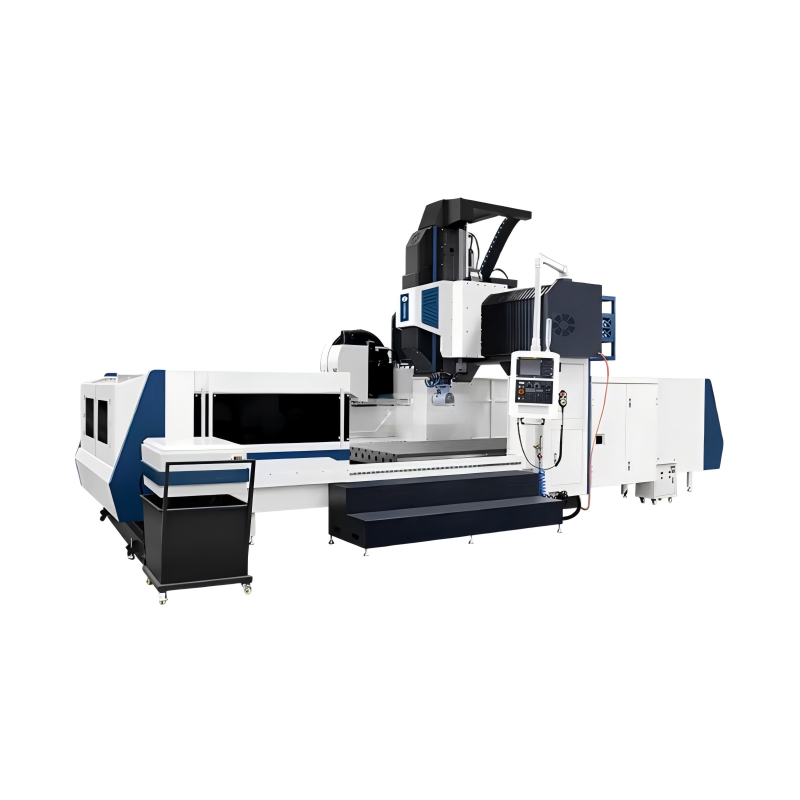
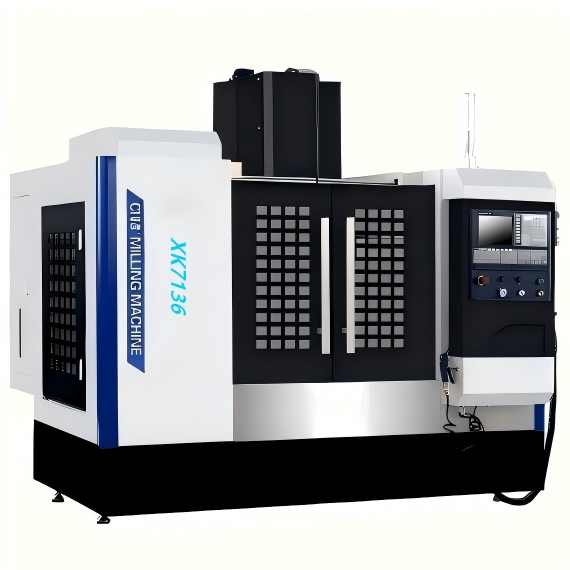
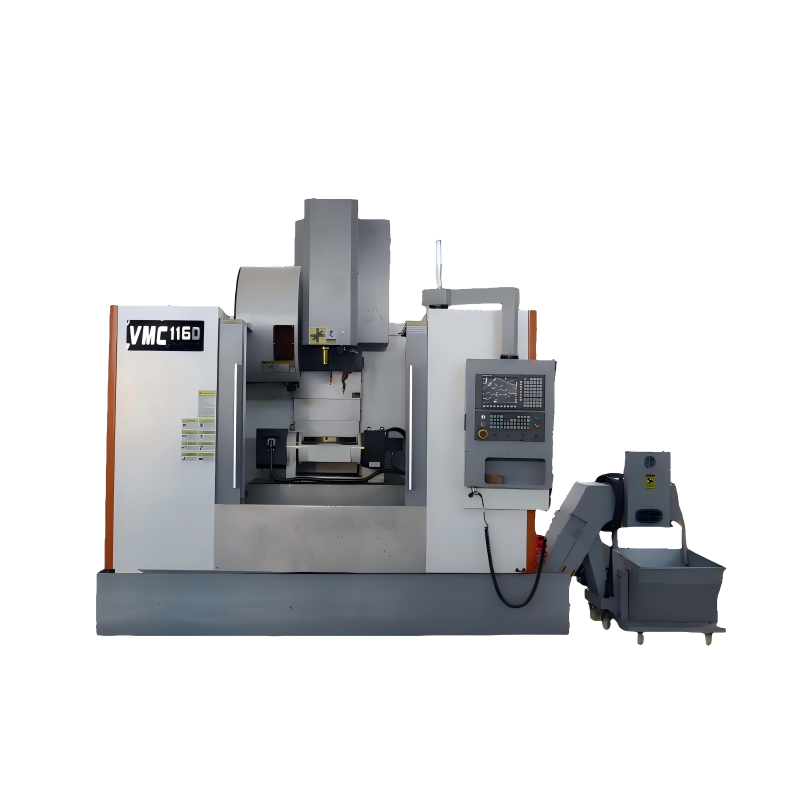
China, a global leader in manufacturing, has seen a significant rise in the demand for precision engineering, particularly in the production of long shafts. This demand is driven by various industries, including automotive, aerospace, and energy, which require components with high accuracy and durability. In this context, the role of a long shaft CNC lathe manufacturer in China becomes crucial. This report will explore the key aspects of precision engineering for long shafts in China, focusing on the technological advancements, quality control, and market trends.
The evolution of Computer Numerical Control (CNC) technology has revolutionized the manufacturing industry, especially in the production of long shafts. Modern CNC Lathes are equipped with advanced features that enable high-precision machining, even for complex geometries. These machines use sophisticated software to control the cutting tools, ensuring consistent and accurate results. The integration of multi-axis capabilities allows for the simultaneous machining of multiple surfaces, reducing the need for repositioning and improving overall efficiency.
One of the key advantages of using CNC lathes for long shaft manufacturing is the ability to achieve tight tolerances. This is particularly important for applications where the slightest deviation can affect the performance of the final product. For example, in the aerospace industry, where safety and reliability are paramount, the precision of long shafts is critical. CNC lathes can consistently produce parts with tolerances as low as 0.001 inches, meeting the stringent requirements of these industries.
Ensuring the quality of long shafts is a top priority for manufacturers. A robust quality control system is essential to detect and correct any defects or deviations from the specified dimensions. One of the primary methods used for quality inspection is Coordinate Measuring Machines (CMM). CMMs provide highly accurate measurements of the dimensions and geometric features of the shafts, allowing for precise verification against the design specifications.
Additionally, non-destructive testing (NDT) techniques such as ultrasonic testing and magnetic particle inspection are employed to detect internal and surface defects. These methods ensure that the long shafts meet the required standards for strength, durability, and integrity. The implementation of these rigorous quality control measures helps to build trust with customers and ensures that the products meet the highest standards of excellence.
The global market for long shafts is expected to grow significantly in the coming years, driven by the increasing demand from various industries. In China, the government's focus on developing high-tech manufacturing and the "Made in China 2025" initiative has created a favorable environment for the growth of the precision engineering sector. This initiative aims to transform China into a leading global manufacturing power, with a strong emphasis on innovation and quality.
As the demand for long shafts continues to rise, there is a growing need for more advanced and efficient manufacturing solutions. This has led to increased investment in research and development, aimed at improving the capabilities of CNC lathes and other manufacturing technologies. The adoption of Industry 4.0 principles, such as the integration of IoT, AI, and data analytics, is also expected to play a significant role in enhancing the productivity and flexibility of long shaft manufacturing processes.
In conclusion, the precision engineering for long shafts in China is a dynamic and rapidly evolving field. With the continuous advancements in CNC technology, robust quality control systems, and favorable market conditions, the future looks promising for long shaft CNC lathe manufacturers in China. By staying at the forefront of technological innovation and maintaining a commitment to quality, these manufacturers are well-positioned to meet the growing demands of the global market.
 16/06/2026
Introduction to Long Shaft CNC Lathe Manufacturing in ChinaThe manufacturing sector in China, particularly in the realm of long shaft CNC lathes, has seen significant advancements. These machines are crucial for producing high-precision components used in
Read More16/06/2026China, a global manufacturing powerhouse, is home to a plethora of innovative solutions for the production of long shafts, an essential component in many industrial applications. Among these, long shaft CNC lathe manufacturers stand out for their ability
Read More16/06/2026Overview of Long Shaft CNC Lathe TechnologyThe long shaft CNC lathe, a crucial piece in the manufacturing arsenal, especially for industries requiring precision and efficiency in producing elongated components, represents a significant leap forward in mac
Read More16/06/2026Understanding the Importance of Long Shaft CNC Lathes in Modern ManufacturingThe role of long shaft CNC lathes is increasingly becoming more significant in today's manufacturing industry, especially for businesses that deal with large-scale or precision c
Read More16/06/2026As the global manufacturing industry continues to evolve, the demand for high-precision and efficient machining solutions has never been greater. Among the various types of CNC (Computer Numerical Control) machines, long shaft CNC lathes have become incre
Read More16/06/2026In the realm of precision manufacturing, long shaft CNC lathes play a pivotal role in producing high-accuracy components for various industries. A leading manufacturer in China is at the forefront of this technological revolution, continuously pushing the
Read More16/06/2026Introduction to Long Shaft CNC Lathe Manufacturing in China In the rapidly evolving landscape of manufacturing, precision and efficiency have become paramount. One of the key players in this domain is the long shaft CNC lathe manufacturer in China. These
Read More15/06/2026In the realm of precision manufacturing, finding a reliable long shaft CNC lathe manufacturer in China is crucial for businesses aiming to produce high-quality components. This report aims to guide readers through discovering the leading long shaft CNC la
Read More15/06/2026China, a leading global manufacturing hub, has been at the forefront of technological advancements in various industries, including the production and machining of long shafts. This report delves into the expertise of long shaft CNC lathe manufacturers in
Read More15/06/2026China, with its robust manufacturing sector, has emerged as a global leader in the production of high-precision machinery. Among these, the long shaft CNC lathe stands out as a critical tool for industries requiring precision and efficiency. This technica
Read More15/06/2026Understanding the Long Shaft CNC Lathe Manufacturing Process in ChinaThe long shaft CNC lathe is a specialized machine tool designed for turning, facing, and threading operations on long workpieces. This article delves into the intricacies of being a long
Read More15/06/2026When it comes to precision machining, the choice of a long shaft CNC lathe manufacturer in China can significantly impact the quality and efficiency of your production process. In this report, we will explore the key factors that make a long shaft CNC lat
Read More15/06/2026As global manufacturing continues to evolve, the demand for precision machining solutions has never been higher. Among these, long shaft CNC lathes play a crucial role in industries ranging from automotive to aerospace. In this report, we will explore the
Read MoreOur professional sales team is always ready to assist you.