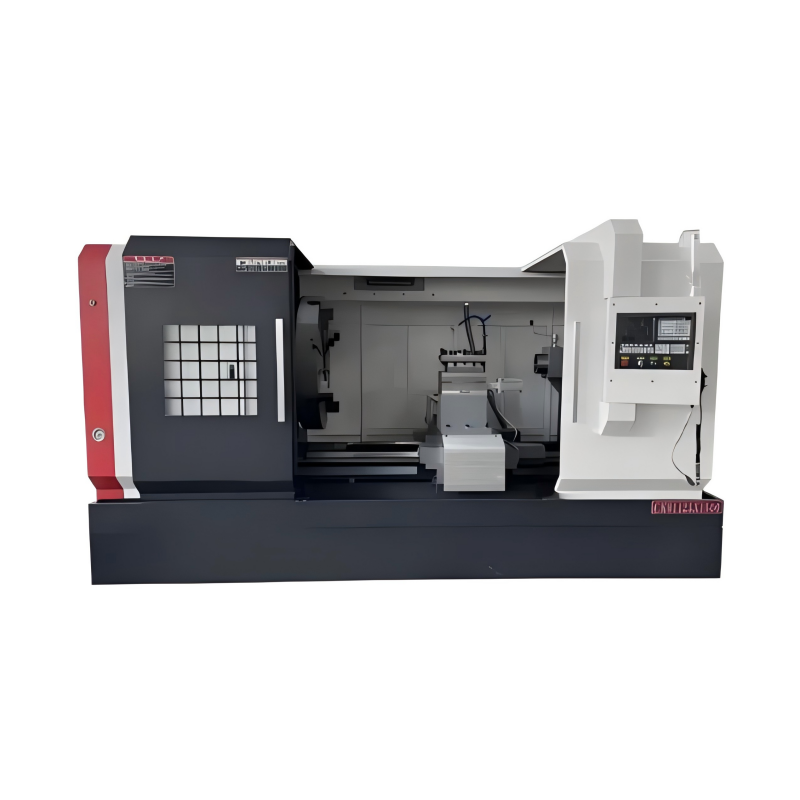
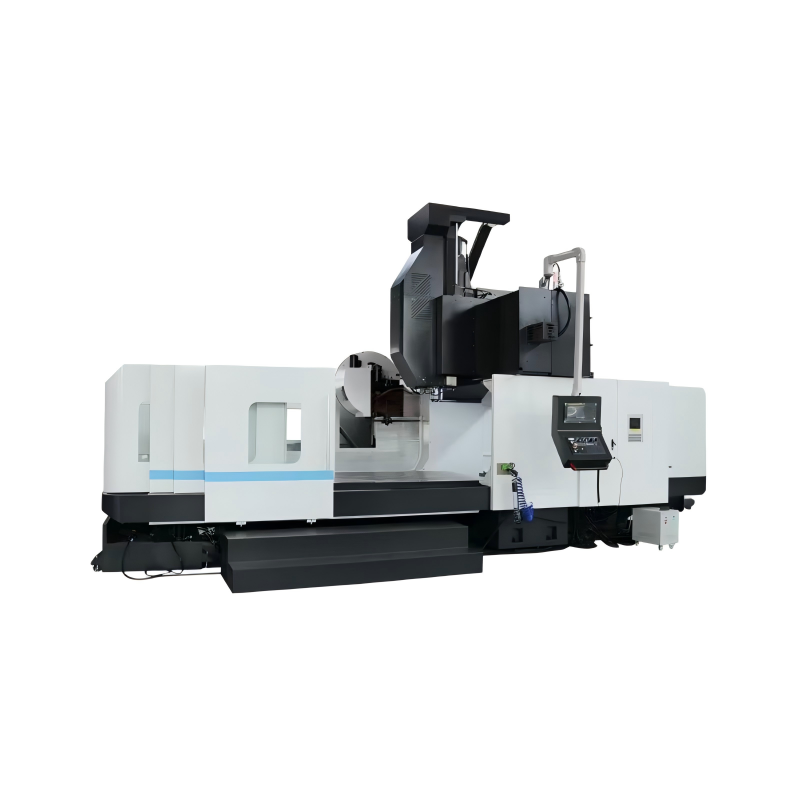
In the ever-evolving landscape of industrial manufacturing, the integration of advanced machinery plays a pivotal role in enhancing efficiency, precision, and overall productivity. Among these, the Heavy duty CNC pipe threading lathe stands out as a revolutionary tool that has transformed the way pipes are threaded and machined. This report delves into the key features and benefits of this advanced equipment, highlighting its impact on modern manufacturing processes.
The advent of the Heavy duty CNC pipe threading lathe has brought about a new era of precision in pipe machining. Unlike traditional lathes, which rely heavily on manual adjustments and operator skill, CNC (Computer Numerical Control) technology ensures that each operation is executed with unparalleled accuracy. The use of high-precision servo motors and advanced control systems allows for consistent and repeatable results, reducing the margin of error to near zero. This level of precision is particularly crucial in industries such as oil and gas, where even the slightest deviation can lead to significant safety and operational issues.
Moreover, the ability to program and store multiple threading operations means that operators can quickly switch between different tasks without the need for time-consuming setup changes. This not only saves time but also minimizes the risk of human error, ensuring that every pipe is threaded to the exact specifications required.
One of the most significant advantages of the Heavy duty CNC pipe threading lathe is its ability to significantly boost productivity. Traditional lathes often require frequent stops for adjustments and tool changes, leading to downtime and reduced output. In contrast, CNC Lathes are designed to operate continuously, with automated tool changers and self-diagnostic systems that minimize interruptions. This continuous operation translates to higher throughput and faster production cycles, making it an ideal solution for high-volume manufacturing environments.
Additionally, the use of advanced software and programming capabilities allows for the optimization of cutting parameters, such as speed, feed rate, and depth of cut. These optimizations not only improve the quality of the threads but also extend the life of the cutting tools, further contributing to cost savings and increased efficiency. The ability to run unattended for extended periods also frees up operators to focus on other critical tasks, thereby maximizing the utilization of human resources.
The Heavy duty CNC pipe threading lathe offers a level of flexibility and versatility that is unmatched by conventional lathes. With the ability to handle a wide range of pipe sizes and materials, from small-diameter tubing to large-diameter industrial pipes, this machine can adapt to various manufacturing requirements. The modular design of many CNC lathes allows for easy reconfiguration, enabling operators to switch between different types of operations, such as turning, facing, and threading, with minimal effort.
Furthermore, the integration of multi-axis capabilities and live tooling options expands the range of possible machining operations. For example, a 4-axis or 5-axis CNC lathe can perform complex milling and drilling operations in addition to threading, all within a single setup. This versatility not only reduces the need for multiple machines but also streamlines the production process, leading to faster turnaround times and lower costs.
Another key feature that enhances the flexibility of the Heavy duty CNC pipe threading lathe is the ability to integrate with other manufacturing systems. Many modern CNC lathes are equipped with communication interfaces that allow them to be part of a larger, interconnected manufacturing network. This integration enables seamless data exchange, real-time monitoring, and remote diagnostics, further improving the overall efficiency and responsiveness of the manufacturing process.
Safety and ergonomics are paramount in any manufacturing environment, and the Heavy duty CNC pipe threading lathe addresses these concerns through several innovative features. The enclosed design of many CNC lathes provides a physical barrier that protects operators from flying debris and other hazards. Additionally, the use of automatic door interlocks and emergency stop buttons ensures that the machine can be safely shut down in the event of an unexpected situation.
Ergonomically, CNC lathes are designed to reduce the physical strain on operators. The intuitive control panels and user-friendly interfaces make it easier for operators to monitor and control the machine, reducing the need for repetitive and strenuous movements. Moreover, the ability to automate many of the more physically demanding tasks, such as loading and unloading, further contributes to a safer and more comfortable working environment.
Finally, the advanced safety features of the Heavy duty CNC pipe threading lathe include real-time monitoring and predictive maintenance capabilities. These features allow for the early detection of potential issues, such as worn-out tools or mechanical failures, before they become critical. By addressing these issues proactively, manufacturers can prevent unscheduled downtime and ensure the continued safe operation of the machine.
The Heavy duty CNC pipe threading lathe represents a significant advancement in industrial manufacturing, offering a combination of precision, productivity, flexibility, and safety that is unmatched by traditional lathes. As the demand for high-quality, precisely machined pipes continues to grow, the adoption of this advanced technology will be essential for manufacturers seeking to stay competitive and meet the evolving needs of their customers. By leveraging the full potential of the Heavy duty CNC pipe threading lathe, manufacturers can revolutionize their production processes, achieving greater efficiency, consistency, and overall performance.
 16/06/2026
IntroductionIn the realm of industrial manufacturing, precision and efficiency are paramount. The advent of heavy duty CNC (Computer Numerical Control) pipe threading lathes has revolutionized the way pipes are processed, providing unparalleled accuracy,
Read More16/06/2026In the realm of industrial machinery, the heavy duty CNC pipe threading lathe stands out as a pinnacle of precision and efficiency. This advanced piece of equipment has revolutionized the way complex operations are handled in the manufacturing sector. By
Read More16/06/2026In the realm of industrial manufacturing, the role of precision machinery cannot be overstated. Among these, the heavy duty CNC pipe threading lathe stands out as a pinnacle of technological advancement, combining robustness with accuracy to deliver unpar
Read More16/06/2026The advancement in manufacturing technology has led to the development of highly efficient and versatile machinery, among which the heavy duty CNC pipe threading lathe stands out as a remarkable example. This type of machine is designed to handle large an
Read More16/06/2026The Evolution of Pipe Threading: From Manual to Automated SolutionsIn the world of industrial manufacturing, the process of threading pipes has undergone a significant transformation. Traditionally, this task was performed manually, which not only require
Read More16/06/2026When it comes to selecting the right heavy duty CNC pipe threading lathe for your workshop, there are several critical factors that one must consider. This decision can significantly impact the efficiency, quality, and cost-effectiveness of your operation
Read More16/06/2026In the realm of large-scale industrial projects, the demand for precision, efficiency, and reliability is paramount. One tool that stands out in meeting these requirements is the Heavy duty CNC pipe threading lathe. This advanced piece of machinery not on
Read More16/06/2026In today’s rapidly evolving manufacturing landscape, the integration of advanced technologies has become a cornerstone for enhancing productivity and maintaining a competitive edge. One such technology that stands out in the realm of pipe fabrication is t
Read More16/06/2026Heavy duty CNC pipe threading lathes are an essential part of modern manufacturing, especially in industries that require high precision and robust performance. These machines are designed to handle large and heavy pipes, ensuring that the threads produce
Read MoreOur professional sales team is always ready to assist you.