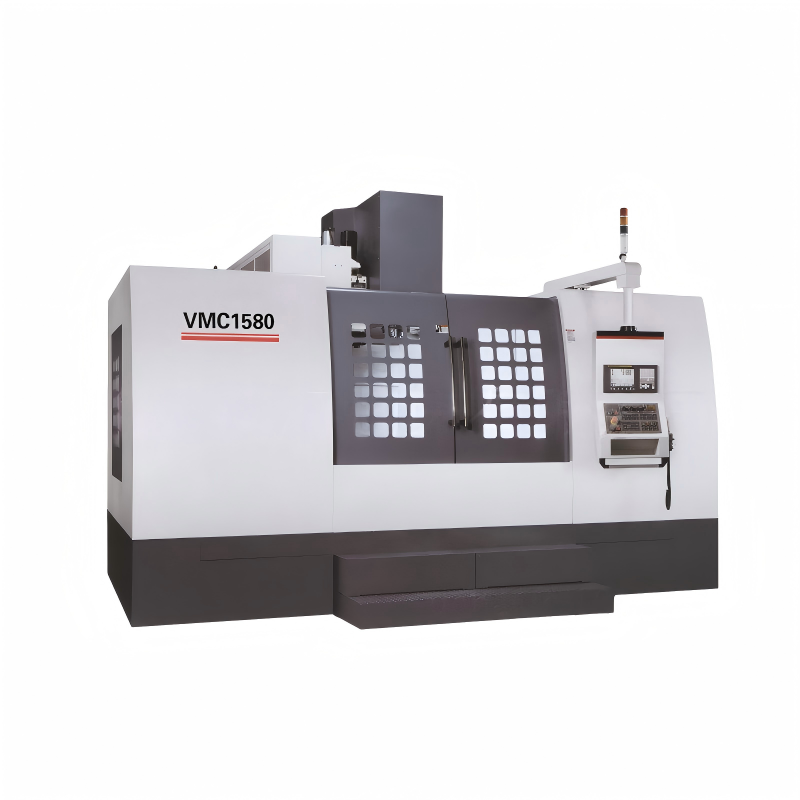
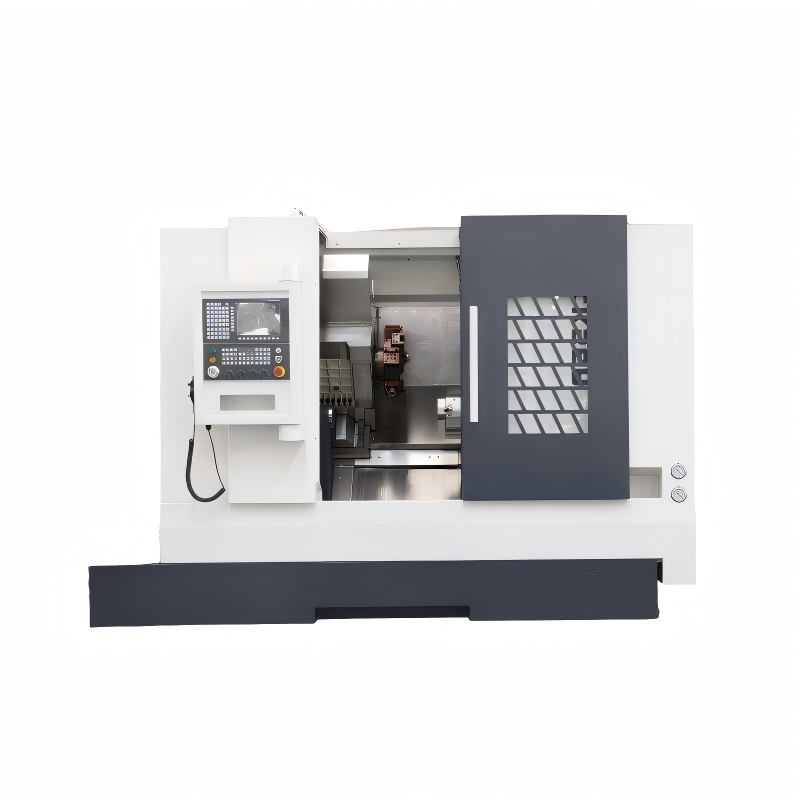
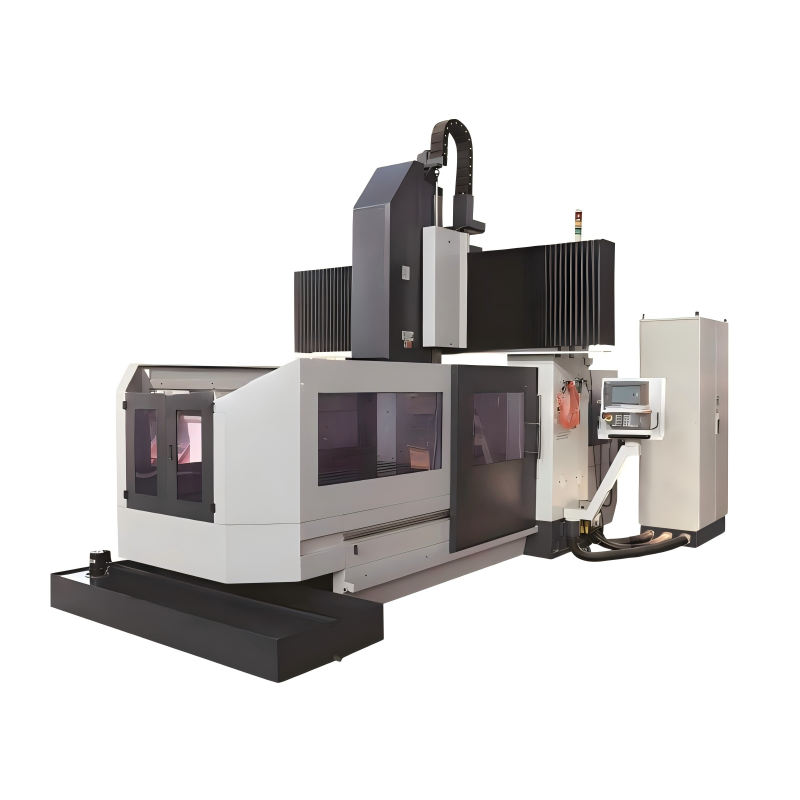
Implementing ISO 9001 within a VMC (Vertical Machining Center) manufacturing environment is not just about meeting an international standard; it's a strategic move that can significantly enhance operational efficiency, product quality, and customer satisfaction. This report explores key strategies for VMC Manufacturers to successfully implement ISO 9001, focusing on the importance of leadership commitment, process optimization, and continuous improvement.
The success of any ISO 9001 implementation hinges on strong and consistent leadership. In the context of VMC Manufacturer, top management must demonstrate a clear commitment to the quality management system (QMS). This involves setting a vision for quality, establishing quality objectives, and ensuring that these are communicated throughout the organization. Leadership should also provide the necessary resources, both financial and human, to support the QMS. By fostering a culture of quality, leaders can inspire employees at all levels to embrace the principles of ISO 9001, leading to a more cohesive and effective implementation.
One practical approach is to establish a steering committee or task force dedicated to the ISO 9001 project. This team, led by senior management, can oversee the entire implementation process, from initial planning to certification. The committee should include representatives from various departments, such as production, engineering, and quality assurance, to ensure a holistic and cross-functional approach. Regular meetings and progress reports will help maintain momentum and address any challenges that arise.
ISO 9001 emphasizes the need for well-defined and documented processes. For a VMC Manufacturer, this means carefully analyzing and mapping out all key processes, from design and procurement to production and delivery. The goal is to identify inefficiencies, redundancies, and areas for improvement. Process optimization can lead to significant cost savings, reduced lead times, and improved product quality.
One effective tool for process optimization is the use of flowcharts and process maps. These visual aids help in understanding the current state of processes and identifying bottlenecks. Lean manufacturing principles, such as Just-In-Time (JIT) and 5S, can also be integrated into the ISO 9001 framework to further streamline operations. Additionally, implementing advanced technologies like automation and data analytics can provide real-time insights into process performance, enabling quicker and more informed decision-making.
Regular internal audits and management reviews are essential to ensure that processes remain effective and aligned with the ISO 9001 requirements. These reviews should involve cross-functional teams to gather diverse perspectives and foster a culture of continuous improvement. By regularly assessing and refining processes, VMC manufacturers can stay competitive and responsive to market demands.
Continuous improvement is a core principle of ISO 9001, and it is particularly important in a VMC manufacturing setting where innovation and adaptability are key. Engaging employees in the improvement process is crucial for driving meaningful change and sustaining the benefits of ISO 9001 over the long term.
Employee training and development programs should be a priority. Providing regular training on ISO 9001 principles, quality management tools, and best practices can empower employees to contribute to the QMS. Training should be tailored to different roles and levels within the organization, ensuring that everyone understands their responsibilities and how they contribute to the overall quality objectives.
Encouraging a culture of open communication and feedback is another critical aspect of employee engagement. Mechanisms such as suggestion boxes, regular team meetings, and anonymous surveys can help gather valuable insights from the workforce. Recognizing and rewarding employees for their contributions to quality improvement can further motivate them to participate actively in the QMS. By fostering a sense of ownership and involvement, VMC manufacturers can create a dynamic and resilient quality management system that continuously evolves and improves.
In conclusion, the successful implementation of ISO 9001 in a VMC manufacturing environment requires a multifaceted approach. Leadership commitment, process optimization, and continuous improvement through employee engagement are key strategies that can drive the transformation. By embracing these principles, VMC manufacturers can not only achieve ISO 9001 certification but also build a robust foundation for long-term success and competitiveness in the global market.
 24/06/2026
ISO 9001, a globally recognized standard for quality management systems (QMS), plays a crucial role in ensuring that VMC (Vertical Machining Center) manufacturers meet customer and regulatory requirements while continuously improving their operations. Ach
Read More24/06/2026In the realm of manufacturing, especially within the vertical machining center (VMC) industry, adhering to international standards is not just a regulatory requirement but also a strategic move towards enhancing product quality and customer satisfaction.
Read More24/06/2026Introduction to ISO 9001 and Its Relevance for VMC ManufacturersThe International Organization for Standardization (ISO) has established a set of criteria, known as ISO 9001, which is widely recognized across the globe. This standard serves as a guideline
Read More24/06/2026In the rapidly evolving world of manufacturing, achieving and maintaining high standards of quality and efficiency are critical for success. One such standard that has gained international recognition is ISO 9001, which plays a pivotal role in enhancing t
Read More23/06/2026ISO 9001 is a globally recognized standard for quality management systems (QMS), providing a framework to ensure that organizations consistently meet the needs of customers and other stakeholders. For VMC (Vertical Machining Center) manufacturers, achievi
Read More23/06/2026The Importance of Quality Management Systems in VMC Manufacturing Implementing an ISO 9001 certified quality management system (QMS) is a strategic move for any VMC manufacturer. This international standard provides a framework that ensures consistent pro
Read More23/06/2026ISO 9001 is a globally recognized standard that sets out the criteria for a quality management system. It can be used by any organization, large or small, regardless of its field of activity. This certification helps businesses and organizations to be mor
Read More23/06/2026ISO 9001 is a globally recognized standard for quality management systems (QMS) that provides a framework for organizations to ensure they meet the needs of customers and other stakeholders while meeting statutory and regulatory requirements. For VMC (Ver
Read More23/06/2026ISO 9001, as a globally recognized standard for quality management systems, plays an essential role in shaping the operational practices of manufacturing enterprises. This document delves into how ISO 9001 influences modern manufacturing standards, partic
Read MoreOur professional sales team is always ready to assist you.