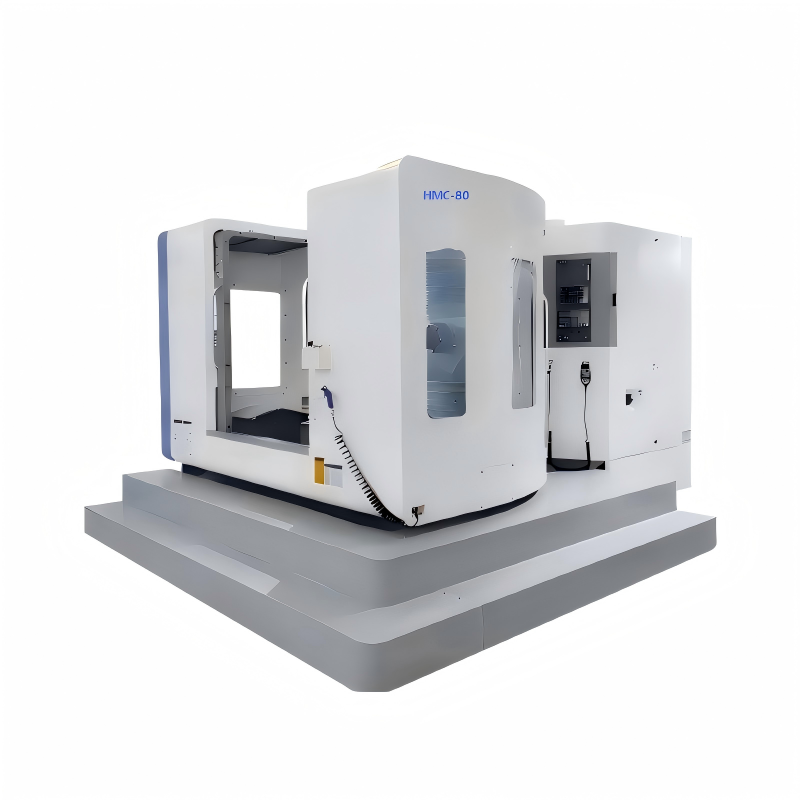
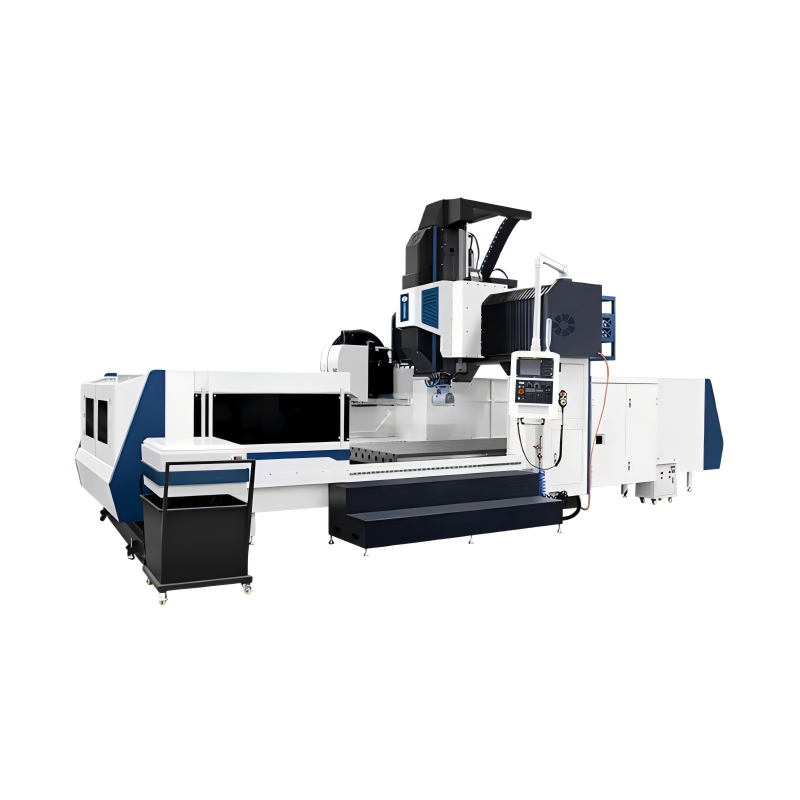
The heart of any CNC machining center is its components, which significantly influence the overall energy consumption. By integrating high-efficiency motors, such as those with variable speed drives (VSDs), and LED lighting, manufacturers can reduce the power draw without compromising on performance. VSDs, for instance, allow for precise control over motor speeds, ensuring that only the necessary amount of energy is used, thereby lowering operational costs and environmental impact.
Innovations in smart technology have enabled the development of advanced power management systems capable of monitoring and adjusting the energy usage of a CNC machining center in real-time. These systems can automatically switch off non-essential functions during idle periods or when the machine is not in use, further reducing electricity consumption. Additionally, they provide valuable data insights into energy patterns, enabling operators to make informed decisions about how to optimize their operations for maximum efficiency.
A significant amount of thermal energy is generated during the operation of a CNC machining center. Traditionally, this heat has been wasted. However, modern designs incorporate heat recovery systems that capture and repurpose this thermal energy. This captured heat can be used for space heating, water heating, or even preheating raw materials, thus decreasing the reliance on external heating sources and contributing to a more sustainable manufacturing process.
One of the key strategies for enhancing sustainability within CNC machining centers involves the selection of materials. Opting for recyclable metals and plastics reduces the environmental footprint associated with material extraction and disposal. Furthermore, using recycled materials as feedstock whenever possible not only conserves natural resources but also decreases the carbon emissions linked to the production of new raw materials.
Lean manufacturing focuses on minimizing waste while maximizing productivity. In the context of CNC machining centers, this means optimizing the cutting paths, tooling, and workpiece setup to minimize scrap generation. Techniques such as nesting, where multiple parts are cut from a single sheet of material, and the use of simulation software to test and refine processes before actual production, help in achieving these goals. By reducing material waste, companies can lower their environmental impact and improve profitability.
Establishing comprehensive recycling and reuse programs is another crucial aspect of sustainable operations in CNC machining centers. Metal chips, for example, can be collected and sent back to foundries for reprocessing into new metal products. Similarly, coolant and lubricant fluids can be filtered and reused, reducing both the volume of hazardous waste generated and the need for fresh supplies. Such initiatives not only benefit the environment but also contribute to cost savings for the business.
The integration of artificial intelligence (AI) and machine learning (ML) algorithms into CNC machining centers represents a significant step towards sustainability. These technologies enable predictive maintenance, allowing operators to address potential issues before they lead to downtime or increased resource consumption. Moreover, AI-driven optimization tools can analyze vast amounts of data to identify inefficiencies and suggest improvements, leading to more efficient use of materials, energy, and time.
Automated tool management systems play a vital role in enhancing the sustainability of CNC machining centers. These systems ensure that tools are always in optimal condition, reducing the likelihood of tool breakage and the associated waste. They also facilitate the tracking and scheduling of tool replacements, ensuring that worn-out tools are replaced promptly, which helps in maintaining consistent quality and minimizing rework. By automating these processes, manufacturers can achieve higher levels of precision and efficiency, ultimately reducing their environmental footprint.
Modern CNC machining centers often come equipped with remote monitoring and control capabilities, allowing operators to oversee and manage multiple machines from a central location. This feature not only enhances operational efficiency by enabling real-time adjustments and troubleshooting but also reduces the need for physical presence, thereby lowering transportation-related emissions. Remote access also supports collaborative work, enabling experts to provide guidance and support regardless of their geographical location, further contributing to a more sustainable and connected manufacturing ecosystem.
 05/06/2026
IntroductionThe CNC (Computer Numerical Control) machining center is a critical piece of equipment in modern manufacturing, offering unparalleled precision and efficiency. However, with a wide range of options available, selecting the right CNC machining
Read More04/06/2026In the ever-evolving landscape of manufacturing, the role of CNC machining centers has become increasingly pivotal. These advanced machines are not only essential for precision and consistency but also for driving productivity in modern factories. This re
Read More03/06/2026Historical Development and Evolution of CNC Machining CentersThe journey of the CNC machining center from its initial concept to today's sophisticated machinery is a testament to human ingquity and technological progress. This section will explore how the
Read More02/06/2026The Evolution and Current State of CNC Machining Centers in Aerospace Since the advent of computer numerical control (CNC) machining centers, their role in the aerospace industry has evolved significantly. These machines have become an indispensable part
Read More01/06/2026Understanding the Importance of Regular Maintenance for CNC Machining Centers CNC machining centers are the backbone of many manufacturing processes, providing high precision and efficiency. However, to ensure that these machines continue to perform at th
Read More31/05/2026Enhanced Precision and Consistency in Automotive Parts Production In the ever-evolving landscape of automotive manufacturing, CNC machining centers have emerged as a transformative force. These advanced machines are not just tools; they represent a paradi
Read More30/05/2026In the realm of manufacturing, precision and efficiency are paramount. The advent of Computer Numerical Control (CNC) machining centers has revolutionized the way parts and components are produced. These advanced machines offer unparalleled accuracy, vers
Read More29/05/2026The rapid evolution of manufacturing technologies, particularly in the realm of Computer Numerical Control (CNC) machining centers, is fundamentally reshaping how industries operate. As we move deeper into the era of Industry 4.0, characterized by automat
Read MoreOur professional sales team is always ready to assist you.