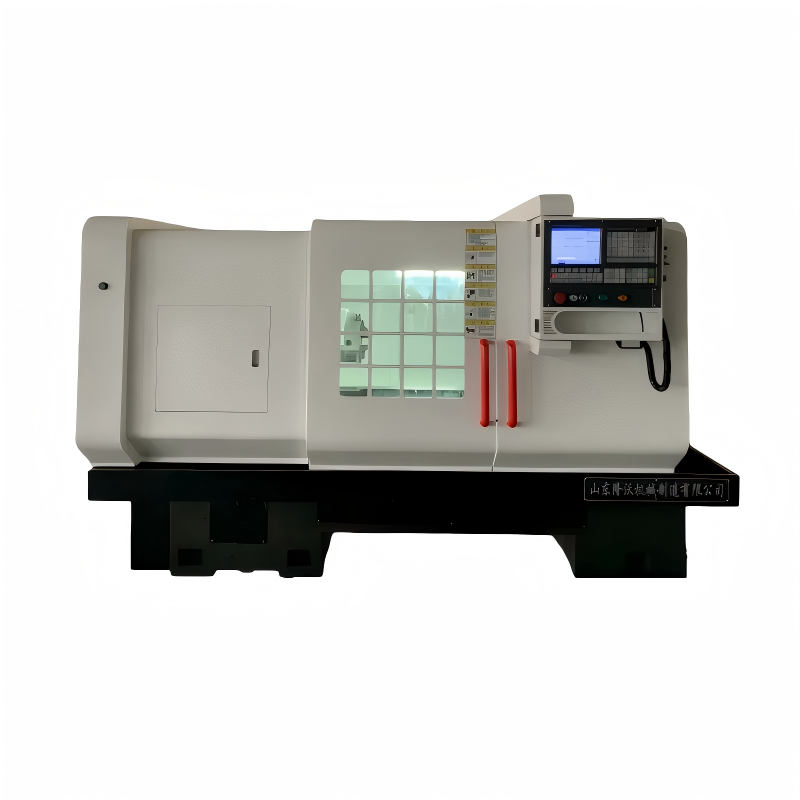
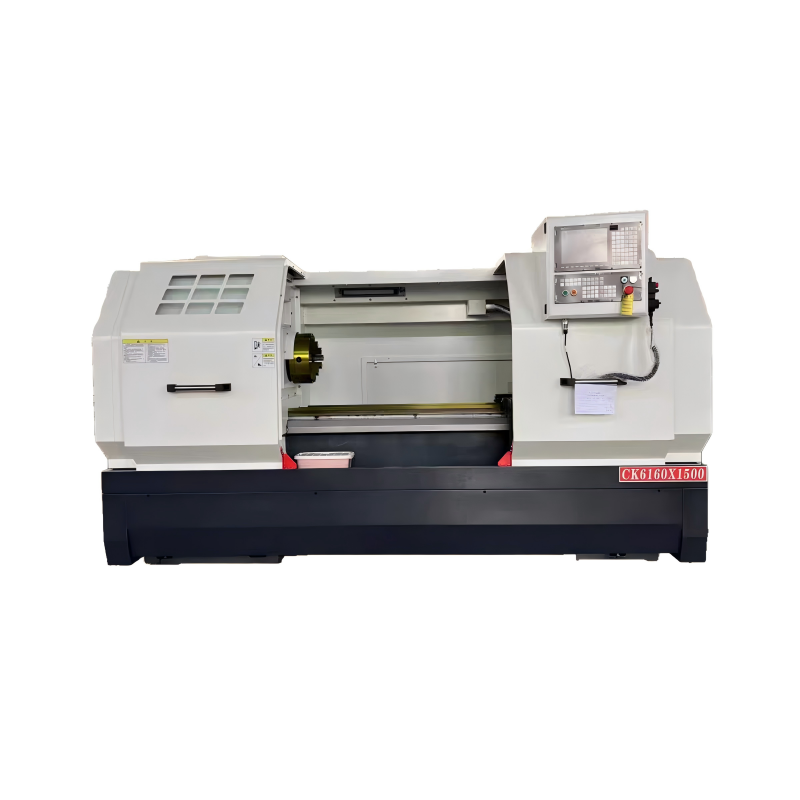
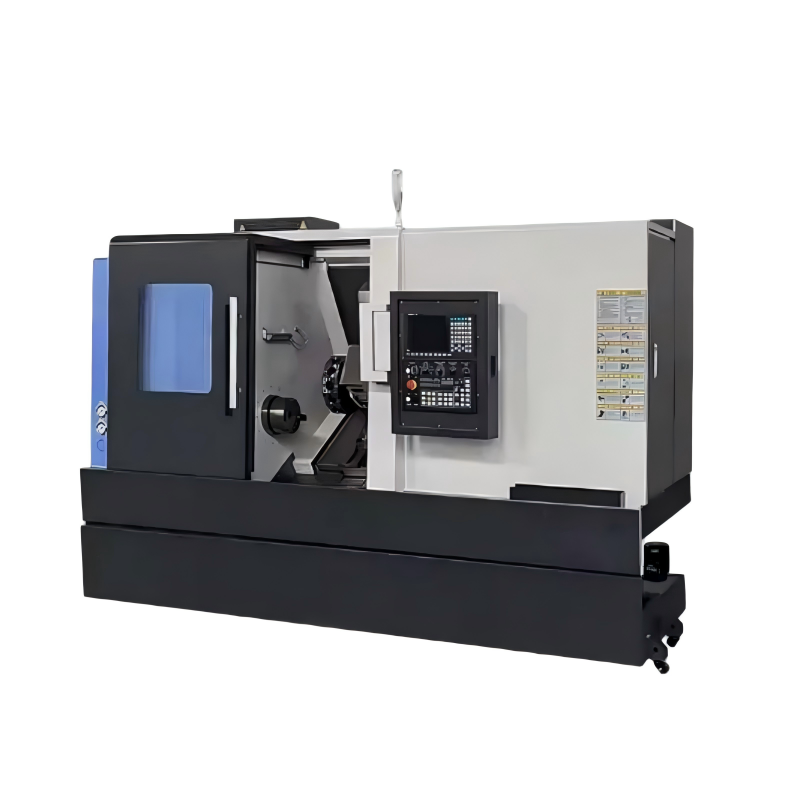
In the realm of manufacturing, the use of Small / Mini CNC Turning Center has become increasingly popular, especially for prototyping. These machines offer a range of benefits that make them ideal for small-scale production and prototype development. This technical report will explore several key advantages of using a Small CNC Turning Center for prototyping, including precision, cost-effectiveness, and flexibility.
One of the most significant advantages of a Small CNC Turning Center is its ability to deliver high precision and accuracy. In prototyping, where even the smallest deviation can lead to significant issues, this level of precision is crucial. The machine uses computer-aided design (CAD) files to guide the cutting tools, ensuring that the final product matches the design specifications exactly. This reduces the likelihood of errors and rework, which can be costly and time-consuming. Additionally, the use of advanced software allows for complex geometries and intricate details, making it possible to create highly sophisticated prototypes that would be difficult or impossible to produce manually.
For many small businesses and startups, the initial investment in manufacturing equipment can be a significant barrier. However, a Small CNC Turning Center offers a cost-effective solution for prototyping and small-scale production. These machines are generally more affordable than their larger counterparts, making them accessible to a broader range of users. Furthermore, they often have lower operating costs due to their smaller size and energy efficiency. The ability to produce high-quality prototypes in-house also eliminates the need for outsourcing, which can save on both time and money. By reducing the reliance on external suppliers, companies can maintain better control over the quality and delivery times of their prototypes, leading to a more streamlined and efficient development process.
A Small CNC Turning Center is highly versatile, capable of working with a wide range of materials, including metals, plastics, and composites. This flexibility is particularly valuable in prototyping, where different materials may need to be tested to determine the best fit for the final product. The machine can handle various shapes and sizes, allowing for the creation of diverse prototypes. Additionally, the ability to switch between different tools and operations quickly makes it easy to adapt to changing design requirements. This versatility means that a single machine can be used for multiple projects, further enhancing its cost-effectiveness. For example, a company might use the same machine to create a metal part one day and a plastic component the next, without the need for extensive setup changes.
Time is often a critical factor in the prototyping process, as companies need to move quickly from concept to market. A Small CNC Turning Center can significantly reduce lead times by enabling rapid prototyping. The machine's automated processes and high-speed cutting capabilities allow for faster production, meaning that prototypes can be created and tested more quickly. This speed is particularly beneficial when multiple iterations are required, as it allows for quicker feedback and adjustments. By reducing the time needed to produce each prototype, companies can accelerate their development cycles, bringing products to market faster and staying ahead of the competition. Additionally, the ability to perform multiple operations in a single setup minimizes downtime and increases overall efficiency.
Consistency is key in manufacturing, and a Small CNC Turning Center excels in maintaining high levels of quality control. The machine's precise and repeatable movements ensure that each prototype is produced to the exact same specifications, reducing variability and improving overall quality. This consistency is particularly important when creating multiple prototypes for testing, as it ensures that any differences observed are due to the design changes rather than manufacturing inconsistencies. Furthermore, the use of advanced monitoring and diagnostic tools allows for real-time tracking of the machining process, enabling operators to detect and correct any issues immediately. This level of control helps to minimize defects and improve the overall reliability of the prototypes, leading to more accurate and reliable test results.
In conclusion, the use of a Small CNC Turning Center for prototyping offers numerous advantages, including high precision, cost-effectiveness, flexibility, reduced lead times, and enhanced quality control. These benefits make it an ideal choice for small businesses and startups looking to develop and test new products efficiently and effectively. By leveraging the capabilities of a Small CNC Turning Center, companies can streamline their prototyping process, reduce costs, and bring their innovations to market faster.
 30/06/2026
The advent of Small / Mini CNC Turning Centers has significantly transformed the manufacturing landscape, offering precision and efficiency in a compact form. These machines are designed to meet the needs of various industries, from automotive to electron
Read More30/06/2026In the rapidly evolving landscape of precision engineering, the introduction of the Mini CNC Turning Center has marked a significant shift towards more efficient, cost-effective, and versatile manufacturing solutions. This report delves into how these com
Read More30/06/2026As the manufacturing industry continues to evolve, so does the technology that powers it. One such technological advancement is the Small / Mini CNC Turning Center, which has become an indispensable tool in modern production environments. This report expl
Read MoreOur professional sales team is always ready to assist you.