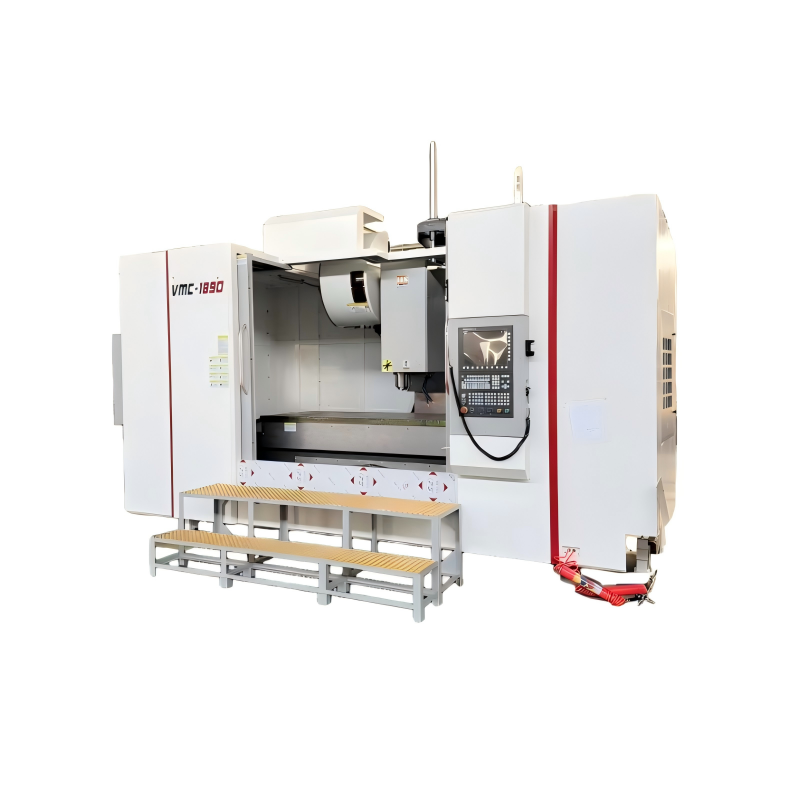
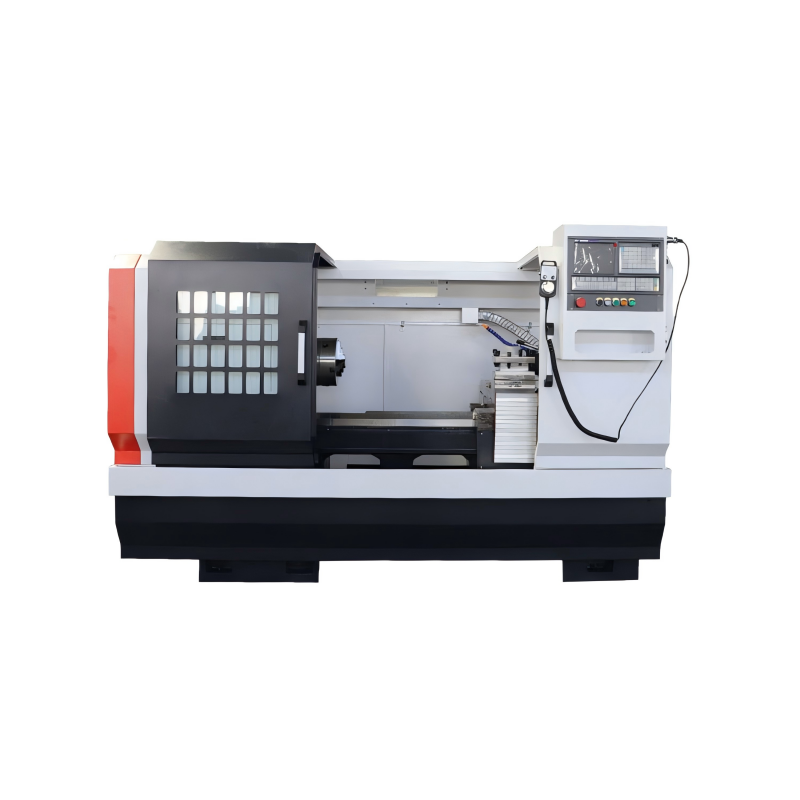
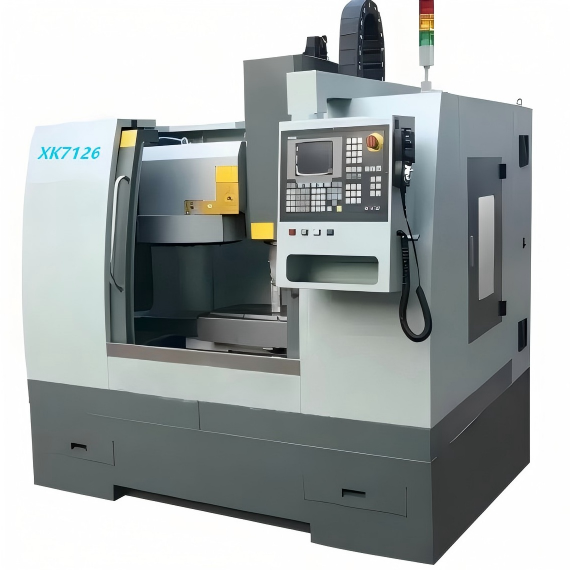
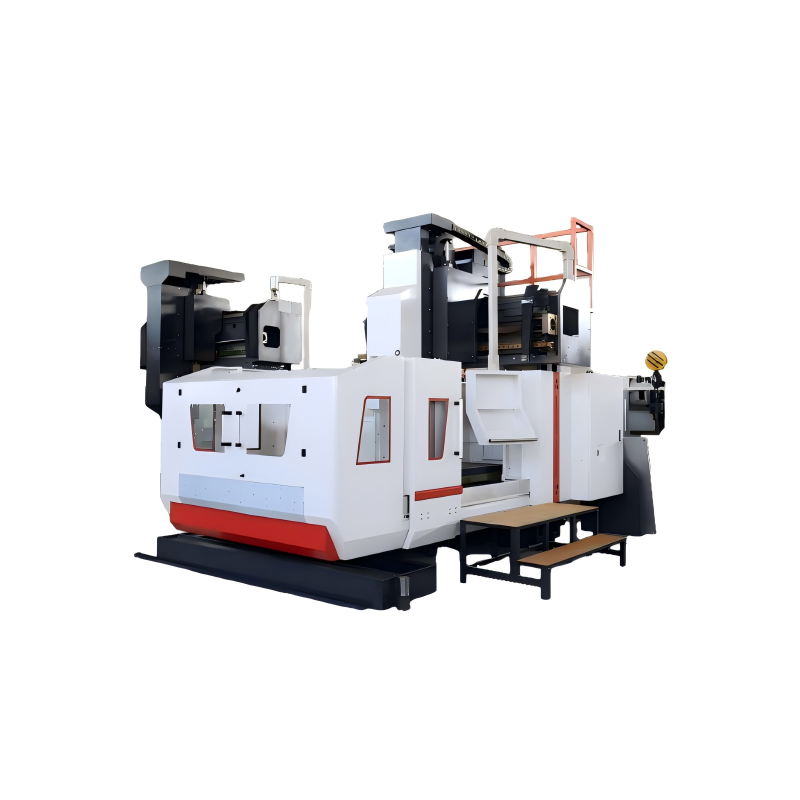
In the realm of modern manufacturing, the integration of advanced machinery has revolutionized the way industries operate. Among these innovations, the Gantry-Type GMC Center and the Horizontal Lathe Machine stand out for their precision, efficiency, and versatility. This technical report aims to explore the benefits of using a modern horizontal lathe machine, highlighting its advantages in various industrial applications.
Enhanced Precision and Accuracy
One of the primary advantages of a modern horizontal lathe machine is its ability to achieve high levels of precision and accuracy. These machines are equipped with state-of-the-art CNC (Computer Numerical Control) systems that allow for precise control over the cutting process. The CNC system ensures that the tool paths are followed with minimal deviation, resulting in consistent and high-quality output. This level of precision is particularly beneficial in industries where tight tolerances are required, such as aerospace, automotive, and medical device manufacturing.
Moreover, the use of advanced sensors and feedback mechanisms further enhances the accuracy of the horizontal lathe. These technologies enable real-time monitoring and adjustment of the cutting parameters, ensuring that the final product meets the specified dimensions and surface finish requirements. The combination of CNC control and advanced sensing technologies makes the modern horizontal lathe an indispensable tool for achieving high-precision machining.
Increased Productivity and Efficiency
Another significant benefit of using a modern horizontal lathe machine is the substantial increase in productivity and efficiency. These machines are designed to handle a wide range of materials and part sizes, making them highly versatile. The ability to switch between different operations and tooling setups quickly and easily reduces downtime and increases overall throughput.
Additionally, the use of automated features such as automatic tool changers, chip conveyors, and coolant systems further streamlines the machining process. Automatic tool changers, for example, eliminate the need for manual intervention, allowing for continuous operation and reducing the risk of human error. Chip conveyors and coolant systems ensure that the work area remains clean and the cutting tools stay cool, prolonging their lifespan and maintaining optimal performance.
The integration of these automated features not only boosts productivity but also improves the working environment by reducing noise, dust, and heat. This leads to a more comfortable and safer workplace, which is essential for maintaining a motivated and productive workforce.
Cost-Effectiveness and Long-Term Savings
While the initial investment in a modern horizontal lathe machine may be higher compared to traditional lathes, the long-term cost savings make it a worthwhile investment. The increased efficiency and productivity of these machines translate into lower per-unit production costs, which can significantly impact the bottom line of a manufacturing operation.
Furthermore, the durability and reliability of modern horizontal lathes reduce maintenance and repair costs. The use of high-quality materials and advanced engineering in the construction of these machines ensures that they can withstand the rigors of continuous operation. Regular maintenance, although necessary, is less frequent and less costly compared to older, less robust machines.
Additionally, the ability to perform multiple operations on a single machine eliminates the need for additional equipment and reduces the overall footprint of the manufacturing facility. This not only saves on space but also on energy and operational costs, making the modern horizontal lathe a cost-effective solution for many manufacturing environments.
Improved Surface Finish and Quality
The quality of the final product is a critical factor in any manufacturing process. Modern horizontal lathe machines excel in producing parts with superior surface finishes and overall quality. The precision and stability of these machines, combined with the use of high-quality cutting tools, result in smooth, uniform surfaces that meet or exceed industry standards.
Advanced features such as dynamic stiffness and vibration damping further enhance the surface finish. Dynamic stiffness refers to the machine's ability to resist deflection under load, while vibration damping reduces the oscillations that can occur during the cutting process. These features work together to minimize surface irregularities and ensure that the final product is free from defects.
Moreover, the use of advanced software and simulation tools allows for the optimization of the machining process. Engineers can simulate the cutting process and make adjustments to the tool paths and cutting parameters before actual production begins. This pre-production optimization ensures that the final product meets the desired quality standards, reducing the likelihood of rework and scrap.
Flexibility and Adaptability
Modern horizontal lathe machines are highly flexible and adaptable, making them suitable for a wide range of applications. These machines can be configured to handle various materials, including metals, plastics, and composites, and can produce parts of different sizes and complexities. The ability to switch between different operations, such as turning, milling, drilling, and threading, without the need for extensive setup changes, adds to their versatility.
Furthermore, the use of modular tooling systems allows for quick and easy reconfiguration of the machine to accommodate different production requirements. This flexibility is particularly valuable in industries where product designs and specifications frequently change. The ability to adapt to new requirements quickly and efficiently ensures that the manufacturing process remains agile and responsive to market demands.
Additionally, the integration of advanced software and programming capabilities enables the modern horizontal lathe to handle complex and intricate designs. CAD/CAM (Computer-Aided Design/Computer-Aided Manufacturing) software allows for the creation of detailed 3D models and the generation of precise tool paths. This software-driven approach not only simplifies the design and programming process but also ensures that the final product is manufactured to the highest standards of quality and precision.
In conclusion, the modern horizontal lathe machine offers numerous benefits that make it a valuable asset in today's manufacturing landscape. Its enhanced precision and accuracy, increased productivity and efficiency, cost-effectiveness, improved surface finish and quality, and flexibility and adaptability make it an ideal choice for a wide range of industrial applications. As technology continues to advance, the capabilities of these machines will only continue to grow, further solidifying their position as a cornerstone of modern manufacturing.
 10/06/2026



