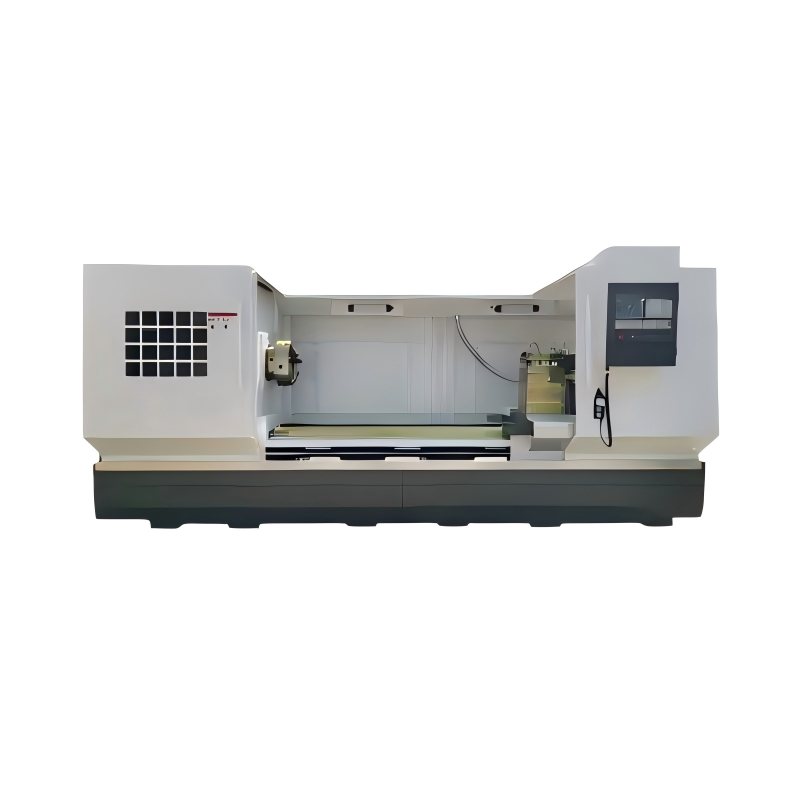
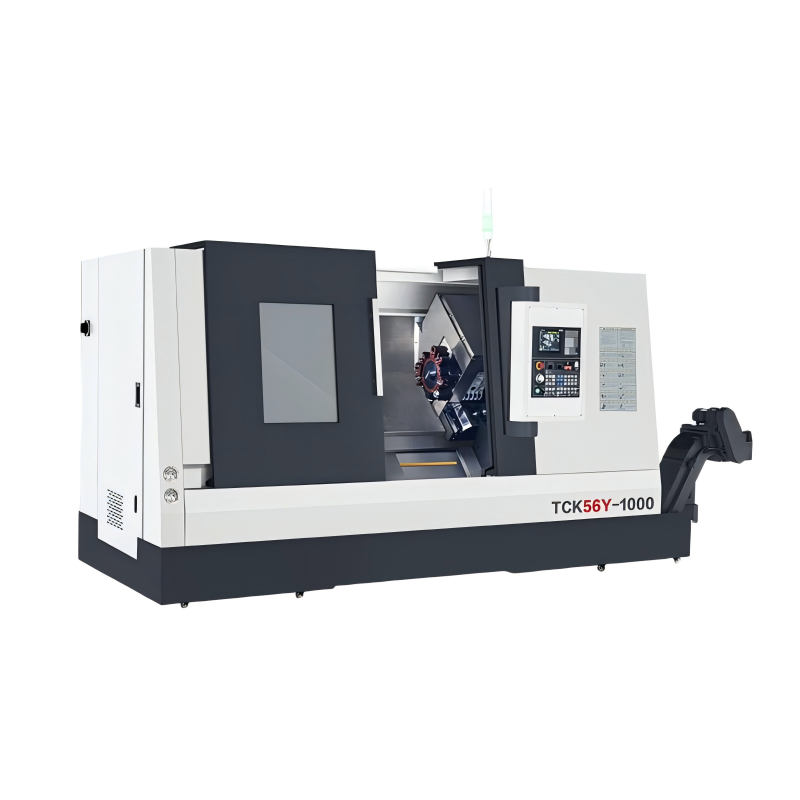
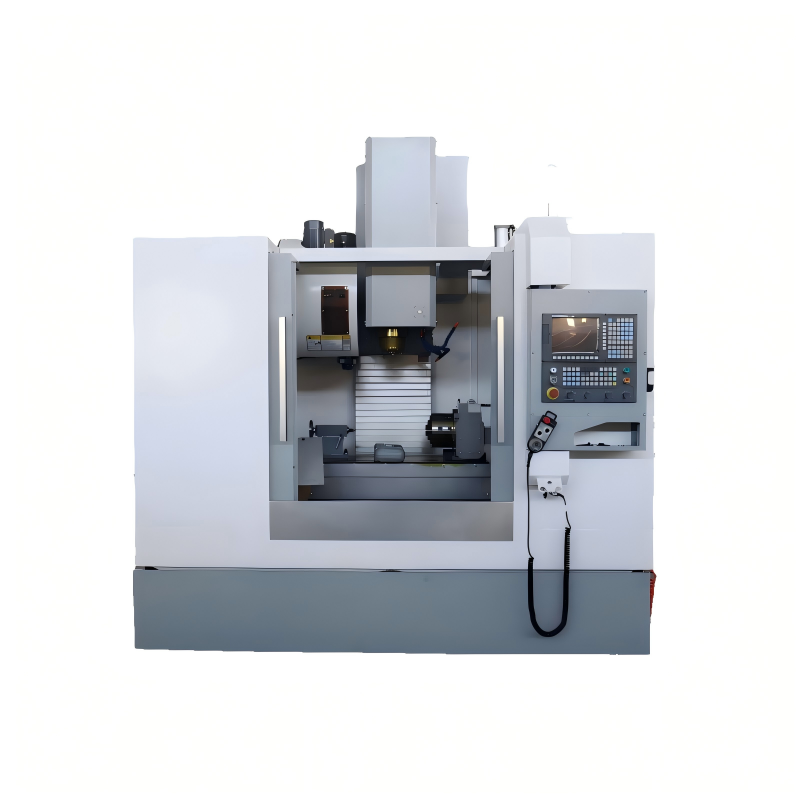
The transformation of the manufacturing industry in China, particularly in sectors like CNC lathe production, has been nothing short of remarkable. Over the past few decades, Chinese factories have evolved from basic mechanical operations to highly sophisticated and technologically advanced systems. This report delves into the evolution of CNC Lathe production within Chinese factories, highlighting key milestones, technological advancements, and the impact on global markets.
The journey of CNC (Computer Numerical Control) lathes in China began in the late 20th century. Initially, Chinese factories relied heavily on imported machinery and technology from countries with more established manufacturing bases. The early years were marked by a focus on learning and adapting these technologies to fit local needs. During this period, the term "China box way CNC lathe factory" became synonymous with facilities that were at the forefront of adopting and integrating these new machines. These factories played a crucial role in laying the groundwork for what would become a significant shift in the country's manufacturing landscape.
The first generation of CNC lathes in China was characterized by basic functionality and limited automation. However, even at this early stage, the potential for increased efficiency and precision was evident. As the demand for higher quality and more complex parts grew, so did the need for more advanced machinery. This led to an increased investment in research and development, setting the stage for the rapid advancements that followed.
In the 21st century, the pace of technological advancement in CNC lathe production in China accelerated significantly. The introduction of high-precision, multi-axis CNC lathes, and the integration of advanced software and control systems, revolutionized the manufacturing process. These innovations allowed for greater flexibility, higher accuracy, and faster production times, making Chinese factories more competitive on the global stage.
One of the key areas of innovation was the development of intelligent manufacturing systems. These systems incorporate real-time data analytics, machine learning, and artificial intelligence to optimize production processes. For example, predictive maintenance algorithms can detect potential issues before they cause downtime, ensuring continuous and efficient operation. Additionally, the use of IoT (Internet of Things) devices has enabled seamless communication between different components of the production line, further enhancing overall productivity.
The rise of 5G technology has also had a significant impact on CNC lathe production. With its ultra-low latency and high bandwidth, 5G allows for real-time data transmission and remote monitoring, enabling more precise and responsive control over the manufacturing process. This has not only improved the quality of the final products but also reduced the need for manual intervention, leading to cost savings and increased safety.
The evolution of CNC lathe production in Chinese factories has had a profound impact on the global market. As Chinese manufacturers have become more capable and competitive, they have captured a significant share of the international market. The combination of high-quality products, competitive pricing, and efficient production processes has made Chinese CNC lathes a preferred choice for many companies around the world.
Moreover, the growth of the Chinese CNC lathe industry has spurred innovation and competition globally. Other countries and regions have responded by investing in their own technological advancements and improving their manufacturing capabilities. This has led to a more dynamic and innovative global manufacturing landscape, benefiting consumers and businesses alike.
Looking ahead, the future of CNC lathe production in Chinese factories is promising. Continued investment in research and development, along with the adoption of emerging technologies such as robotics, augmented reality, and blockchain, will likely drive further improvements in efficiency, quality, and sustainability. Additionally, the increasing focus on environmental sustainability and energy efficiency will play a critical role in shaping the future of the industry. As Chinese factories continue to innovate and adapt, they are well-positioned to remain at the forefront of global manufacturing.
In conclusion, the evolution of CNC lathe production in Chinese factories is a testament to the country's commitment to technological advancement and industrial modernization. From the initial adoption of basic CNC technology to the current state-of-the-art manufacturing systems, Chinese factories have come a long way. The ongoing innovations and the positive impact on the global market highlight the significant contributions of the Chinese manufacturing sector to the world economy.
 19/06/2026
China, a country known for its rapid industrial growth and technological advancements, has become a significant player in the global manufacturing sector. One of the key areas where China excels is the production of CNC lathes, particularly those utilizin
Read More19/06/2026Understanding the Evolution of CNC Lathe Manufacturing in ChinaThe landscape of CNC (Computer Numerical Control) lathe manufacturing has seen significant changes over the past few decades, with China box way CNC lathe factory becoming a pivotal player on
Read More18/06/2026In the realm of precision manufacturing, CNC lathes play a pivotal role in achieving high-quality and efficient production. This report delves into how top-rated Chinese factories, particularly those specializing in China box way CNC lathe, are revolution
Read More18/06/2026China box way CNC lathe factory has been at the forefront of manufacturing high-precision, reliable, and efficient machining solutions. In this report, we will explore the advanced features of box way CNC lathes that contribute to their superior performan
Read More18/06/2026In the modern era, where precision and efficiency are paramount in manufacturing, Chinese CNC lathe factories have emerged as key players in the global industry. This report delves into how these factories are meeting and often exceeding global standards,
Read More18/06/2026When it comes to selecting a CNC lathe factory in China, there are several key factors that one must consider. The decision-making process can be complex, given the vast number of options available and the critical role that CNC lathes play in manufacturi
Read More18/06/2026China, a leading player in the global manufacturing sector, is home to numerous CNC lathe factories. One of the critical aspects that differentiate these facilities is their focus on precision and durability, which are largely influenced by the design and
Read More18/06/2026China, a country known for its rapid technological advancements and manufacturing prowess, has been at the forefront of innovation in the field of CNC lathe technology. Leading China box way CNC lathe factory have been instrumental in driving these innova
Read More18/06/2026With the rapid development of manufacturing technology, selecting a CNC lathe factory in China has become an increasingly important decision for many businesses. This guide aims to provide a comprehensive overview of the key considerations when choosing a
Read More18/06/2026In the realm of precision machining, the role of a box way in enhancing the performance and accuracy of CNC lathes is often underestimated. This technical report aims to explore the critical function of box ways within China's CNC lathe manufacturing sect
Read More18/06/2026China, a global leader in manufacturing, has seen its CNC (Computer Numerical Control) lathe industry flourish over the past few decades. This growth is not just a matter of quantity but also quality, with Chinese factories producing machines that are inc
Read More18/06/2026In the ever-evolving landscape of manufacturing, the role of advanced machinery cannot be overstated. Among these, CNC (Computer Numerical Control) lathes stand out as essential tools for precision and efficiency. This report delves into the capabilities
Read More18/06/2026In the ever-evolving landscape of precision machining, China has emerged as a global leader, particularly in the production of CNC lathes. This report delves into the future of precision machining, offering insights from a China CNC lathe factory, highlig
Read More17/06/2026When it comes to precision machining, the choice of equipment can significantly impact both the quality and efficiency of production. One such piece of machinery that has gained considerable attention in recent years is the box way CNC lathe, particularly
Read More17/06/2026Choosing the right CNC lathe from a China box way CNC lathe factory can be a daunting task, especially given the vast array of options available in the market. This guide aims to provide a comprehensive overview to help you make an informed decision. We w
Read More16/06/2026With the rapid development of industrial technology, precision machining has become an essential part of manufacturing. In this context, a 630mm swing conventional lathe from a China box way CNC lathe factory offers significant advantages. This report del
Read More16/06/2026In the rapidly evolving landscape of manufacturing, China has emerged as a pivotal player, particularly in the production and innovation of CNC (Computer Numerical Control) lathes. This report delves into how modern CNC lathes from China are revolutionizi
Read More16/06/2026China, a global leader in manufacturing, has seen its box way CNC lathe industry flourish over the years. This report delves into the intricacies of China's leading box way CNC lathe factory operations, exploring the technological advancements, quality co
Read More15/06/2026Introduction to China's CNC Lathe Manufacturing IndustryThe manufacturing sector in China has been experiencing a significant transformation over the past few decades, with the adoption of advanced technologies and innovative practices. One of the key are
Read More15/06/2026Overview of the CNC Lathe Industry in ChinaThe manufacturing landscape in China has been rapidly evolving, with a significant emphasis on advanced technologies and precision engineering. A notable player in this arena is the China box way CNC lathe factor
Read MoreOur professional sales team is always ready to assist you.