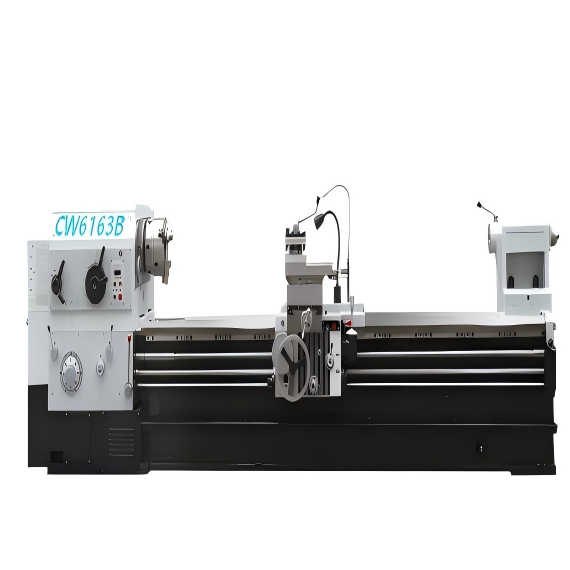
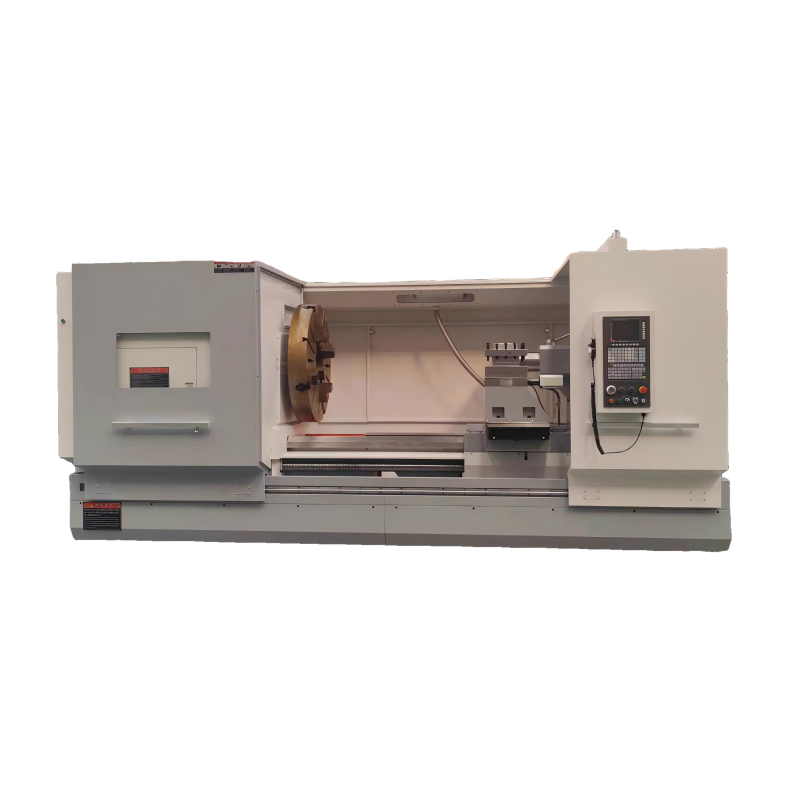
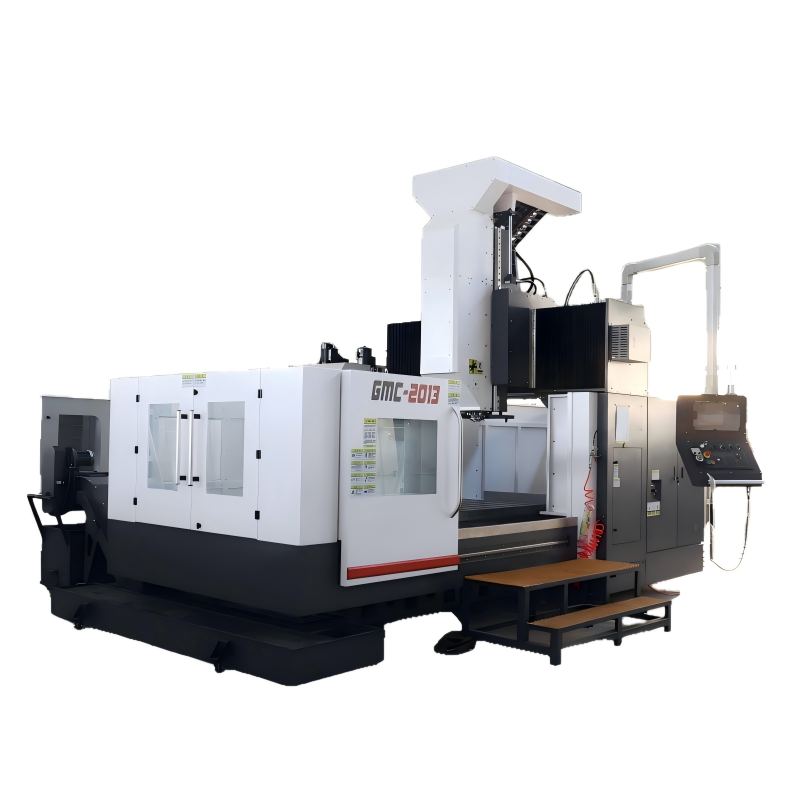
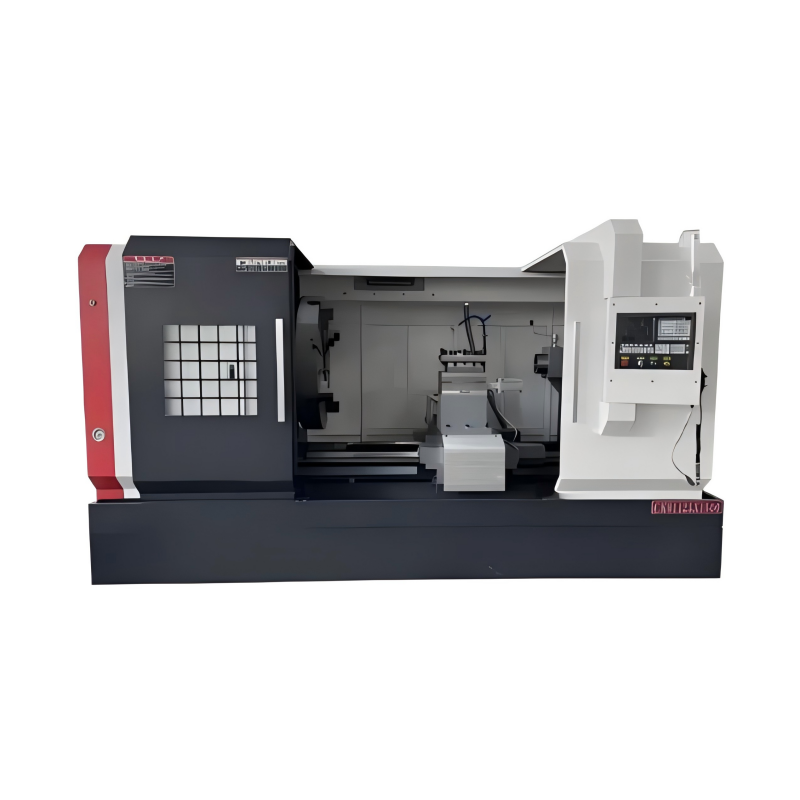
In the ever-evolving landscape of manufacturing, the demand for precision and customization has never been higher. Custom lathe machines stand at the forefront of this revolution, offering unparalleled accuracy and versatility. This report delves into the future of precision with custom lathe machines, exploring their technological advancements, applications, and the impact on the manufacturing industry.
The heart of any modern custom lathe machine is its Computer Numerical Control (CNC) system. Over the years, CNC technology has seen significant improvements, making custom lathe machines more efficient and precise. Advanced algorithms and high-speed processors enable these machines to execute complex operations with minimal human intervention. The integration of artificial intelligence (AI) and machine learning (ML) further enhances the capabilities of custom lathe machines, allowing them to adapt and optimize their performance in real-time. This results in reduced downtime, improved product quality, and increased productivity.
One of the key features of advanced CNC systems is their ability to handle multi-axis machining. Custom lathe machines equipped with 5-axis or even 6-axis capabilities can perform intricate operations that were previously impossible. This level of precision is crucial in industries such as aerospace, automotive, and medical device manufacturing, where tolerances are extremely tight.
One of the most significant advantages of custom lathe machines is their ability to be tailored to specific manufacturing needs. Unlike standard lathes, which have fixed configurations, custom lathe machines can be designed and built to meet the unique requirements of a particular application. This flexibility allows manufacturers to produce a wide range of parts with varying complexities and specifications, from simple cylindrical components to highly detailed and intricate parts.
Customization also extends to the materials that can be processed. Modern custom lathe machines can work with a variety of materials, including metals, plastics, composites, and even exotic alloys. This versatility makes them indispensable in industries that require the use of specialized materials, such as the semiconductor and electronics sectors. Additionally, the ability to integrate various tooling and accessories further enhances the machine's capability to handle diverse manufacturing tasks.
The concept of Industry 4.0, which emphasizes the integration of digital technologies into manufacturing processes, is rapidly transforming the industrial landscape. Custom lathe machines play a crucial role in this transformation by seamlessly integrating with other smart manufacturing systems. These machines can be connected to the Internet of Things (IoT), enabling real-time data collection and analysis. This data can be used to monitor machine performance, predict maintenance needs, and optimize production schedules.
Furthermore, custom lathe machines can be integrated with other advanced technologies such as augmented reality (AR) and virtual reality (VR). AR and VR can be used to train operators, visualize complex operations, and troubleshoot issues in a virtual environment before they occur in the real world. This not only improves operator efficiency but also reduces the risk of errors and downtime.
Another aspect of Industry 4.0 is the use of cloud computing and big data analytics. Custom lathe machines can be connected to cloud-based platforms, allowing manufacturers to access and analyze large amounts of data. This data can provide valuable insights into production trends, equipment performance, and overall operational efficiency. By leveraging these insights, manufacturers can make data-driven decisions, leading to continuous improvement and cost savings.
Sustainability is becoming an increasingly important consideration in the manufacturing industry. Custom lathe machines are being designed with energy efficiency in mind, helping manufacturers reduce their environmental footprint. Advanced power management systems and energy-efficient drives ensure that these machines consume less power while maintaining high performance levels. Additionally, the use of lightweight and durable materials in the construction of the machines contributes to their overall sustainability.
Moreover, custom lathe machines can be programmed to optimize material usage, reducing waste and minimizing the need for rework. This not only saves costs but also reduces the environmental impact of the manufacturing process. Some custom lathe machines are also equipped with recycling systems that can collect and reuse cutting fluids and chips, further enhancing their sustainability.
Looking ahead, the future of custom lathe machines is likely to be shaped by several emerging trends and innovations. One of the most promising areas is the development of hybrid machines that combine the capabilities of lathes with other machining processes, such as milling and grinding. These hybrid machines offer a one-stop solution for complex part manufacturing, reducing the need for multiple machines and improving overall efficiency.
Another area of innovation is the use of additive manufacturing (AM) techniques, such as 3D printing, in conjunction with custom lathe machines. This combination allows for the creation of highly customized and complex parts that would be difficult or impossible to produce using traditional methods. AM can be used to create near-net-shape parts, which can then be finished to high precision using the custom lathe machine.
Finally, the continued advancement of AI and ML will drive the development of smarter and more autonomous custom lathe machines. These machines will be capable of self-optimization, predictive maintenance, and even self-repair, significantly reducing the need for human intervention and further enhancing their precision and reliability.
In conclusion, the future of precision with custom lathe machines is bright and full of potential. Advancements in CNC technology, the ability to customize and integrate with Industry 4.0, and a focus on sustainability and energy efficiency are driving the evolution of these machines. As new trends and innovations continue to emerge, custom lathe machines will play an increasingly important role in shaping the future of manufacturing.
 23/06/2026
Lathe machines have been a cornerstone of manufacturing and engineering for centuries, evolving from simple hand-operated devices to the highly sophisticated, automated systems we see today. Among these, custom lathe machines stand out as solutions tailor
Read More23/06/2026In the rapidly evolving landscape of modern manufacturing, the role of custom lathe machines cannot be overstated. These sophisticated tools have become indispensable for producing components with high precision and efficiency. This report explores recent
Read MoreOur professional sales team is always ready to assist you.