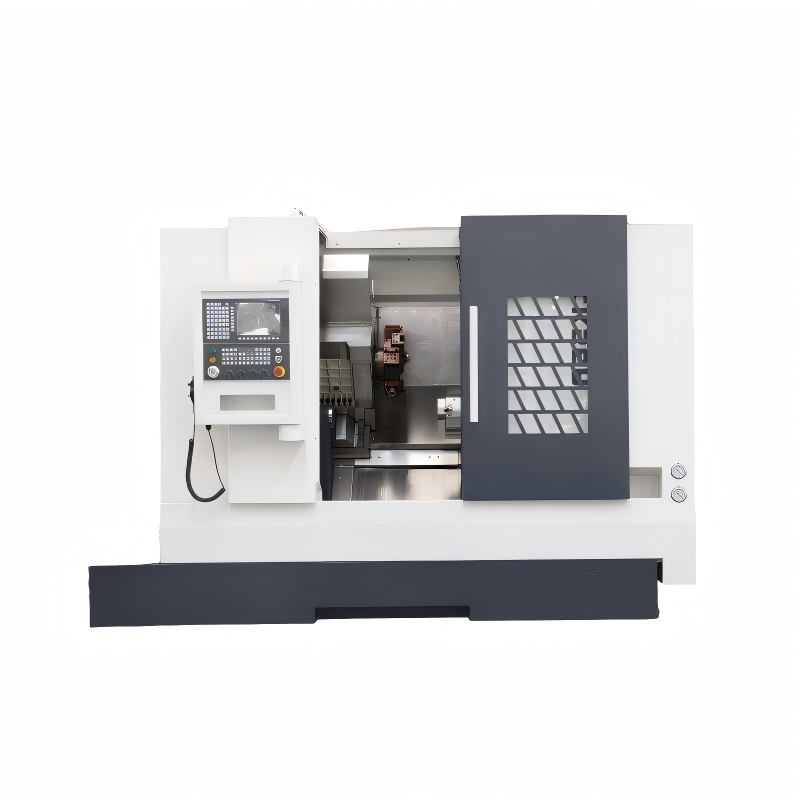
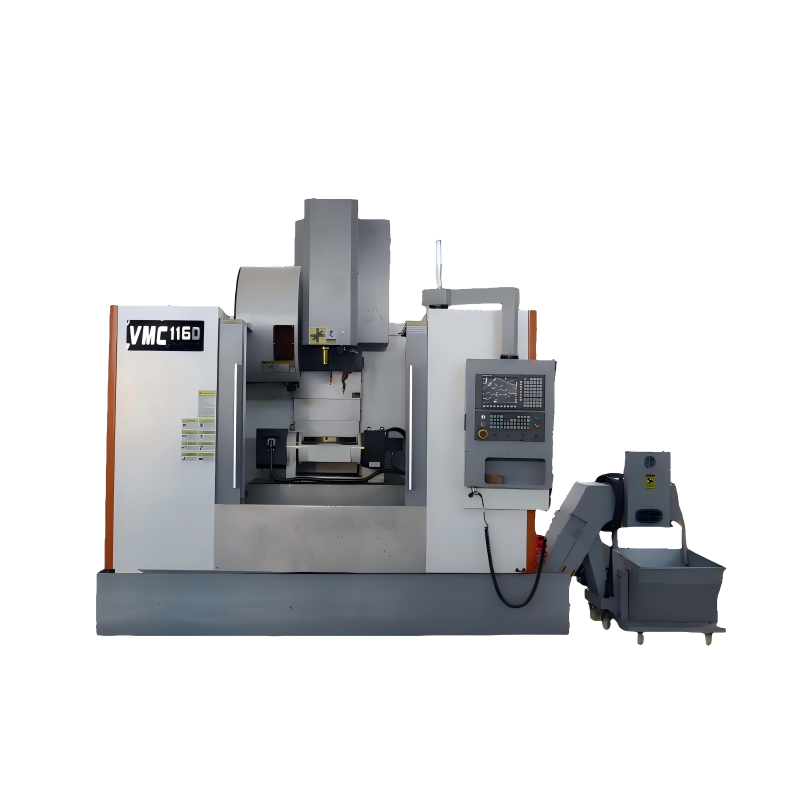
Over the past few decades, China has emerged as a global leader in the manufacturing sector, particularly in the production of advanced machinery. One significant development is the rise of high rigidity CNC Lathe made in China. These machines are designed to handle complex and precise machining tasks, making them indispensable in modern manufacturing. The evolution of Chinese CNC technology has been driven by a combination of factors, including government support, technological innovation, and a growing demand for high-precision components.
High rigidity CNC lathes are characterized by their robust construction, which allows them to maintain accuracy and stability even under heavy loads. This is achieved through the use of high-quality materials and advanced engineering techniques. The rigidity of these lathes is crucial for industries that require high-precision machining, such as aerospace, automotive, and medical device manufacturing. The ability to produce parts with tight tolerances and excellent surface finishes makes these machines highly sought after in the global market.
The introduction of 4 axis heavy Horizontal Machining Centers has revolutionized the way manufacturers approach complex part production. These machines offer an additional axis of movement, typically a rotary table, which allows for more versatile and efficient machining. The 4th axis enables the machine to rotate the workpiece, allowing for the machining of multiple sides without the need for manual repositioning. This not only increases productivity but also improves the overall quality of the finished product.
In the context of modern manufacturing, 4 axis heavy horizontal machining centers have become essential for producing intricate and high-precision components. They are particularly useful in industries where parts require multiple operations, such as milling, drilling, and tapping. The integration of these machines into the manufacturing process has led to significant improvements in efficiency, accuracy, and cost-effectiveness. Manufacturers can now produce complex parts in a single setup, reducing the need for multiple machines and minimizing the risk of errors during the transfer of workpieces.
High rigidity CNC lathes offer several advantages that make them ideal for modern manufacturing environments. One of the primary benefits is their ability to handle heavy and large workpieces with ease. The robust construction of these lathes ensures that they can maintain high levels of precision and accuracy, even when dealing with challenging materials and complex geometries. This is particularly important in industries where the slightest deviation can result in significant quality issues or even safety concerns.
Another advantage of high rigidity CNC lathes is their versatility. These machines can perform a wide range of operations, from turning and threading to facing and grooving. The ability to switch between different tools and operations quickly and efficiently makes them highly adaptable to various manufacturing needs. Additionally, the use of advanced control systems and software allows for the automation of many processes, further enhancing productivity and reducing the potential for human error.
While 4 axis heavy horizontal machining centers offer numerous benefits, their implementation also presents some challenges. One of the main challenges is the initial investment required to purchase and install these machines. The cost of a 4 axis machining center can be significantly higher than that of a 3 axis machine, which may be a barrier for smaller manufacturers. However, the long-term benefits, such as increased productivity and improved part quality, often justify the initial investment.
Another challenge is the need for skilled operators and programmers. 4 axis machining centers require a higher level of expertise to operate and program effectively. Manufacturers must invest in training and development programs to ensure that their workforce is capable of utilizing these machines to their full potential. Additionally, the complexity of the programming required for 4 axis machining can be a hurdle, but advancements in CAD/CAM software have made it easier to generate the necessary toolpaths and G-code.
The future of CNC machining is likely to be shaped by the increasing adoption of automation and artificial intelligence (AI). As manufacturers continue to seek ways to improve efficiency and reduce costs, the integration of automated systems and AI-driven technologies will become more prevalent. For example, the use of robotic arms for loading and unloading workpieces, as well as the implementation of predictive maintenance systems, can significantly enhance the productivity and reliability of CNC machines.
AI and machine learning algorithms can also play a crucial role in optimizing the machining process. By analyzing data from sensors and other monitoring devices, AI can identify patterns and trends that can be used to improve tool life, reduce cycle times, and minimize waste. This data-driven approach to manufacturing can lead to significant cost savings and improved overall performance. As the technology continues to evolve, we can expect to see even more advanced and integrated solutions that further enhance the capabilities of high rigidity CNC lathes and 4 axis heavy horizontal machining centers.
The synergy between high rigidity CNC lathes and 4 axis heavy horizontal machining centers is a testament to the ongoing advancements in manufacturing technology. Both types of machines offer unique advantages that, when combined, create a powerful and versatile manufacturing solution. High rigidity CNC lathes provide the precision and stability needed for complex and high-precision machining tasks, while 4 axis machining centers offer the flexibility and efficiency required for multi-axis operations.
As the manufacturing industry continues to evolve, the integration of these advanced machines will be critical for maintaining a competitive edge. The ability to produce high-quality, complex parts with speed and accuracy is essential for meeting the demands of modern industries. By leveraging the strengths of both high rigidity CNC lathes and 4 axis machining centers, manufacturers can achieve greater productivity, improved part quality, and reduced costs, ultimately driving the growth and success of their businesses.
 22/06/2026
In the rapidly evolving world of manufacturing, high rigidity CNC lathes made in China have emerged as a significant player, offering precision, efficiency, and reliability. This report delves into the future of these machines, exploring their technologic
Read More22/06/2026Introduction to High-Precision MachiningIn the ever-evolving world of manufacturing, high-precision machining has become a cornerstone for achieving superior product quality and efficiency. The integration of advanced technology into traditional machining
Read More19/06/2026High rigidity CNC lathes, especially those made in China, have significantly transformed the landscape of modern industrial processes. These machines are designed to handle heavy-duty operations with precision and efficiency, making them indispensable in
Read More19/06/2026China's manufacturing industry has undergone a significant transformation over the past few decades, evolving from a low-cost producer to a global leader in high-precision machinery. One of the key areas where this transformation is evident is in the prod
Read More18/06/2026In the realm of precision manufacturing, the adoption of advanced machinery plays a pivotal role in enhancing productivity and maintaining high-quality standards. Among these, High rigidity CNC lathe made in China stands out as an exemplary solution, offe
Read More18/06/2026The manufacturing industry has seen significant advancements over the past few decades, with China emerging as a global leader in the production of high-precision machinery. One of the key areas where Chinese manufacturers have excelled is in the developm
Read More17/06/2026In the world of precision manufacturing, selecting the right high rigidity CNC lathe is crucial for achieving optimal performance and efficiency. As China has emerged as a leading producer of high-quality machining equipment, understanding the key factors
Read More17/06/2026Understanding the Core of High Rigidity CNC LathesIn the realm of precision manufacturing, high rigidity CNC lathes stand out as a cornerstone technology. These machines, characterized by their exceptional stability and accuracy, are designed to handle a
Read More16/06/2026In the rapidly evolving landscape of manufacturing, high rigidity CNC lathes made in China have emerged as a pivotal force, reshaping the future of machining. This report delves into the advancements, benefits, and implications of these cutting-edge machi
Read More16/06/2026The manufacturing industry is undergoing a transformative phase, driven by technological advancements and the pursuit of higher efficiency. Among these changes, high rigidity CNC lathes made in China are playing a pivotal role. These machines are not only
Read More15/06/2026China has emerged as a leading player in the global manufacturing sector, particularly when it comes to high-precision machinery. One of the standout products in this category is the high rigidity CNC lathe made in China. These machines are designed to me
Read More15/06/2026The advancement of manufacturing technology has led to the development of more sophisticated and efficient machinery. One such innovation is the high rigidity CNC lathe, a piece of equipment that stands out for its precision, durability, and versatility.
Read MoreOur professional sales team is always ready to assist you.