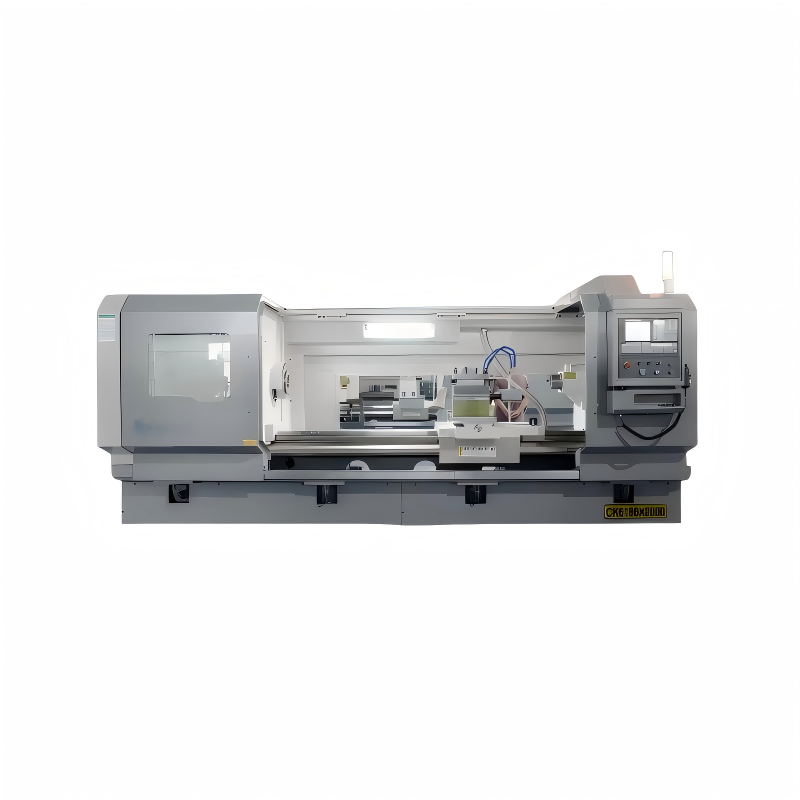
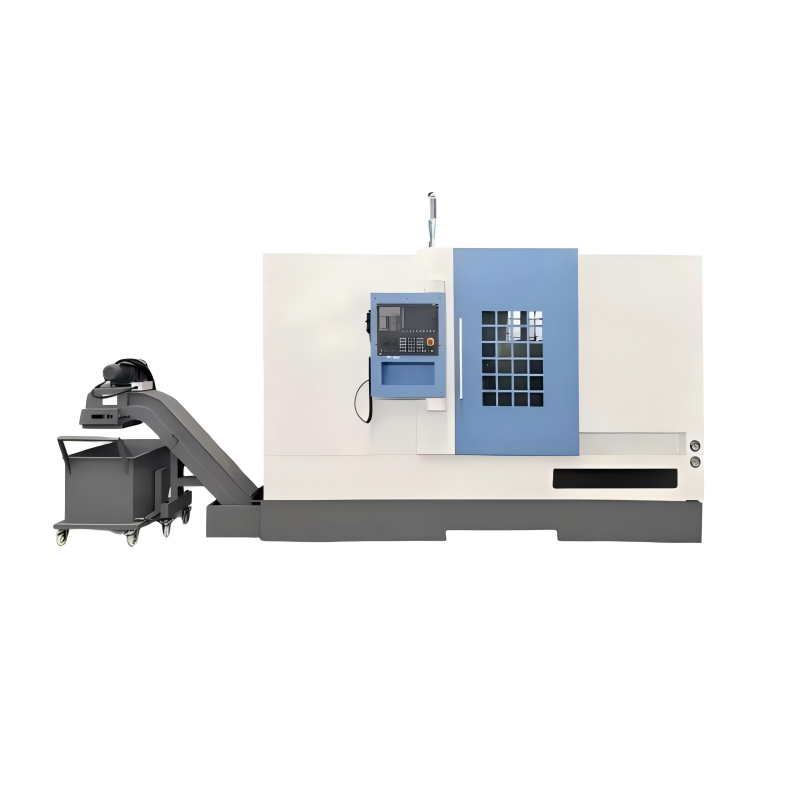
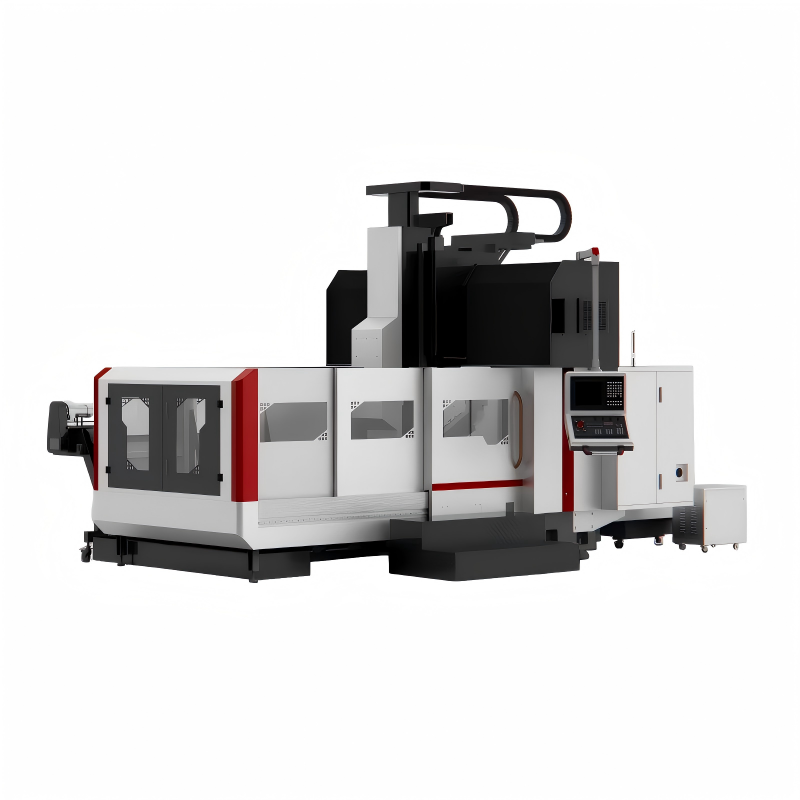
In the realm of precision manufacturing, the CK6186 Flat Bed CNC Lathe stands out as a symbol of technological advancement and industrial prowess. This piece of machinery, designed for high-precision and high-efficiency operations, benefits immensely from the integration of advanced technology. This report delves into how these technological enhancements contribute to the performance of the CK6186 flat bed CNC lathe, examining specific areas where improvements have been most notable.
The incorporation of automation in the CK6186 flat bed CNC Lathe is one of the key factors driving its superior performance. Automation allows for the execution of complex tasks with minimal human intervention, significantly reducing the likelihood of errors that can occur due to manual operation. In this context, the role of advanced control systems becomes paramount. These systems are capable of processing intricate instructions, ensuring that every cut, turn, and drill is executed with unparalleled accuracy. By automating the workflow, manufacturers not only achieve higher levels of precision but also increase operational efficiency, leading to faster production cycles and reduced costs.
Moreover, the use of sophisticated sensors and feedback mechanisms further enhances the machine's capability to maintain consistent quality across large production runs. Real-time monitoring enables operators to make adjustments on the fly, addressing any deviations immediately, thereby maintaining the highest standards of output. This level of control and adaptability is crucial in industries where even the slightest variation in product specifications can lead to significant consequences, such as in aerospace or medical device manufacturing.
Efficient material handling and tool management are critical components in the overall performance of the CK6186 flat bed CNC lathe. Advanced technologies, such as robotic arms and automated tool changers, play a vital role in streamlining these processes. Robotic arms can load and unload workpieces with speed and precision, minimizing downtime between operations. This not only increases the throughput of the machine but also reduces the risk of damage to the parts being processed, which is particularly important when dealing with delicate or high-value materials.
Automated tool changers, on the other hand, ensure that the right tools are used at the right time, without the need for manual intervention. This system can store multiple tools and automatically select and install the appropriate one based on the current task. By doing so, it eliminates the potential for human error in tool selection and speeds up the changeover process, contributing to a more continuous and efficient workflow. Additionally, advanced software can predict tool wear and schedule maintenance, further enhancing the reliability and longevity of the machine.
The application of data analytics and predictive maintenance techniques is another area where the CK6186 flat bed CNC lathe manufacturer has made significant strides. Modern CNC lathes are equipped with a range of sensors that collect data on various parameters, including temperature, vibration, and power consumption. This data is then analyzed using sophisticated algorithms to identify patterns and trends that can indicate potential issues before they become serious problems.
Predictive maintenance, enabled by these analytics, allows for proactive servicing and repairs, reducing the likelihood of unexpected breakdowns and extending the life of the machine. For instance, if a sensor detects an abnormal increase in vibration, the system can alert the operator to inspect the relevant components. Early detection and correction of such issues can prevent costly downtime and extend the overall lifespan of the lathe. Furthermore, this approach helps in optimizing maintenance schedules, ensuring that the machine operates at peak performance while minimizing unnecessary maintenance activities.
The integration of Internet of Things (IoT) and cloud computing technologies is revolutionizing the way the CK6186 flat bed CNC lathe operates. IoT devices allow for seamless connectivity between the machine and other systems within the manufacturing environment, enabling real-time data exchange and remote monitoring. This connectivity facilitates better coordination and communication, leading to improved operational efficiency and responsiveness.
Cloud computing, on the other hand, provides the infrastructure for storing and processing large volumes of data generated by the lathe. This data can be accessed and analyzed from anywhere, allowing for centralized management and decision-making. For example, managers can monitor the performance of multiple machines across different locations, identify bottlenecks, and implement corrective measures in real-time. Additionally, cloud-based platforms can support advanced features such as predictive analytics, machine learning, and artificial intelligence, further enhancing the capabilities of the CK6186 flat bed CNC lathe.
The CK6186 flat bed CNC lathe manufacturer has leveraged advanced technologies to significantly enhance the performance, efficiency, and reliability of their machines. Through automation, precise material handling, data analytics, and the integration of IoT and cloud computing, the CK6186 has become a cornerstone of modern manufacturing. As technology continues to evolve, it is expected that these advancements will continue to drive innovation and improve the capabilities of CNC lathes, ensuring that they remain at the forefront of precision manufacturing.
 16/06/2026
In the ever-evolving landscape of precision manufacturing, the adoption of advanced machinery is not just a choice but a necessity. One such machine that stands out in this domain is the CK6186 flat bed CNC lathe. This piece of equipment, when integrated
Read More16/06/2026The field of precision machining has seen significant advancements over the years, with CNC (Computer Numerical Control) technology playing a pivotal role in driving these changes. This report delves into the intricate world of advanced milling machine sy
Read More16/06/2026China, a global leader in manufacturing, has seen a significant rise in the production and export of advanced machinery, including big bore CNC lathes. Among these, the CK6186 flat bed CNC lathe stands out as a versatile and reliable choice for various in
Read More16/06/2026Understanding the Core Components of a Modern CNC Machining CenterThe advancement in technology has revolutionized the manufacturing industry, with Computer Numerical Control (CNC) machining centers at the forefront. These sophisticated machines, such as
Read More16/06/2026The Evolution of CNC Lathes and the CK6186 ModelIn the ever-evolving world of manufacturing, precision and efficiency are paramount. The introduction of Computer Numerical Control (CNC) lathes has revolutionized the way parts are machined, offering unpara
Read More15/06/2026As manufacturing processes continue to evolve, the importance of precision machining cannot be overstated. One of the key tools in achieving this level of accuracy is the flat bed CNC lathe. This article aims to explore the capabilities and benefits of us
Read More15/06/2026The CK6186 flat bed CNC lathe has become a cornerstone in the modern manufacturing industry, offering unparalleled precision and efficiency. This technical report aims to explore the advantages of the CK6186 in contemporary manufacturing settings, highlig
Read More05/06/2026The future of metalworking is rapidly evolving, driven by advancements in technology and the increasing demand for precision and efficiency. One model that stands out in this landscape is the CK6186, a cutting-edge machine designed to meet the needs of mo
Read More05/06/2026CK6186, a high-precision CNC lathe, is designed to meet the demands of high-volume turning operations. This machine offers exceptional performance and reliability, making it an ideal choice for industries requiring consistent and accurate machining. In th
Read MoreOur professional sales team is always ready to assist you.