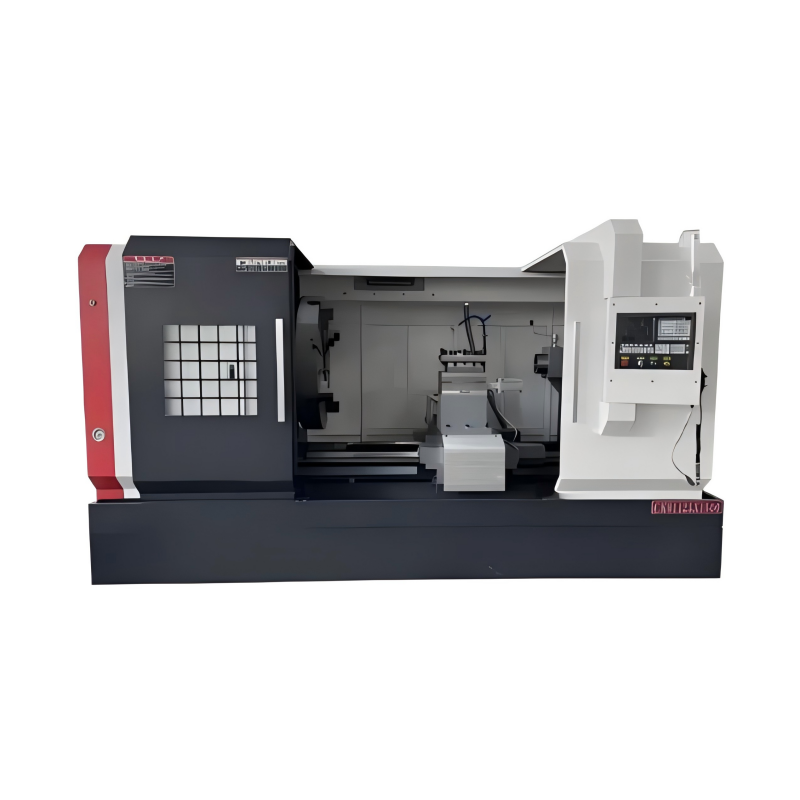
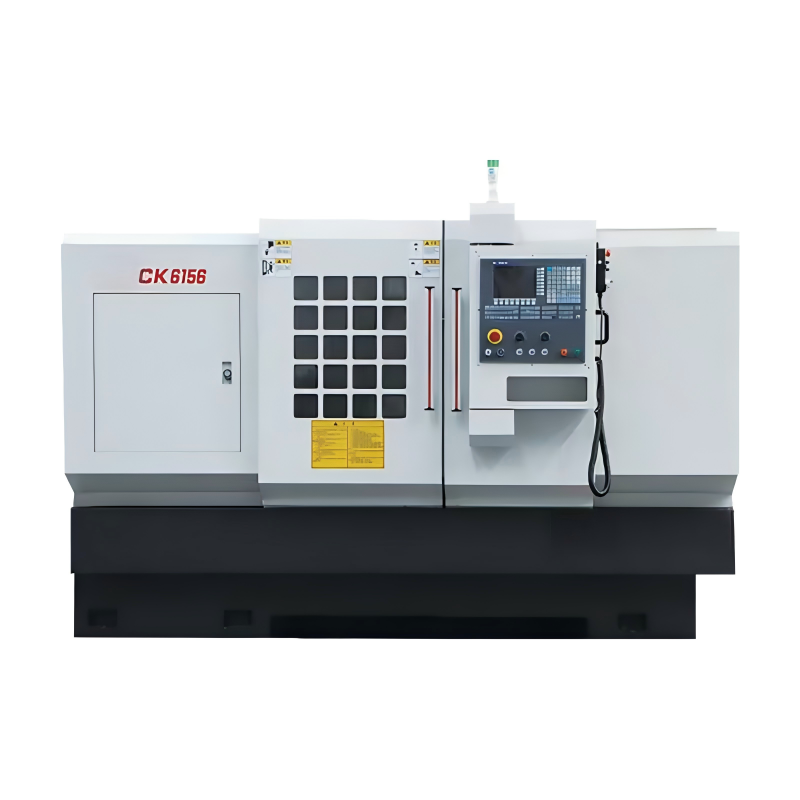
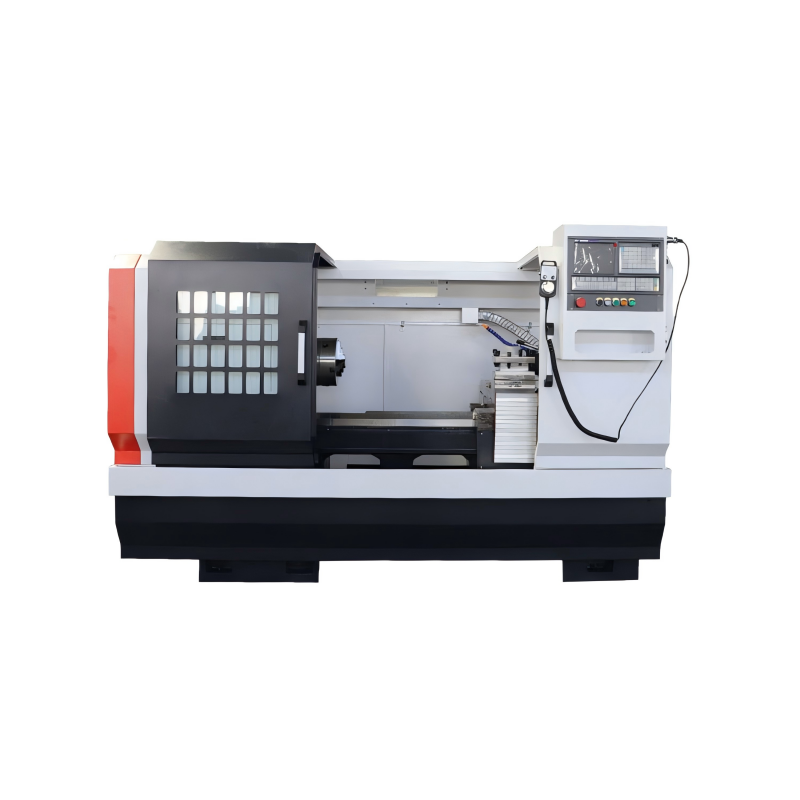
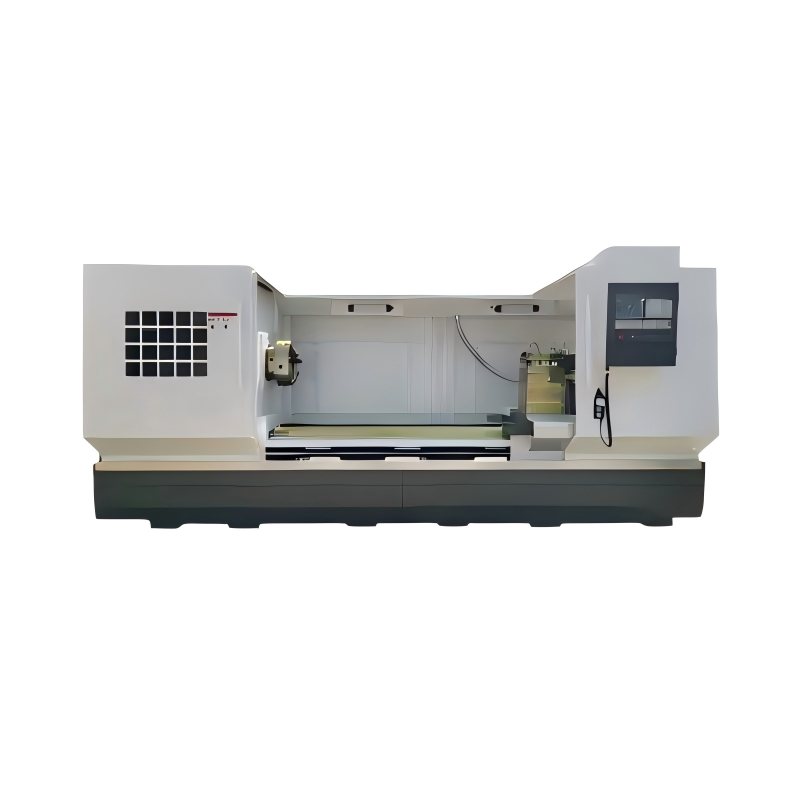
In the industrial sector, precision and efficiency are paramount. One of the key technologies that have revolutionized the manufacturing process is CNC (Computer Numerical Control) machining. Among the various types of CNC machines, horizontal CNC Lathes play a critical role, especially in the production of components that require high accuracy and complex geometries. A notable example is the application of CNC pipe threading, which has become indispensable in numerous industries. This report delves into the significance of CNC pipe threading, with a focus on its role in industrial applications, and explores how horizontal CNC lathe manufacturers in China contribute to this field.
Precision is a non-negotiable requirement in pipe threading, as even minor deviations can lead to leaks, malfunctions, and safety hazards. Traditional manual methods of threading pipes often result in inconsistencies, which can compromise the integrity of the entire system. CNC pipe threading, on the other hand, ensures consistent and accurate results, thanks to the precise control offered by computer-aided programming. Horizontal CNC lathes, in particular, are designed to handle a wide range of materials and diameters, making them versatile tools for producing high-quality threaded pipes. This level of precision is crucial in industries such as oil and gas, where the reliability of pipelines is essential for both operational efficiency and environmental safety.
One of the most significant advantages of using CNC pipe threading is the substantial increase in efficiency and productivity. Unlike manual processes, which are time-consuming and labor-intensive, CNC machines can operate continuously with minimal human intervention. This not only speeds up the production process but also reduces the likelihood of human error. Horizontal CNC lathe manufacturers in China have been at the forefront of developing advanced machines that can perform multiple operations simultaneously, further enhancing productivity. These machines are equipped with features such as automatic tool changers, high-speed spindles, and advanced control systems, which allow for seamless and rapid production. The ability to produce large volumes of threaded pipes with consistent quality makes CNC pipe threading an attractive solution for industries that require high throughput, such as construction and automotive manufacturing.
Another key advantage of CNC pipe threading is the flexibility it offers in terms of customization. Industrial applications often require pipes with specific thread patterns, pitches, and sizes, which can be challenging to achieve with traditional methods. CNC machines, however, can be programmed to produce threads according to exact specifications, allowing for a high degree of customization. Horizontal CNC lathes, in particular, are capable of handling a wide range of pipe diameters and materials, from small-diameter stainless steel pipes to large-diameter carbon steel pipes. This versatility is particularly valuable in industries such as petrochemicals and water treatment, where the requirements for pipe threading can vary significantly. Additionally, the ability to quickly reprogram the machine for different jobs means that manufacturers can easily adapt to changing customer demands, thereby reducing lead times and increasing overall competitiveness.
While the initial investment in CNC pipe threading equipment may be higher compared to traditional methods, the long-term benefits far outweigh the costs. The increased efficiency and productivity of CNC machines lead to lower labor costs and reduced material waste, resulting in significant cost savings over time. Moreover, the high precision and consistency of CNC-produced threads reduce the need for rework and maintenance, further lowering operational costs. Horizontal CNC lathe manufacturers in China have been instrumental in driving down the costs of these machines through advancements in technology and economies of scale. As a result, more and more companies are adopting CNC pipe threading, recognizing the long-term financial and operational benefits it provides. In addition, the durability and reliability of CNC-machined threads contribute to the longevity of the products, ensuring that they meet the stringent quality standards required in various industrial applications.
In today’s industrial landscape, environmental and safety considerations are increasingly important. CNC pipe threading contributes to these goals by minimizing material waste and reducing the risk of accidents. The precision of CNC machines ensures that the amount of material removed during the threading process is optimized, leading to less scrap and a more sustainable manufacturing process. Furthermore, the automated nature of CNC machines reduces the exposure of workers to hazardous conditions, such as sharp edges and moving parts. Horizontal CNC lathe manufacturers in China are also incorporating safety features such as emergency stop buttons, protective enclosures, and advanced monitoring systems to enhance workplace safety. By prioritizing these aspects, CNC pipe threading not only meets the technical requirements of industrial applications but also aligns with the broader goals of environmental sustainability and worker well-being.
In conclusion, CNC pipe threading has become an indispensable technology in the industrial sector, offering unparalleled precision, efficiency, and flexibility. Horizontal CNC lathes, manufactured by companies in China, play a vital role in enabling these benefits. As the demand for high-quality, reliable, and customizable threaded pipes continues to grow, the adoption of CNC pipe threading is likely to increase, driving further innovation and improvements in the manufacturing process.
 22/06/2026
In the realm of modern manufacturing, the significance of CNC (Computer Numerical Control) machines cannot be overstated. Among these, the role of CNC pipe threading machines is particularly crucial for industries requiring precision and efficiency. This
Read More22/06/2026When it comes to the selection of a high-performance CNC machining center, especially for those in search of a horizontal CNC lathe manufacturer in China, several key features stand out. These characteristics not only ensure the machine's efficiency and l
Read More22/06/2026The global landscape of manufacturing is undergoing a significant transformation, driven by advancements in technology and shifting economic dynamics. One key player in this evolution is China, which has emerged as a leading exporter of CNC (Computer Nume
Read More22/06/2026The evolution of manufacturing technology has been a continuous journey, with each advancement marking a significant leap in efficiency and precision. Among the many tools that have revolutionized the industry, CNC (Computer Numerical Control) machining c
Read More14/06/2026China, a global leader in manufacturing, has seen significant advancements in its horizontal CNC lathe industry. These developments have not only transformed the production processes but also improved the quality and efficiency of the machines produced. T
Read More14/06/2026When it comes to precision machining, the choice of a high-quality Horizontal CNC lathe is crucial. For manufacturers and machine shops in China, selecting the right equipment can significantly impact productivity, efficiency, and the quality of the final
Read More14/06/2026China has emerged as a significant player in the global manufacturing sector, particularly within the realm of horizontal CNC lathes. This technical report aims to explore the role that Chinese manufacturers play in the international market for these prec
Read More14/06/2026In the realm of modern manufacturing, precision and quality are paramount. As technology advances, so too does the demand for machinery that can meet these high standards. One such machine is the Horizontal CNC lathe, a tool that has revolutionized machin
Read More14/06/2026Horizontal CNC lathes have become an integral part of modern manufacturing, offering precision, efficiency, and versatility in the production of complex parts. Leading Horizontal CNC lathe manufacturer China has been at the forefront of this technological
Read More14/06/2026Horizontal CNC lathes have become an indispensable tool in modern manufacturing, providing high precision, efficiency, and versatility. In recent years, China has emerged as a significant player in the global market for these machines, with numerous Horiz
Read More14/06/2026Understanding the Importance of Horizontal CNC Lathes in Modern ManufacturingThe role of horizontal Computer Numerical Control (CNC) lathes in today's manufacturing landscape cannot be overstated. These machines are fundamental to achieving precision, eff
Read More14/06/2026China, a country renowned for its manufacturing prowess, has been at the forefront of technological advancements in various industrial sectors. One such area where Chinese manufacturers have made significant strides is in the production of Horizontal CNC
Read More14/06/2026China has emerged as a significant player in the global manufacturing industry, with horizontal CNC lathe manufacturers leading the way in innovation and technological advancements. These developments not only reflect the country's commitment to industria
Read More14/06/2026When it comes to selecting the right Horizontal CNC lathe manufacturer China for your specific needs, there are several key factors that must be considered. This decision is not only about finding a reliable supplier but also ensuring that the machinery m
Read More14/06/2026Horizontal CNC lathes have become an indispensable part of modern manufacturing, especially in the context of precision and efficiency. As a leading Horizontal CNC lathe manufacturer China, the country has significantly contributed to the global manufactu
Read More14/06/2026China has become a global hub for manufacturing, particularly in the production of high-precision machinery such as Horizontal CNC lathes. This article delves into the landscape of top-quality Horizontal CNC lathe manufacturers in China, providing insight
Read More14/06/2026China has emerged as a leading player in the global manufacturing industry, particularly when it comes to the production of high-precision machinery. One such area where Chinese manufacturers have made significant strides is in the development and product
Read MoreOur professional sales team is always ready to assist you.