Introduction to CNC Vertical Machining Centers in Automotive Parts Production
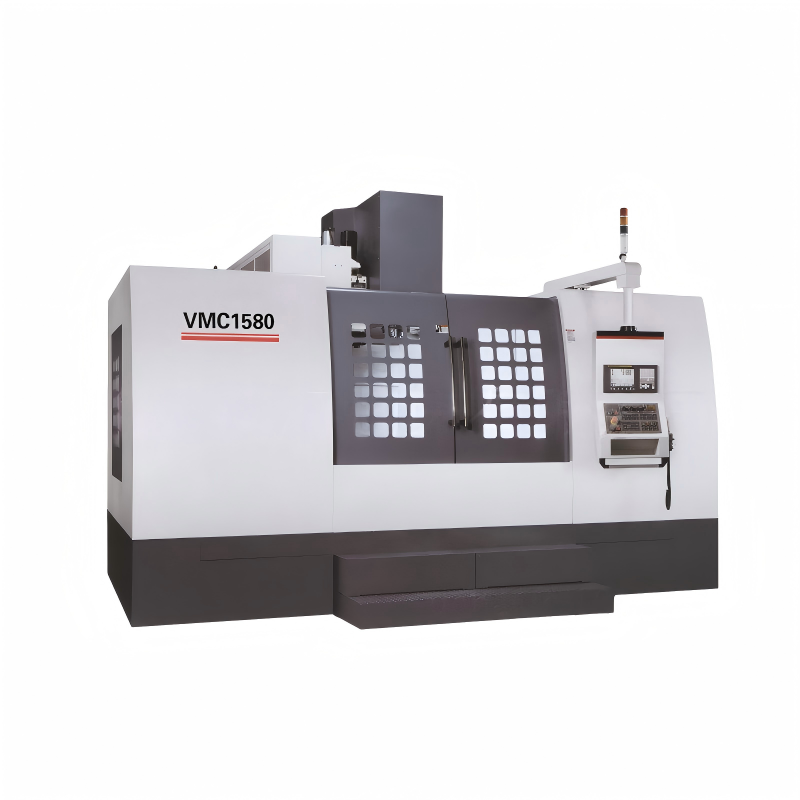
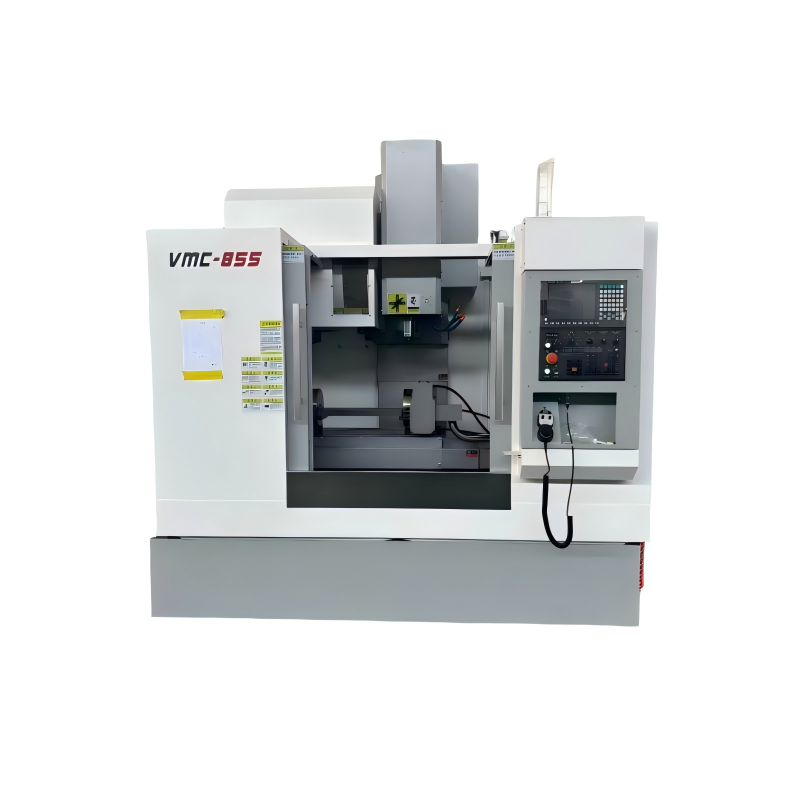
The automotive industry is one of the most technologically advanced and competitive sectors globally, constantly pushing the boundaries of innovation. A key enabler in this relentless pursuit of excellence is the CNC Vertical Machining Center. These machines play a pivotal role in the production of high-precision automotive parts, ensuring that components meet stringent quality standards. This report delves into the significance of CNC Vertical Machining Centers in the automotive parts production process, highlighting their capabilities, benefits, and the impact they have on the overall manufacturing efficiency.
Enhancing Precision and Consistency with CNC Technology
One of the primary advantages of using a CNC vertical machining center in automotive parts production is the unparalleled precision and consistency it offers. Traditional manual machining methods are prone to human error, leading to variations in part dimensions and surface finishes. In contrast, CNC technology allows for the precise control of cutting tools, ensuring that each part is manufactured to exact specifications. This level of accuracy is critical in the automotive industry, where even the slightest deviation can affect the performance and safety of a vehicle.
CNC vertical machining centers are equipped with advanced software that can interpret complex designs and translate them into highly accurate toolpaths. This capability enables the production of intricate and sophisticated parts, such as engine components, transmission gears, and suspension parts, with minimal errors. The repeatability of CNC processes ensures that every part produced is identical, which is essential for maintaining the quality and reliability of automotive products.
Increasing Productivity and Efficiency
Another significant benefit of CNC vertical machining centers is their ability to increase productivity and efficiency in the manufacturing process. These machines can operate continuously, 24/7, with minimal supervision, allowing for higher output rates compared to manual machining. The automation of the machining process reduces the need for human intervention, thereby minimizing downtime and labor costs.
Moreover, CNC vertical machining centers can handle multiple operations in a single setup, reducing the need for repositioning and retooling. This feature, known as multi-tasking or multi-axis machining, significantly cuts down on cycle times and improves overall throughput. For example, a CNC vertical machining center can perform drilling, milling, and tapping operations sequentially without the need to transfer the workpiece to different machines, streamlining the production process and enhancing efficiency.
Flexibility and Adaptability in Manufacturing
The automotive industry is characterized by rapid changes in design and technology, necessitating flexible and adaptable manufacturing solutions. CNC vertical machining centers offer the flexibility to quickly switch between different part designs and materials, making them ideal for both high-volume and low-volume production runs. The ability to reprogram the machine for new tasks with relative ease ensures that manufacturers can respond swiftly to market demands and technological advancements.
Additionally, CNC vertical machining centers can be integrated with other manufacturing systems, such as robotic arms and automated material handling systems, to create a fully automated production line. This integration not only enhances the efficiency of the manufacturing process but also reduces the risk of human error and improves workplace safety. The adaptability of CNC technology allows for seamless integration with Industry 4.0 initiatives, enabling real-time data collection and analysis for continuous improvement.
Conclusion: The Future of Automotive Parts Manufacturing
In conclusion, CNC vertical machining centers are indispensable in the modern automotive parts production landscape. Their ability to deliver high precision, consistency, and efficiency, coupled with their flexibility and adaptability, makes them a cornerstone of the industry. As the automotive sector continues to evolve, driven by trends such as electrification and autonomous driving, the role of CNC vertical machining centers will only become more crucial. Manufacturers who invest in these advanced technologies will be well-positioned to meet the challenges and opportunities of the future, ensuring the continued growth and success of the automotive industry.

 23/06/2026



