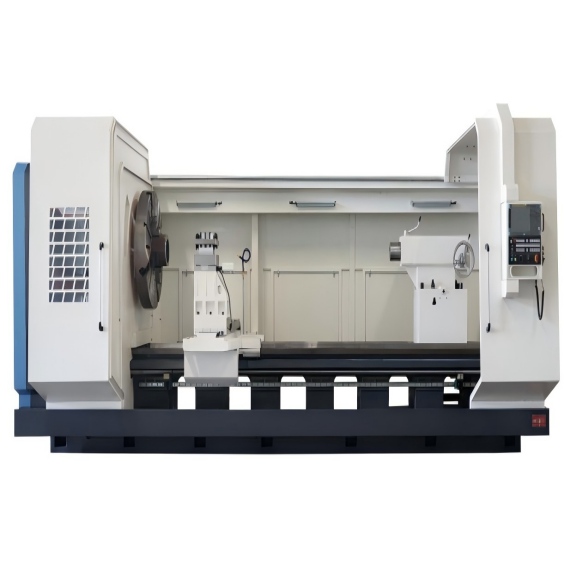
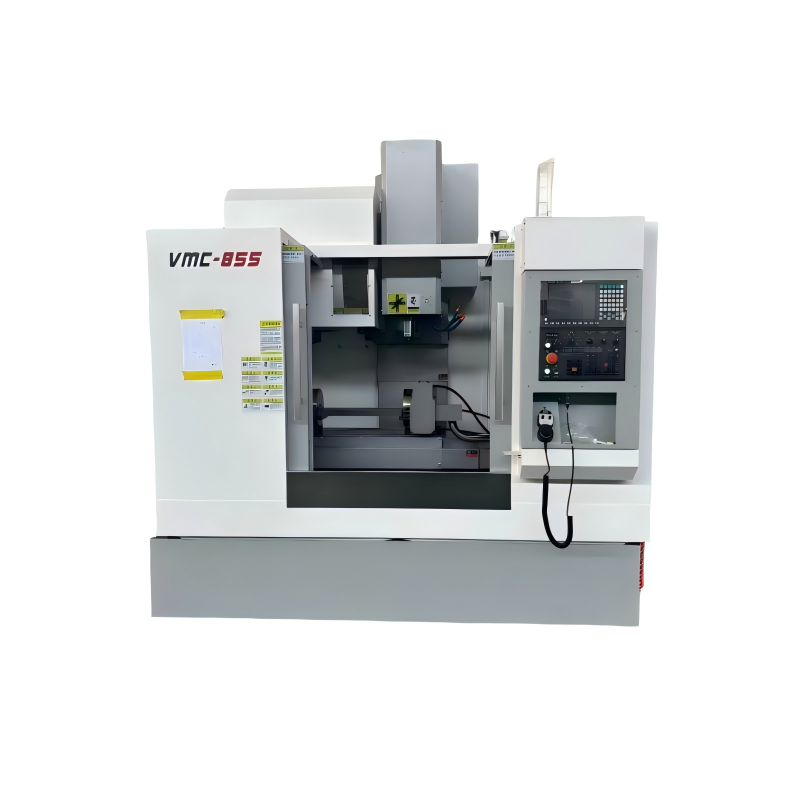
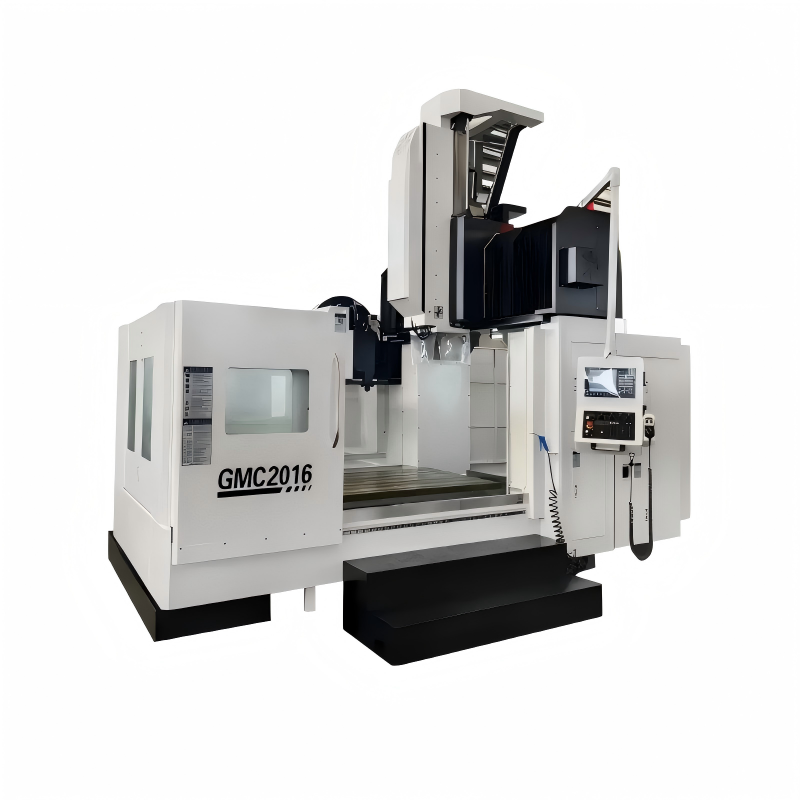
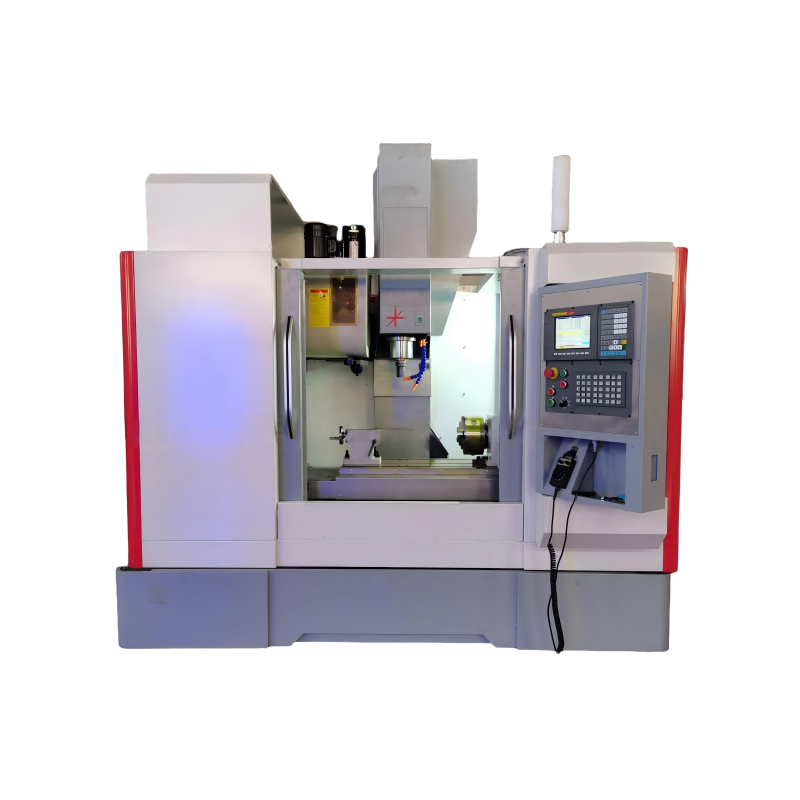
The development of modern manufacturing has been significantly influenced by advancements in machine tools, with Horizontal 2-Axis CNC Lathes playing a pivotal role. These machines have revolutionized the way parts are machined, offering unparalleled precision and efficiency. This report delves into the critical functions of Horizontal 2-Axis CNC Lathes in today's manufacturing landscape, highlighting their impact on production processes, quality control, and overall industry productivity.
One of the most significant advantages of using a Horizontal 2-Axis CNC Lathe is its ability to achieve high levels of precision and consistency in machining operations. Unlike manual lathes, which rely heavily on the skill and experience of the operator, CNC lathes are programmed to perform specific tasks with minimal human intervention. This programming ensures that every part produced meets the exact specifications, reducing the likelihood of errors and inconsistencies. The use of advanced software and sensors allows for real-time monitoring and adjustments, further enhancing the accuracy of the machining process. As a result, manufacturers can produce complex and intricate parts with tight tolerances, which is essential in industries such as aerospace, automotive, and medical devices.
Another key benefit of Horizontal 2-Axis CNC Lathes is their ability to increase production efficiency while reducing costs. These machines can operate continuously without the need for frequent breaks or shifts, allowing for 24/7 production. The automation provided by CNC technology also means that fewer operators are required to manage the machines, leading to lower labor costs. Additionally, the high-speed cutting capabilities of these lathes enable faster material removal rates, which translates to shorter cycle times and higher throughput. The ability to load and unload parts automatically through the use of robotic systems further streamlines the production process, minimizing downtime and maximizing productivity. By optimizing the use of materials and reducing waste, manufacturers can achieve significant cost savings, making their operations more competitive in the global market.
Modern manufacturing requires flexibility and adaptability to meet the ever-changing demands of the market. Horizontal 2-Axis CNC Lathes offer this flexibility by allowing for quick and easy reprogramming to accommodate new designs or modifications. This capability is particularly valuable in industries where product lifecycles are short and frequent changes are necessary. The ability to switch between different part types and sizes without extensive setup time enables manufacturers to respond rapidly to customer requests and market trends. Furthermore, the integration of CAD/CAM (Computer-Aided Design/Computer-Aided Manufacturing) software with CNC lathes facilitates seamless design-to-production workflows, ensuring that new products can be brought to market quickly and efficiently. This level of flexibility not only enhances the competitiveness of manufacturers but also supports innovation and continuous improvement in the manufacturing process.
Quality control is a critical aspect of any manufacturing operation, and Horizontal 2-Axis CNC Lathes play a vital role in ensuring the highest standards of quality. The precision and consistency of these machines help to minimize defects and variations in the finished products. Advanced CNC systems often include built-in quality control features, such as in-process inspection and measurement, which allow for real-time monitoring and adjustment of the machining process. This ensures that any deviations from the specified parameters are detected and corrected immediately, preventing the production of defective parts. Additionally, the use of data logging and traceability features enables manufacturers to track the entire production history of each part, from raw material to finished product. This level of traceability is crucial for meeting regulatory requirements and maintaining customer trust, especially in industries where safety and reliability are paramount.
Sustainability is becoming an increasingly important consideration in modern manufacturing, and Horizontal 2-Axis CNC Lathes contribute to more sustainable practices in several ways. Firstly, the high efficiency and low waste generation of these machines help to reduce the environmental impact of production. By optimizing material usage and minimizing scrap, manufacturers can conserve resources and reduce their carbon footprint. Secondly, the long service life and durability of CNC lathes mean that they require less frequent replacement, further reducing the environmental impact associated with the production and disposal of machinery. Additionally, many modern CNC lathes are designed with energy-efficient components and features, such as regenerative braking and variable speed drives, which help to lower energy consumption and operating costs. By adopting these sustainable practices, manufacturers can not only improve their environmental performance but also enhance their reputation and appeal to environmentally conscious customers.
In conclusion, Horizontal 2-Axis CNC Lathes have become indispensable tools in modern manufacturing, offering a range of benefits that enhance precision, efficiency, flexibility, quality, and sustainability. As the technology continues to evolve, these machines will likely play an even more significant role in shaping the future of the manufacturing industry.
 22/06/2026
In the realm of precision machining, the Horizontal 2-Axis CNC Lathe stands as a cornerstone for manufacturers seeking to produce high-quality parts with efficiency. This machine's versatility and capability in turning operations make it an essential tool
Read More22/06/2026The advent of computer numerical control (CNC) technology has revolutionized the manufacturing industry, enabling precise and efficient production processes. Among the various types of CNC machines, the Horizontal 2-Axis CNC Lathe stands out for its versa
Read MoreOur professional sales team is always ready to assist you.