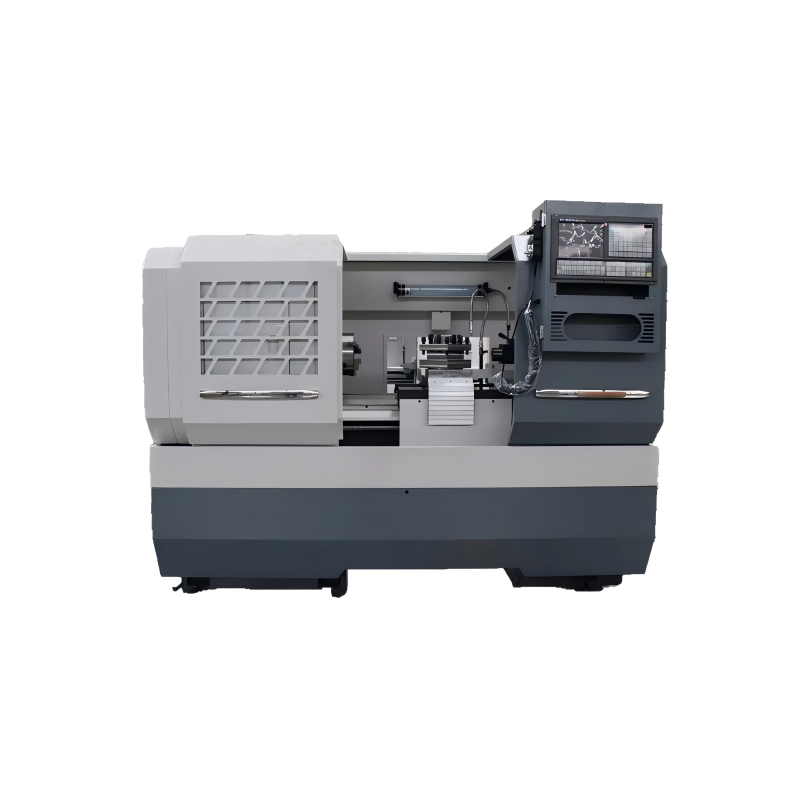
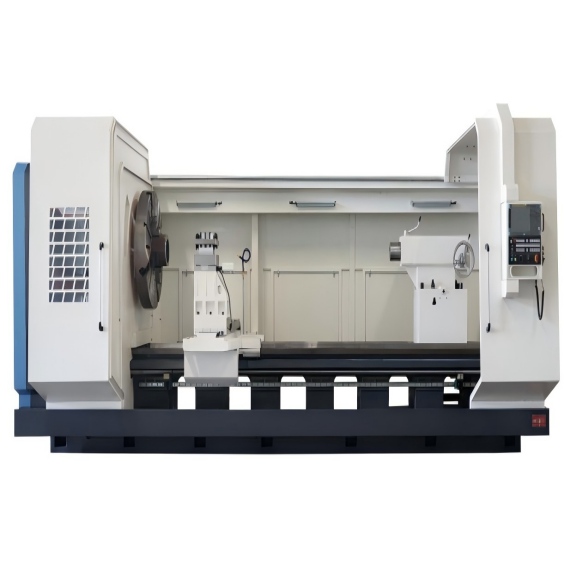
The world of machining has seen a significant transformation with the advent of Computer Numerical Control (CNC) technology, which includes the CNC pipe threading lathe. This equipment is specifically designed to create threads on pipes, making it an essential tool for industries that require precise and consistent thread cutting. A CNC pipe threading lathe operates by following pre-programmed instructions, allowing for high levels of accuracy and repeatability. The process begins with inputting the desired thread specifications into the machine's control system. The lathe then uses this information to automatically cut threads according to the set parameters, ensuring uniformity across all pieces. Understanding these basics is crucial for anyone looking to invest in or operate a CNC pipe threading lathe.
Before diving into the specifics of selecting a CNC pipe threading lathe, it's important to assess your workshop's requirements. This step involves considering factors such as the types of materials you will be working with, the volume of production, and the level of precision required. For instance, if your operations involve handling a variety of pipe sizes, choosing a model with adjustable chuck sizes can significantly enhance versatility. Additionally, understanding the maximum diameter and length of pipes your lathe needs to handle will help narrow down suitable options. It's also beneficial to consider future growth; investing in a slightly more capable machine now could save you from having to upgrade sooner than expected. By carefully evaluating these aspects, you ensure that the selected CNC pipe threading lathe not only meets current demands but also supports potential expansion.
When it comes to purchasing a CNC pipe threading lathe, several key features should be taken into account to ensure optimal performance and longevity. Firstly, the rigidity of the machine frame is critical, as it directly affects the stability during operation, thereby influencing the quality of the threads produced. High-quality lathes are typically constructed from cast iron or similar heavy-duty materials to minimize vibrations. Another important feature is the spindle speed range, which determines the flexibility of the lathe in accommodating different materials and thread pitches. A wider speed range allows for better adaptability. Furthermore, the type of control system used (e.g., Siemens, Fanuc) plays a significant role in the ease of programming and overall efficiency. Lastly, look for models equipped with advanced safety features, such as emergency stop buttons and automatic shutdown mechanisms, to protect both the operator and the machinery. These elements collectively contribute to a reliable, efficient, and safe working environment.
Once you have a clear understanding of what your workshop requires, the next step is to compare different models and brands of CNC pipe threading lathes. Each manufacturer offers unique features and benefits, so it's important to do thorough research. Start by looking at reputable manufacturers known for their quality and reliability. Consider factors such as the reputation of the brand, customer reviews, and after-sales support. Some brands may offer additional services like training, maintenance packages, or extended warranties, which can add value to your investment. Additionally, comparing technical specifications, such as power consumption, maximum load capacity, and automation capabilities, can provide insights into how well each model aligns with your specific needs. By carefully weighing these aspects, you can make a well-informed decision that best suits your operational requirements and budget constraints.
To maximize the lifespan and efficiency of your CNC pipe threading lathe, regular maintenance is indispensable. Proper care not only ensures consistent performance but also helps prevent costly repairs and downtime. Key maintenance tasks include lubricating moving parts, checking and tightening bolts, and inspecting the condition of the cutting tools. Regularly cleaning the machine to remove debris and chips is also crucial, as accumulated material can interfere with the lathe's operation. Additionally, keeping the software up-to-date and performing periodic calibration checks can further enhance the machine's accuracy and reliability. Establishing a comprehensive maintenance schedule and training staff on proper usage and upkeep practices are fundamental steps in safeguarding your investment. By adhering to these guidelines, you can ensure that your CNC pipe threading lathe remains a valuable asset to your workshop for years to come.
 16/06/2026
The advent of advanced CNC (Computer Numerical Control) pipe threading lathe technologies has significantly transformed the manufacturing landscape, particularly in sectors that rely heavily on precision and efficiency. This document aims to explore how t
Read More16/06/2026In the world of precision engineering, a CNC pipe threading lathe is an indispensable tool for creating threads on pipes and other cylindrical parts. These machines are designed to provide high accuracy and repeatability, making them ideal for both small-
Read More16/06/2026The advent of Computer Numerical Control (CNC) technology has significantly transformed various industries, including the plumbing sector. One of the most notable innovations is the CNC pipe threading lathe, which has revolutionized how pipes are threaded
Read More16/06/2026In the realm of modern machining, the CNC pipe threading lathe stands out as a remarkable innovation, combining precision with efficiency. This report delves into the intricacies of this advanced machinery, exploring its technical specifications, operatio
Read MoreOur professional sales team is always ready to assist you.