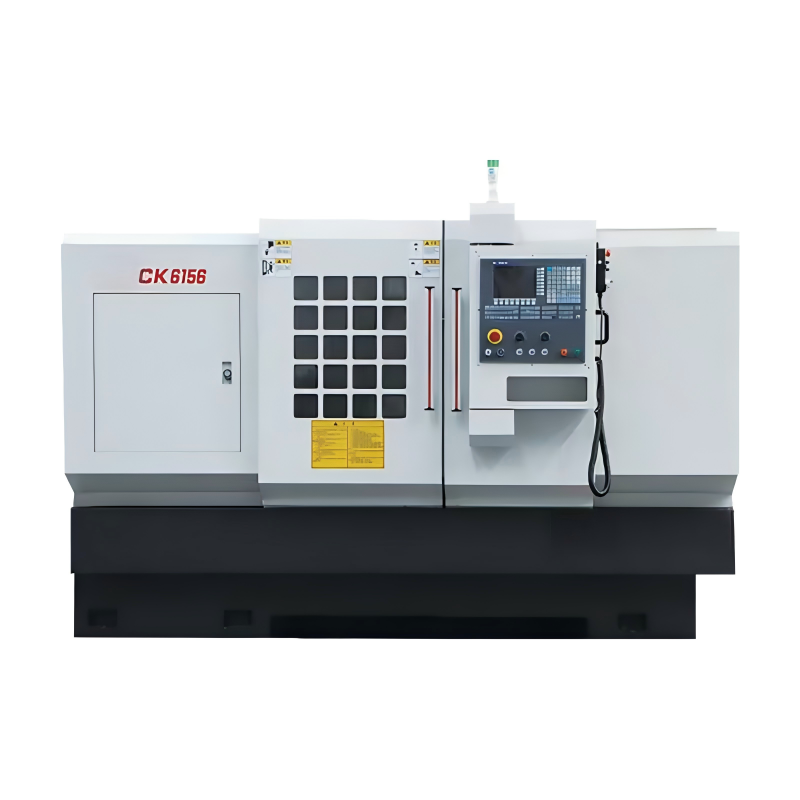
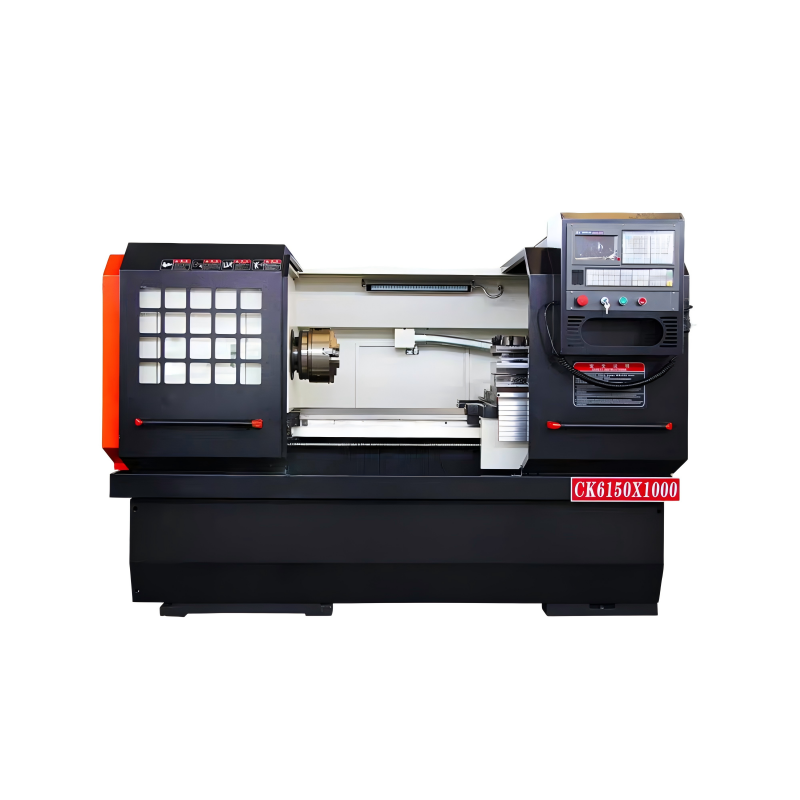
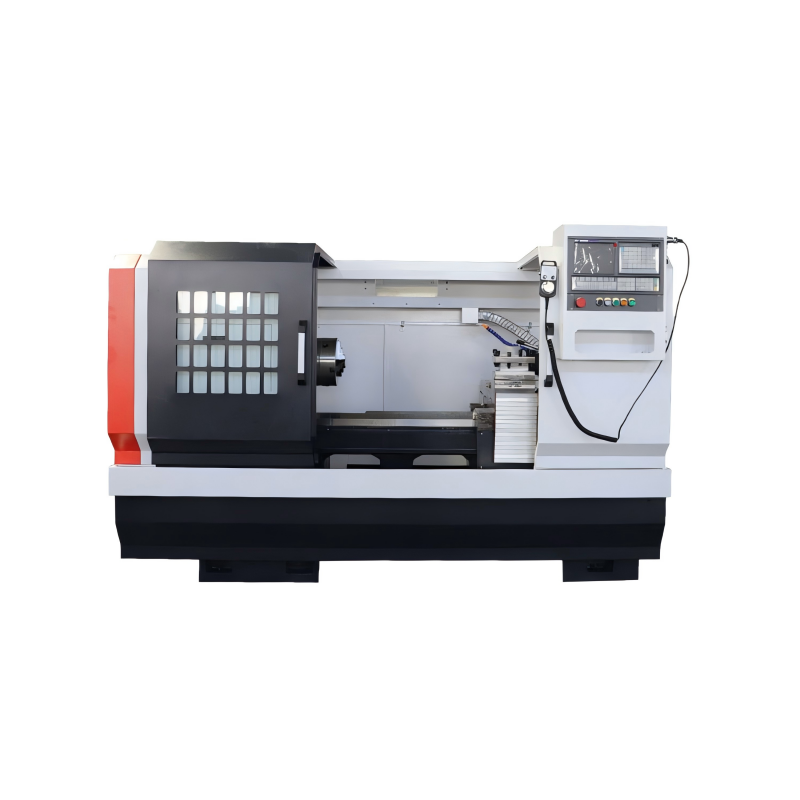
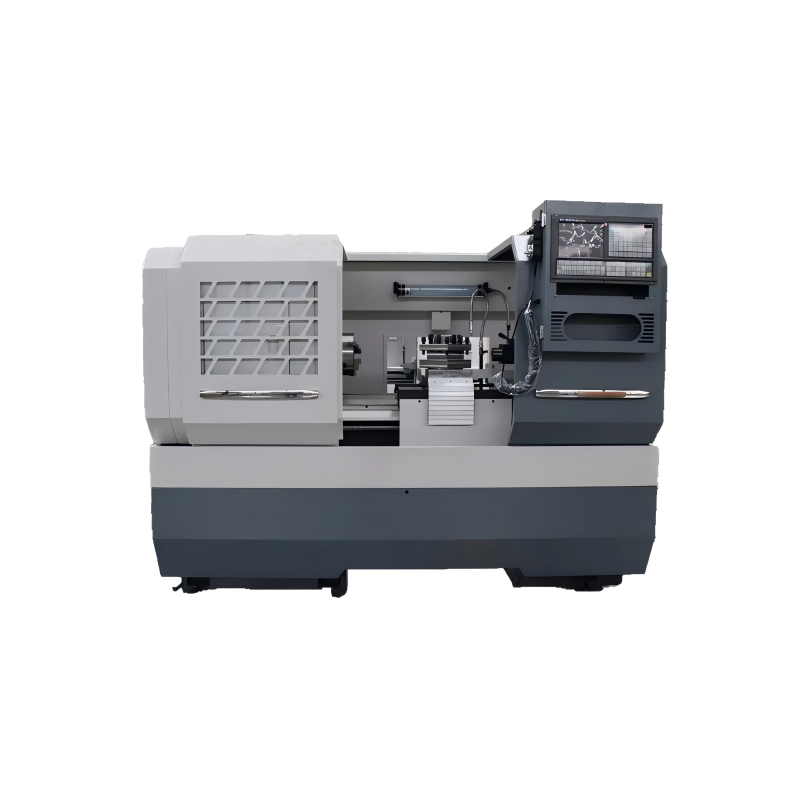
In the ever-evolving landscape of manufacturing, the demand for high-precision machining has never been greater. One of the key tools that have revolutionized this field is the high precision Flat Bed CNC Lathe. This technology not only enhances the accuracy and efficiency of machining processes but also opens up new possibilities for complex and intricate designs. In this technical report, we will explore the future of machining with a focus on high precision flat bed CNC lathes, examining their advancements, applications, and potential impact on the industry.
The development of High precision flat bed CNC lathes has been driven by the need for more accurate and efficient machining solutions. These machines are equipped with advanced features such as high-resolution encoders, servo motors, and sophisticated control systems that ensure precise and repeatable operations. The use of state-of-the-art materials and design techniques has also contributed to the enhanced performance of these lathes, making them capable of achieving tolerances as tight as a few microns.
One of the significant advancements in high precision flat bed CNC lathes is the integration of artificial intelligence (AI) and machine learning (ML) algorithms. These technologies enable the lathes to optimize cutting parameters in real-time, reducing tool wear and improving surface finish. Additionally, predictive maintenance capabilities allow for proactive servicing, minimizing downtime and extending the lifespan of the machine.
High precision flat bed CNC lathes find applications across a wide range of industries, including aerospace, automotive, medical, and electronics. In the aerospace sector, these lathes are used to manufacture critical components such as turbine blades, which require extremely tight tolerances and high surface quality. The automotive industry benefits from the ability of these lathes to produce complex parts with high precision, ensuring the reliability and performance of vehicles.
In the medical field, high precision flat bed CNC lathes are essential for the production of surgical instruments and implantable devices. The ability to achieve sub-micron accuracy is crucial in this industry, where even the slightest deviation can have significant consequences. Similarly, in the electronics industry, these lathes are used to manufacture small, intricate components with high precision, enabling the production of advanced electronic devices.
The adoption of high precision flat bed CNC lathes has a profound impact on manufacturing efficiency and cost reduction. These machines are designed to minimize setup times and reduce material waste, leading to increased productivity and lower production costs. The ability to perform multiple operations in a single setup, such as turning, milling, and drilling, further enhances efficiency and reduces the need for additional equipment.
Moreover, the high precision of these lathes ensures that parts are manufactured to exact specifications, reducing the need for rework and scrap. This not only saves time and resources but also improves the overall quality of the final product. The integration of automation and robotics in high precision flat bed CNC lathes further streamlines the manufacturing process, allowing for continuous operation and minimal human intervention.
Despite the numerous advantages, there are still challenges associated with the widespread adoption of high precision flat bed CNC lathes. One of the primary challenges is the high initial investment required for these machines. However, the long-term benefits, such as increased productivity and reduced operating costs, often outweigh the initial costs. Another challenge is the need for skilled operators who can effectively program and operate these advanced machines.
Looking ahead, the future of high precision flat bed CNC lathes is likely to be shaped by ongoing technological advancements. The integration of Industry 4.0 concepts, such as the Internet of Things (IoT) and big data analytics, will further enhance the capabilities of these lathes. For example, IoT sensors can provide real-time monitoring of machine performance, while big data analytics can help in optimizing production processes and predicting maintenance needs.
Additionally, the development of new materials and cutting tools will continue to push the boundaries of what is possible with high precision flat bed CNC lathes. As these technologies evolve, we can expect to see even more innovative and efficient machining solutions, driving the future of manufacturing forward.
The high precision flat bed CNC lathe is a game-changer in the world of machining, offering unparalleled accuracy, efficiency, and versatility. With advancements in AI, ML, and Industry 4.0, these machines are poised to play an increasingly important role in various industries. While there are challenges to overcome, the benefits of adopting high precision flat bed CNC lathes are clear, and they will undoubtedly shape the future of manufacturing.
 03/06/2026
A high precision flat bed CNC lathe plays an indispensable role in the realm of modern engineering, offering unparalleled accuracy and efficiency in manufacturing processes. This report delves into the significance of such machinery, highlighting its appl
Read More03/06/2026In today’s competitive manufacturing landscape, the investment in advanced machinery is not just a choice but a necessity for businesses aiming to stay ahead. One such critical piece of equipment that has been gaining significant traction is the high prec
Read More03/06/2026In the realm of precision machining, a high precision flat bed CNC lathe stands out as an indispensable tool for achieving superior accuracy in manufacturing processes. This technical report delves into the intricacies of how a high precision flat bed CNC
Read More03/06/2026Introduction to High Precision Flat Bed CNC LathesThe high precision flat bed CNC lathe stands out as a pivotal piece of machinery in the modern manufacturing industry, offering unparalleled accuracy and efficiency. This article aims to provide an in-dept
Read More03/06/2026The adoption of high precision flat bed CNC lathes in modern industrial manufacturing has significantly transformed the landscape, offering unparalleled accuracy and efficiency. This report delves into the specific benefits of using a high precision flat
Read More03/06/2026In the ever-evolving landscape of manufacturing, precision and efficiency are paramount. One of the key technologies that can significantly enhance both is the high precision flat bed CNC lathe. This article delves into how a high precision flat bed CNC l
Read More03/06/2026The high precision flat bed CNC lathe represents a significant advancement in the field of machining, offering unparalleled accuracy and efficiency. This report explores the capabilities of this sophisticated piece of equipment, delving into its key featu
Read More03/06/2026Introduction to High Precision Flat Bed CNC Lathes In the realm of modern manufacturing, the quest for precision and efficiency is paramount. The high precision flat bed CNC lathe stands out as a pivotal tool in achieving these goals. This type of machine
Read More03/06/2026In the realm of modern manufacturing, the advancements in technology have led to significant improvements in machining processes. One such advancement is the high precision flat bed CNC lathe, a device that stands out for its ability to produce components
Read More03/06/2026The evolution of manufacturing processes has been significantly influenced by advancements in technology, with high precision flat bed CNC lathes standing out as a critical component. These machines represent the pinnacle of engineering accuracy and effic
Read More03/06/2026In the realm of modern manufacturing, the demand for high precision in machining processes has never been more critical. This report delves into the role of high precision in the functionality of flat bed CNC lathes, exploring how advancements in technolo
Read More03/06/2026In the realm of modern manufacturing, the role of a high precision flat bed CNC lathe cannot be overstated. This sophisticated piece of machinery is pivotal in enhancing both product quality and production efficiency. In this technical report, we will del
Read More03/06/2026In the realm of modern manufacturing, the role of high-precision machinery is paramount. Among these, the high precision flat bed CNC lathe stands out as a versatile and indispensable tool. This report delves into the advantages of this advanced machine,
Read More03/06/2026High precision flat bed CNC lathes represent a significant advancement in the field of machining, offering unparalleled accuracy and versatility. These machines are designed to handle complex projects with ease, providing manufacturers with the tools they
Read More03/06/2026The maintenance of high precision flat bed CNC lathes is a critical aspect that directly impacts the longevity, accuracy, and overall performance of these sophisticated machines. In this technical report, we will explore the various aspects of maintaining
Read More03/06/2026In today's competitive manufacturing landscape, the demand for high-precision components has never been greater. One of the most effective tools for achieving this level of precision is the high precision flat bed CNC lathe. This article will explore how
Read More03/06/2026With the rapid advancement of manufacturing technologies, the demand for precision in part production has never been higher. Among these innovations, the high precision flat bed CNC lathe stands out as a significant development, transforming the way indus
Read More03/06/2026When it comes to enhancing the capabilities of your workshop, selecting the right high precision flat bed CNC lathe is a critical decision. This type of machine offers unparalleled accuracy and efficiency, making it an essential tool for many manufacturin
Read More03/06/2026Understanding the Core Components of a High Precision Flat Bed CNC LatheA high precision flat bed CNC lathe is a sophisticated machine designed for producing highly accurate and complex parts. At its core, such a machine relies on several key components t
Read More03/06/2026In the ever-evolving landscape of manufacturing, high precision flat bed CNC lathes have emerged as a transformative force, revolutionizing the way industries approach machining. These advanced machines offer unparalleled accuracy and efficiency, making t
Read More03/06/2026In the realm of precision engineering, advancements in machinery are continually pushing the boundaries of what is possible. Among these innovations, the high precision flat bed CNC lathe stands out as a beacon of accuracy and efficiency. This report delv
Read More03/06/2026The Evolution of High Precision Flat Bed CNC Latches in Modern Manufacturing Over the past few decades, the manufacturing industry has witnessed a significant transformation, thanks to advancements in technology. One such innovation that has played a pivo
Read MoreOur professional sales team is always ready to assist you.