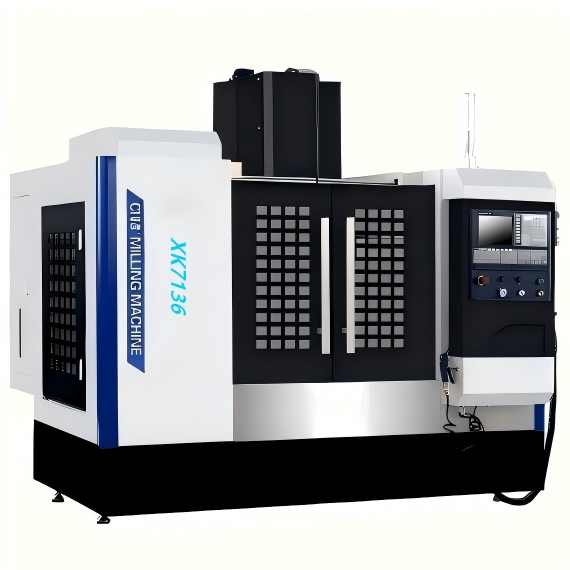
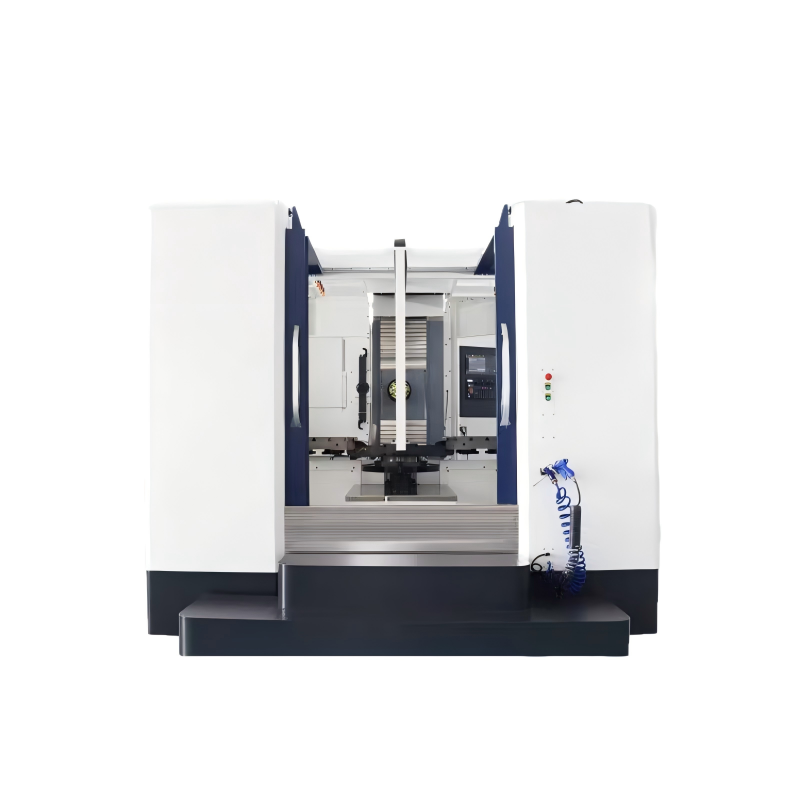
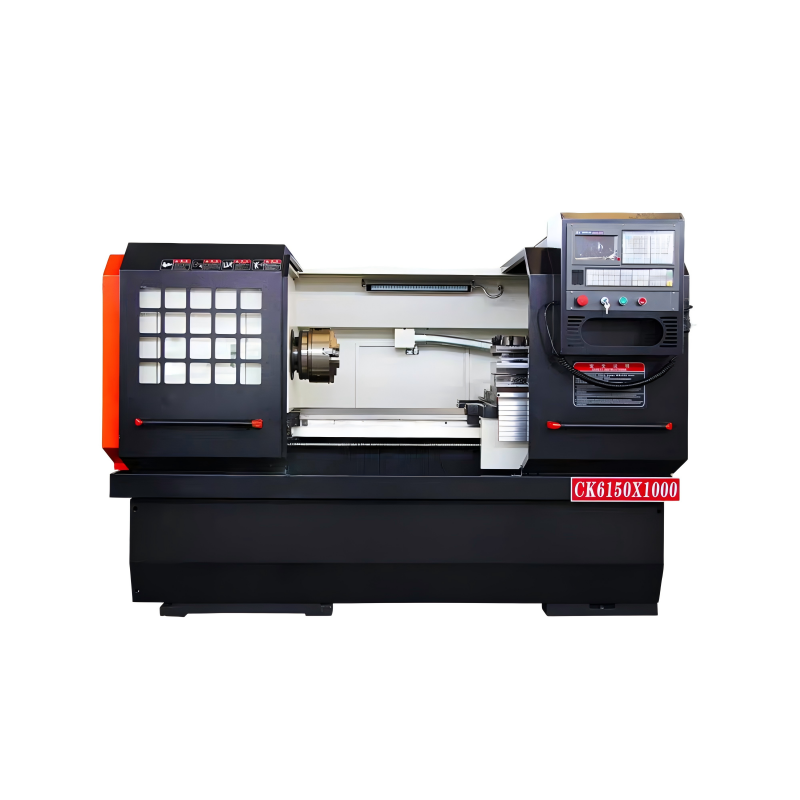
In the rapidly evolving landscape of manufacturing, multi-axis CNC (Computer Numerical Control) workcells are emerging as a transformative force. These advanced systems offer unparalleled precision, flexibility, and efficiency, making them indispensable in modern industrial settings. This report delves into the future of manufacturing through the lens of multi-axis CNC workcells, exploring their technological advancements, operational benefits, and the potential they hold for revolutionizing the industry. By examining key areas such as automation, customization, and sustainability, this analysis aims to provide a comprehensive understanding of how multi-axis CNC workcells are shaping the future of manufacturing.
Multi-axis CNC workcells have made significant strides in achieving higher levels of precision and accuracy. The integration of advanced sensors, real-time feedback mechanisms, and sophisticated control algorithms allows these systems to perform complex operations with minimal error. This level of precision is crucial for industries that require high-quality, intricate parts, such as aerospace, medical devices, and automotive manufacturing. The ability to maintain consistent quality across large production runs ensures that manufacturers can meet stringent industry standards and customer expectations.
One of the most significant advantages of multi-axis CNC workcells is their flexibility and adaptability. These systems can be easily reprogrammed and reconfigured to handle a wide range of tasks, from simple machining operations to highly complex, multi-step processes. This versatility enables manufacturers to respond quickly to changing market demands, reduce setup times, and minimize downtime. Additionally, the use of modular components and interchangeable tooling further enhances the adaptability of multi-axis CNC workcells, allowing for seamless transitions between different production runs and product lines.
The integration of multi-axis CNC workcells into automated production lines significantly boosts operational efficiency and productivity. These workcells can be seamlessly integrated with other manufacturing equipment, such as robotic arms, conveyors, and material handling systems, creating a fully automated and streamlined production process. Automation reduces the need for manual intervention, minimizing human error and increasing overall throughput. Furthermore, the use of advanced software solutions, such as machine learning and artificial intelligence, enables predictive maintenance and optimized scheduling, ensuring that the workcells operate at peak performance and reducing unplanned downtime.
Multi-axis CNC workcells are designed to optimize cycle times, thereby increasing productivity and reducing costs. By performing multiple operations in a single setup, these systems eliminate the need for multiple machines and reduce the time required for part handling and retooling. This not only speeds up the production process but also reduces labor costs and improves overall efficiency. Additionally, the use of high-speed cutting tools and advanced cooling systems further enhances the speed and efficiency of the machining process, resulting in faster production cycles and lower operational costs.
Multi-axis CNC workcells are particularly well-suited for mass customization and small batch production. The ability to quickly and easily reprogram these systems allows manufacturers to produce customized parts and products in small quantities without incurring high setup costs. This capability is especially valuable in industries where customers demand personalized products, such as consumer electronics, jewelry, and custom furniture. By leveraging the flexibility of multi-axis CNC workcells, manufacturers can meet the growing demand for customization while maintaining cost-effectiveness and efficiency.
Another key advantage of multi-axis CNC workcells is their ability to produce complex geometries and intricate designs. The additional axes of motion enable these systems to access and machine parts from multiple angles, allowing for the creation of highly detailed and precise components. This capability is essential for industries that require parts with complex shapes and features, such as aerospace, medical devices, and high-precision engineering. The ability to produce such intricate designs not only enhances the functionality and performance of the end products but also opens up new possibilities for innovation and design.
Multi-axis CNC workcells are designed to be energy-efficient and minimize waste, contributing to a more sustainable manufacturing process. Advanced power management systems and energy-efficient motors reduce the overall energy consumption of these workcells, leading to lower operating costs and a smaller carbon footprint. Additionally, the use of optimized cutting paths and efficient material utilization reduces the amount of scrap and waste generated during the machining process. This not only helps to conserve resources but also reduces the environmental impact of manufacturing operations.
Manufacturers are increasingly adopting sustainable practices and using recyclable materials in their production processes. Multi-axis CNC workcells play a crucial role in supporting these efforts by enabling the efficient use of materials and the production of parts that can be easily recycled. For example, the use of aluminum and other lightweight, recyclable metals in the aerospace and automotive industries can significantly reduce the environmental impact of these sectors. By incorporating sustainable materials and practices, manufacturers can contribute to a more environmentally friendly and responsible manufacturing industry.
The integration of artificial intelligence (AI) and machine learning (ML) is set to revolutionize the capabilities of multi-axis CNC workcells. AI and ML algorithms can analyze vast amounts of data to optimize machining parameters, predict maintenance needs, and improve overall system performance. For example, predictive analytics can identify potential issues before they occur, reducing downtime and extending the lifespan of the workcells. Additionally, AI-driven optimization can enhance the efficiency of the machining process, leading to faster production cycles and higher quality output.
Additive manufacturing, or 3D printing, is another area where multi-axis CNC workcells are expected to make significant contributions. The combination of subtractive and additive manufacturing techniques within a single workcell offers unprecedented flexibility and versatility. This hybrid approach allows manufacturers to produce parts with complex internal structures and intricate geometries, which would be difficult or impossible to achieve using traditional methods. The integration of 3D printing capabilities with multi-axis CNC workcells not only expands the range of possible applications but also opens up new opportunities for innovation and design.
 04/06/2026
With the rapid advancements in manufacturing technology, multi-axis CNC workcells have emerged as a game-changer, transforming industries by enhancing productivity, precision, and flexibility. These advanced systems are capable of performing complex opera
Read More04/06/2026In the realm of modern manufacturing, multi-axis CNC workcells have emerged as a transformative force, reshaping how products are designed and produced. These advanced systems, which combine multiple axes of motion with computer numerical control (CNC), o
Read More04/06/2026In the realm of advanced manufacturing, the multi-axis CNC workcell stands out as a beacon of precision and flexibility. This technology integrates multiple axes of movement, allowing for complex geometries to be machined with unparalleled accuracy. The m
Read More04/06/2026In the rapidly evolving landscape of manufacturing, the integration of advanced technologies such as multi-axis CNC workcells is reshaping the industry. These sophisticated systems are not only enhancing productivity and precision but also enabling manufa
Read More04/06/2026In today's competitive manufacturing landscape, maximizing efficiency is crucial for staying ahead. A multi-axis CNC workcell offers a powerful solution to enhance productivity and precision. This report explores the benefits of integrating a multi-axis C
Read More04/06/2026In today's manufacturing landscape, the selection of an appropriate multi-axis CNC workcell is critical for enhancing productivity, precision, and flexibility. This technical report aims to guide manufacturers through the process of choosing the right mul
Read More04/06/2026In today's fast-paced manufacturing environment, the integration of a multi-axis CNC workcell can significantly enhance productivity and efficiency. This report delves into how adopting such advanced machinery not only optimizes production processes but a
Read More04/06/2026In the rapidly evolving landscape of precision machining, the multi-axis CNC workcell stands out as a transformative technology. This advanced manufacturing solution not only enhances the efficiency and accuracy of production processes but also opens up n
Read More04/06/2026In the rapidly evolving landscape of modern manufacturing, the integration of multi-axis CNC workcells has become a game-changer. These advanced systems offer unparalleled precision, flexibility, and efficiency, enabling manufacturers to produce complex p
Read MoreOur professional sales team is always ready to assist you.