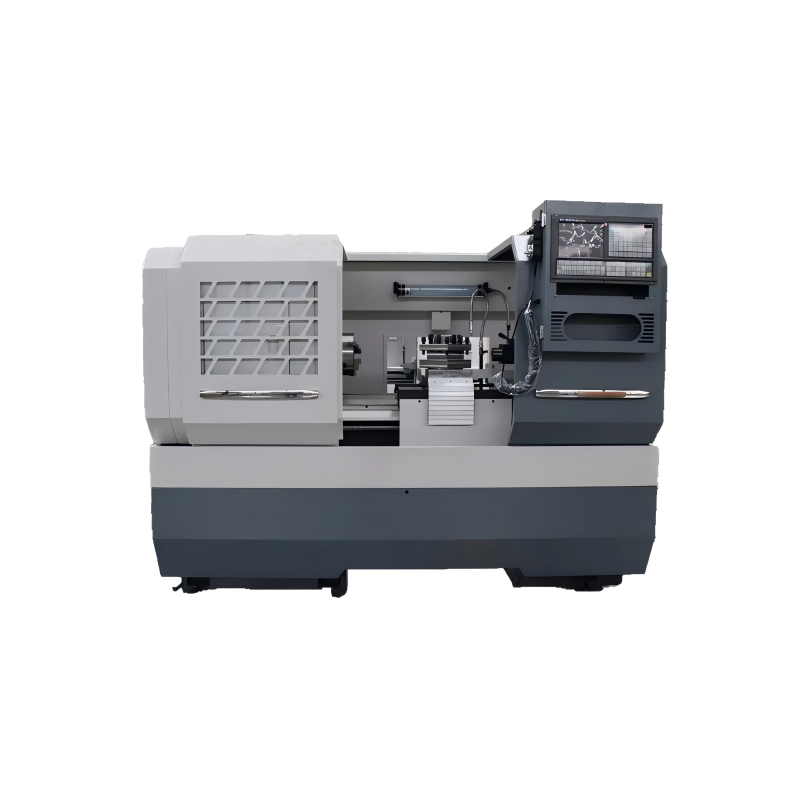
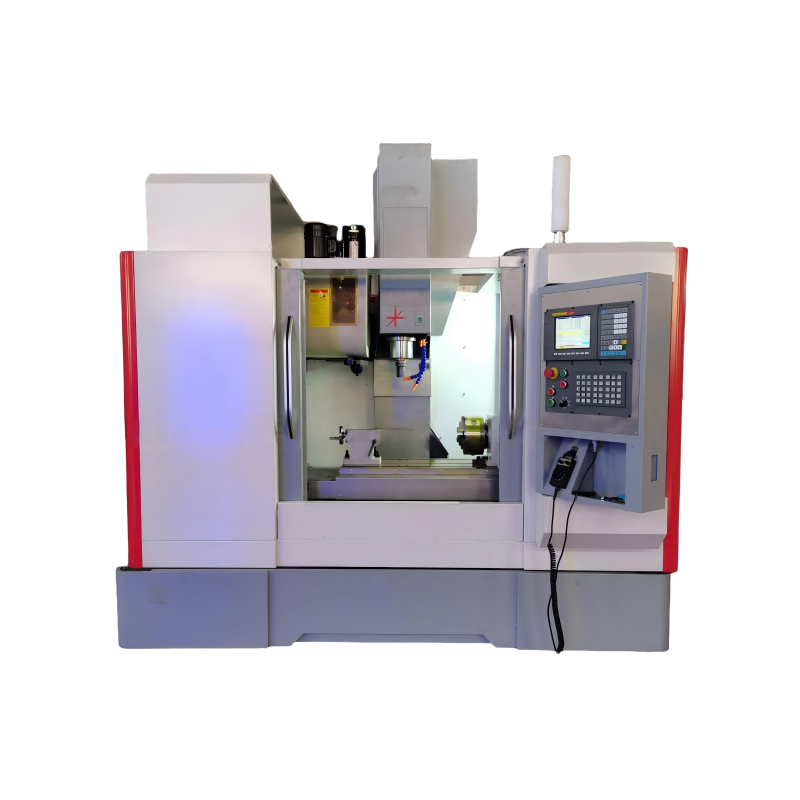
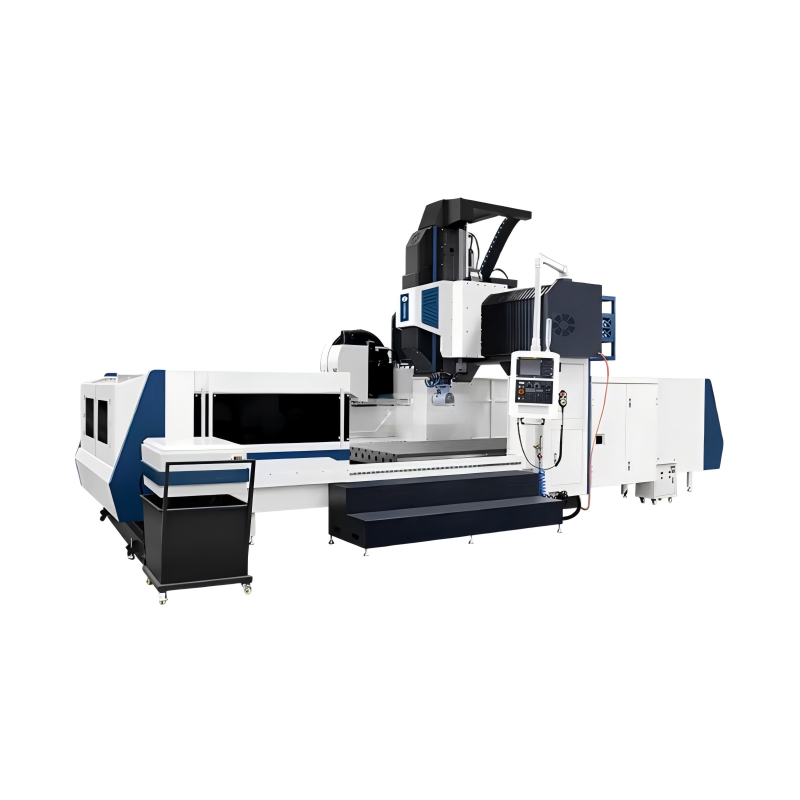
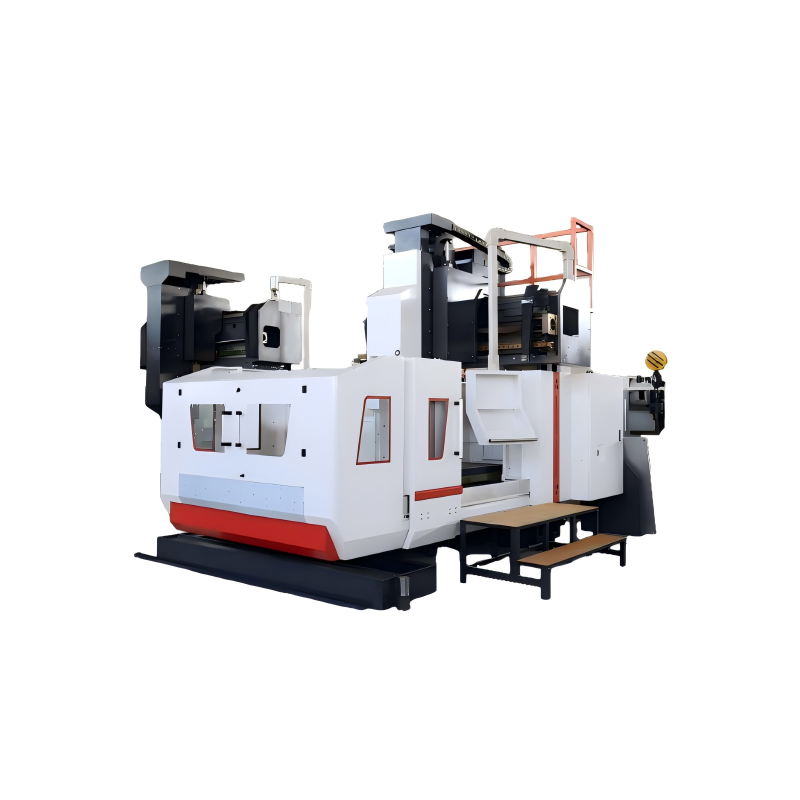
In the modern manufacturing landscape, CNC (Computer Numerical Control) lathe machines have emerged as essential tools for achieving high levels of precision and efficiency. Originating from China, these advanced machines are transforming industries by enabling manufacturers to produce complex parts with unparalleled accuracy. This report delves into the role of CNC Lathe machines in enhancing precision and efficiency, exploring their technological advancements, applications, and the impact they have on industrial productivity.
CNC lathe machines china represent a significant leap forward in machining technology. These machines are equipped with state-of-the-art control systems that can interpret detailed digital designs and translate them into precise mechanical movements. The use of high-resolution encoders and servo motors ensures that each cut is made with micron-level accuracy, reducing the margin of error to almost zero. This level of precision is crucial in industries where even the slightest deviation can lead to part failure or suboptimal performance.
Moreover, the integration of artificial intelligence (AI) and machine learning algorithms in CNC lathe machines allows for real-time monitoring and adjustments. These intelligent systems can detect anomalies, optimize cutting paths, and make necessary corrections, thereby maintaining consistent quality throughout the production process. This not only enhances the precision of the final product but also reduces waste and rework, leading to cost savings and improved efficiency.
One of the key advantages of CNC lathe machines is their ability to automate the entire machining process. Unlike traditional lathes, which require manual setup and operation, CNC lathes can be programmed to perform a series of operations without human intervention. This automation significantly reduces the time required for setup and tool changes, allowing for continuous production runs and higher throughput.
Additionally, CNC lathe machines are designed with multi-axis capabilities, enabling them to perform multiple operations in a single setup. This eliminates the need for transferring the workpiece between different machines, which can be time-consuming and introduce errors. By consolidating operations, CNC lathes reduce the overall production time and improve the workflow, making them ideal for high-volume manufacturing environments.
Furthermore, the use of advanced software and simulation tools allows engineers to optimize the machining process before it even begins. This pre-production planning helps identify potential bottlenecks and inefficiencies, ensuring that the CNC lathe machine operates at its maximum capacity. The result is a more streamlined and efficient production process, with minimal downtime and optimal resource utilization.
The versatility of CNC lathe machines has led to their widespread adoption across various industries. In the automotive sector, for example, CNC lathes are used to manufacture critical components such as engine parts, transmission gears, and suspension components. The precision and repeatability of these machines ensure that each part meets the stringent quality standards required for safe and reliable vehicle operation.
In the aerospace industry, where tolerances are extremely tight, CNC lathe machines play a vital role in producing high-precision components for aircraft and spacecraft. These machines can handle materials such as titanium and aluminum alloys, which are commonly used in aerospace applications due to their strength and lightweight properties. The ability of CNC lathes to maintain consistent quality and precision is essential for ensuring the safety and performance of aerospace vehicles.
Similarly, in the medical device industry, CNC lathe machines are used to produce intricate and delicate components for surgical instruments, implants, and diagnostic equipment. The precision and reliability of these machines are crucial for meeting the exacting standards of the medical field, where the smallest imperfections can have serious consequences.
Overall, the adoption of CNC lathe machines in these and other industries has had a profound impact on manufacturing processes. By enabling higher precision, faster production, and greater efficiency, CNC lathes are driving innovation and competitiveness in the global marketplace.
CNC lathe machines from China have become indispensable tools in modern manufacturing, offering unprecedented levels of precision and efficiency. Their advanced technological features, including high-resolution encoders, servo motors, and AI-driven optimization, ensure that each part is produced with micron-level accuracy. The automation capabilities of CNC lathes, combined with their multi-axis functionality, streamline the production process and increase throughput. Additionally, their versatility and reliability make them suitable for a wide range of applications across various industries, from automotive and aerospace to medical devices. As manufacturing continues to evolve, CNC lathe machines will play an increasingly important role in shaping the future of precision engineering.
 04/06/2026
The advancement in CNC lathe machine technology within China has marked a significant leap forward in the manufacturing sector, underlining the country's commitment to innovation and precision. This report delves into the transformative impact of Chinese
Read More04/06/2026China has emerged as a leading player in the global manufacturing sector, with its CNC lathe machines gaining significant recognition for their efficiency, precision, and cost-effectiveness. This report delves into how CNC lathe machines from China are re
Read More04/06/2026Exploring the capabilities of a modern vertical machining center, this report delves into the advanced features and functionalities that make these machines indispensable in today's manufacturing industry. The discussion will cover the integration of CNC
Read More04/06/2026The advancement of manufacturing technology has led to the increased use of CNC (Computer Numerical Control) machines in various industries. Among these, the CNC horizontal lathe machine stands out as a key player in modern production lines. This report e
Read More04/06/2026In the rapidly evolving world of manufacturing, precision and efficiency are paramount. Among the many tools that have revolutionized the industry, the CNC lathe machine China stands out as a versatile and indispensable asset. This guide aims to provide a
Read More04/06/2026When it comes to selecting a high-quality CNC lathe machine from China, there are several key features that buyers should consider. These machines, known for their precision and efficiency, have become indispensable in various manufacturing industries. In
Read More03/06/2026With the rapid advancement in manufacturing technologies, CNC (Computer Numerical Control) lathe machines have become an indispensable part of modern production lines. When it comes to sourcing these sophisticated pieces of equipment, many companies turn
Read More02/06/2026The evolution of CNC (Computer Numerical Control) lathe machines in China has been nothing short of remarkable. As a powerhouse in the global manufacturing industry, Chinese manufacturers have continuously pushed the boundaries of innovation, leading to s
Read More02/06/2026The rapid development of China's manufacturing industry over the past few decades has been a significant driver of the country’s economic growth. Among the many technological advancements that have contributed to this success, CNC (Computer Numerical Cont
Read More02/06/2026In recent years, the advancements in manufacturing technology have led to a significant rise in the demand for high-precision and efficient machinery. One of the key players in this domain is the CNC lathe machine, which has become indispensable in variou
Read More02/06/2026As the global manufacturing industry continues to evolve, the adoption of advanced machinery such as CNC lathe machines from China has become increasingly popular. These machines offer precision, efficiency, and versatility, making them an essential tool
Read More02/06/2026With the rapid advancement of manufacturing technologies, CNC lathe machines from China have become a crucial component in modern production processes. These machines not only offer high precision and efficiency but also provide cost-effective solutions f
Read More02/06/2026Understanding the CNC Lathe Machine Market in ChinaThe Chinese market for cnc lathe machine china is one of the most dynamic and rapidly evolving, thanks to advancements in manufacturing technology and a robust industrial base. When considering purchasing
Read More02/06/2026China has emerged as a leading player in the global manufacturing industry, with its advancements in CNC (Computer Numerical Control) lathe machine technology playing a crucial role. The evolution of CNC lathe technology in China is a testament to the cou
Read More02/06/2026Choosing the right CNC lathe machine for your workshop is a critical decision that can significantly impact productivity, efficiency, and overall business performance. With the rapid advancement of technology, CNC lathes have become more sophisticated, of
Read More02/06/2026China has emerged as a significant player in the global manufacturing sector, particularly with its advancements in CNC (Computer Numerical Control) lathe machines. These machines, designed and produced within China, have garnered attention for their comp
Read More02/06/2026In the realm of modern manufacturing, the role of CNC lathe machine China has become increasingly significant. This article delves into the advantages that these machines bring to the table, highlighting their impact on productivity, precision, and overal
Read More02/06/2026China has emerged as a global leader in the manufacturing of CNC (Computer Numerical Control) lathe machines, transforming industries worldwide with its innovative technologies and cost-effective solutions. This report delves into how China's advancements
Read More02/06/2026The rapid advancement of technology has significantly transformed the manufacturing industry, with CNC (Computer Numerical Control) lathe machines playing a pivotal role in this transformation. Originating from China and spreading globally, these machines
Read More02/06/2026Understanding the Basics of CNC Lathe MachinesBefore delving into the specifics of choosing a CNC lathe machine China supplier, it's crucial to understand what these machines are and how they function. A Computer Numerical Control (CNC) lathe is an automa
Read More02/06/2026In recent years, China has emerged as a global leader in the manufacturing industry, with significant advancements being made particularly within the realm of CNC lathe machine technology. This report aims to explore the innovations that have propelled Ch
Read More02/06/2026In the realm of modern manufacturing, the adoption of advanced technologies has become a necessity rather than an option. One such technology that has revolutionized the industry is the CNC (Computer Numerical Control) lathe machine. Originating from and
Read MoreOur professional sales team is always ready to assist you.