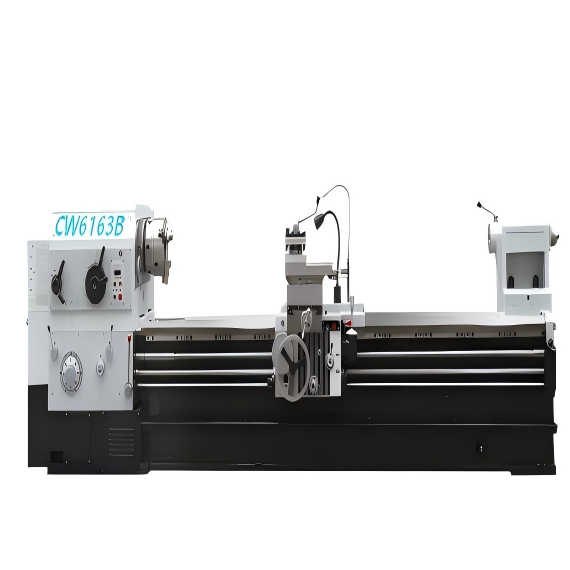
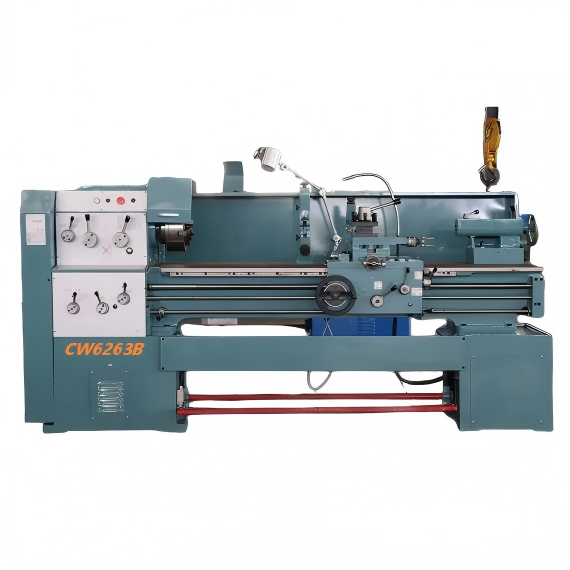
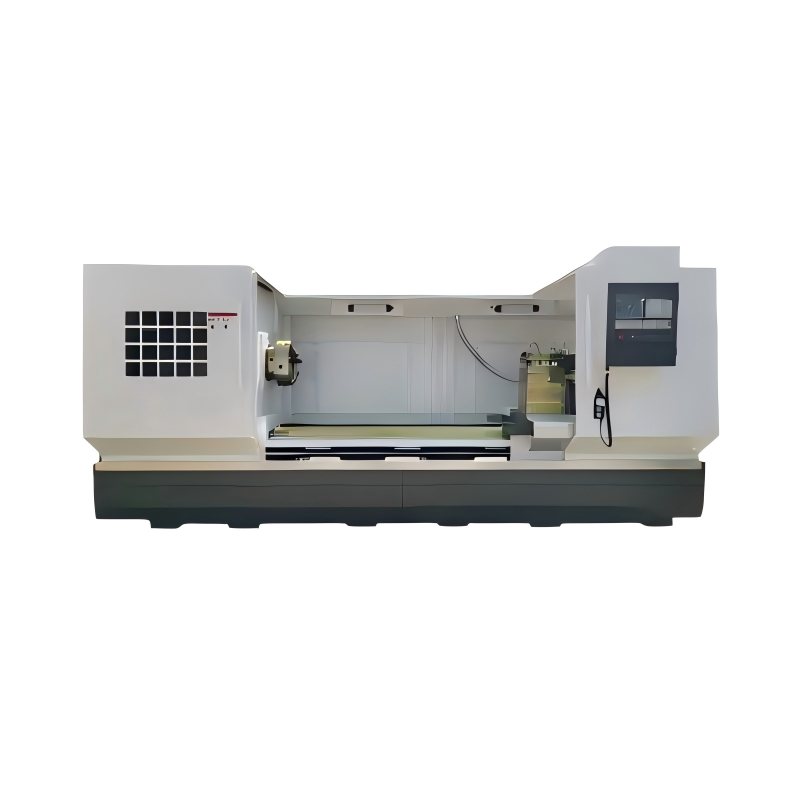
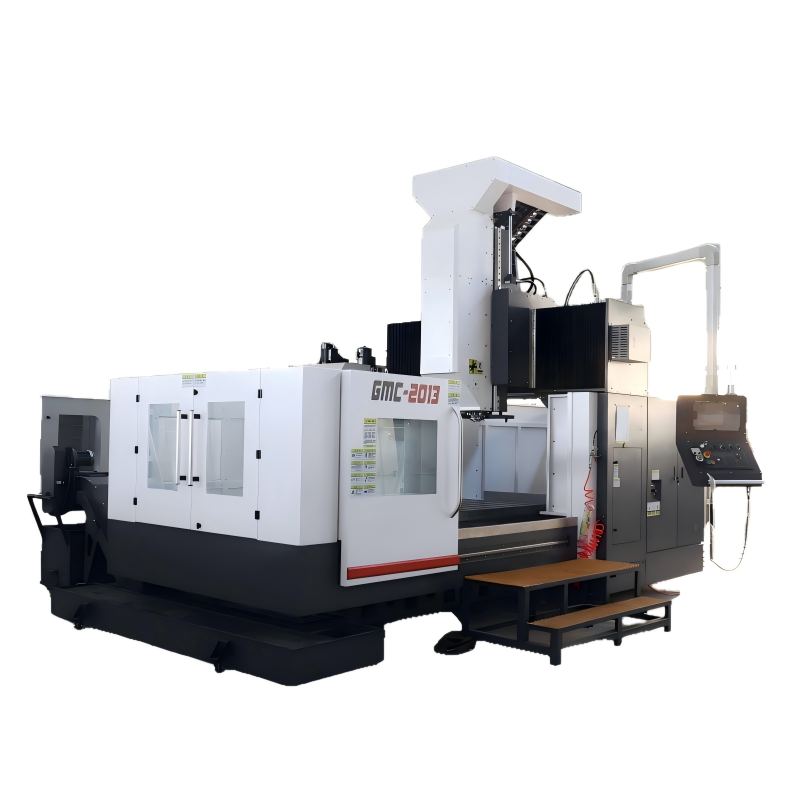
Horizontal Lathe Machines have become an indispensable part of modern manufacturing, playing a crucial role in the production of precision components. This report delves into the significance of horizontal lathe machines, exploring their versatility, efficiency, and adaptability to advanced manufacturing processes. The discussion will cover how these machines contribute to enhanced productivity, the integration of automation, and the importance of maintenance and training for optimal performance.
Horizontal lathe machines are highly versatile, capable of performing a wide range of operations including turning, facing, drilling, and threading. This versatility makes them suitable for various industries, from automotive and aerospace to medical and consumer goods. The ability to handle different materials, such as metals, plastics, and composites, further enhances their utility in diverse manufacturing settings.
One of the key advantages of horizontal lathe machines is their capacity for customization. Manufacturers can equip these machines with specialized tooling and attachments to meet specific production requirements. For instance, live centers, steady rests, and tool turrets can be added to improve stability and accuracy. This flexibility allows for the production of complex and high-precision parts, making horizontal lathes a preferred choice in many applications.
Modern horizontal lathe machines are designed for high-speed operation without compromising on precision. Advanced features such as computer numerical control (CNC) systems, servo motors, and high-resolution encoders enable these machines to achieve tight tolerances and smooth surface finishes. The combination of speed and precision significantly reduces production time and enhances overall productivity.
The integration of horizontal lathe machines with automation systems, such as robotic arms and automated material handling, has revolutionized the manufacturing process. Automated systems can load and unload workpieces, change tools, and perform other tasks, minimizing downtime and human intervention. This not only increases efficiency but also ensures consistent quality and reduces the risk of errors, making the manufacturing process more reliable and cost-effective.
To ensure the longevity and optimal performance of horizontal lathe machines, regular maintenance and servicing are essential. This includes routine checks of mechanical components, lubrication, and calibration of CNC systems. Preventive maintenance helps identify and address potential issues before they lead to costly breakdowns, ensuring that the machine operates at its best and minimizing downtime.
Proper training and skill development for operators and maintenance personnel are critical for maximizing the benefits of horizontal lathe machines. Training programs should cover the operation, programming, and troubleshooting of the machines. Skilled operators can fully utilize the capabilities of the machine, while trained maintenance staff can quickly diagnose and resolve any issues. Investing in continuous training and development ensures that the workforce remains up-to-date with the latest technologies and best practices, contributing to the overall success of the manufacturing process.
 04/06/2026
This comprehensive guide aims to provide an in-depth understanding of operating a Horizontal Lathe Machine, which is essential for anyone involved in machining processes. From the basics of setting up and preparing the machine, through to executing variou
Read More04/06/2026Horizontal Lathe Machines, an essential tool in the manufacturing and machining industry, have been a cornerstone of precision engineering for decades. These machines are designed to shape metal or other rigid materials by rotating them against a cutting
Read More04/06/2026Choosing the right China lathe manufacturer for precision work, especially when it comes to a Horizontal Lathe Machine, is a critical decision that can significantly impact the quality and efficiency of your manufacturing processes. This technical report
Read MoreOur professional sales team is always ready to assist you.