Introduction
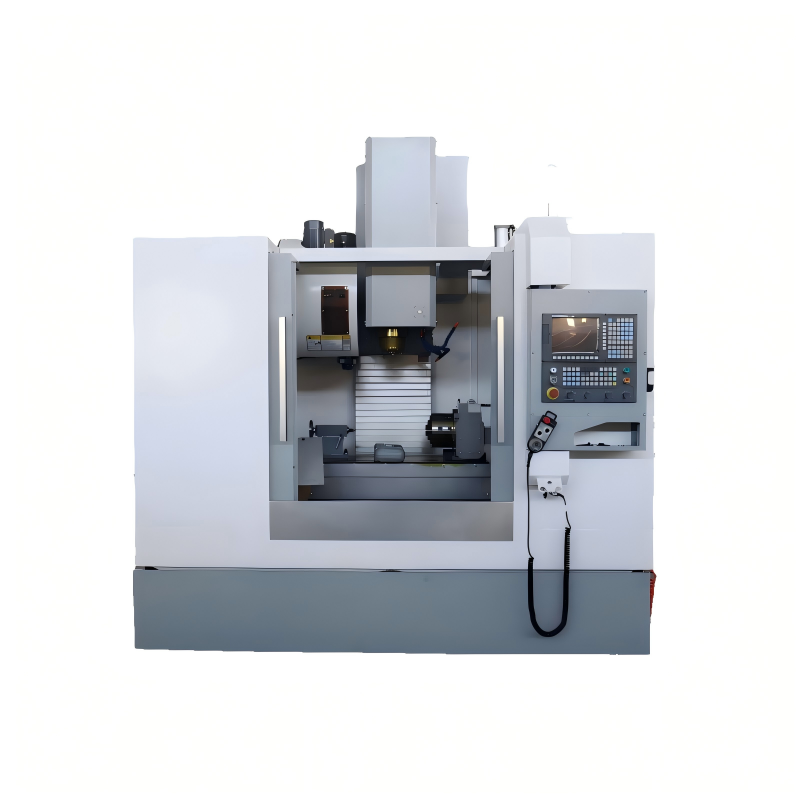
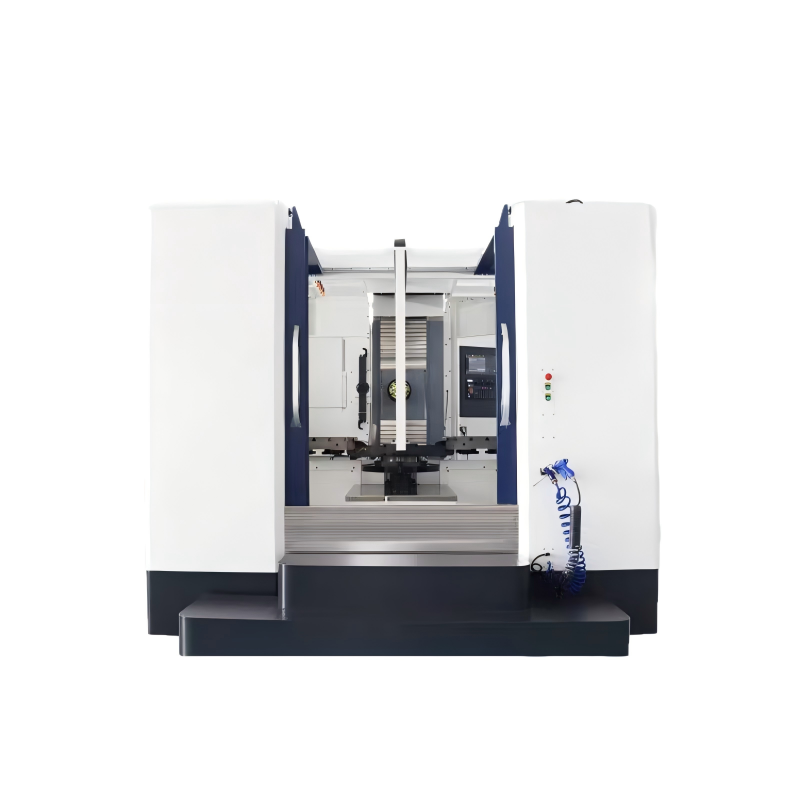
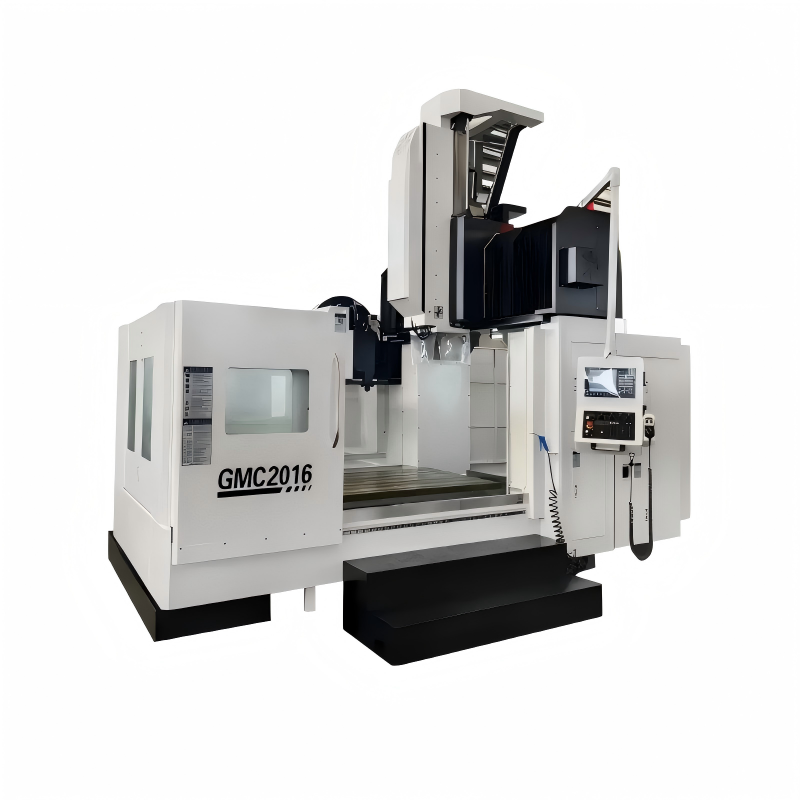
The evolution of manufacturing technologies has significantly transformed the production landscape, with Vertical Machining Center Lathe Machine playing a crucial role in this transformation. These advanced machines have become indispensable tools for modern manufacturers, offering unparalleled precision, versatility, and efficiency. This report will delve into the specific contributions of Vertical Machining Centers (VMCs) to contemporary manufacturing processes, focusing on their technological advancements, operational benefits, and future prospects.
One of the most significant advancements in VMCs is the integration of advanced control systems. Modern VMCs are equipped with sophisticated computer numerical control (CNC) systems that allow for precise and automated operations. These CNC systems use high-speed processors and real-time data processing, enabling the machine to execute complex tasks with minimal human intervention. The result is increased accuracy and repeatability, which are critical for maintaining quality standards in mass production environments.
Another key technological advancement in VMCs is the improvement in cutting capabilities. High-performance spindles, coupled with advanced tooling systems, enable these machines to achieve higher cutting speeds and feed rates. This not only reduces cycle times but also improves surface finish and dimensional accuracy. Additionally, the ability to handle a wide range of materials, from soft plastics to hardened steels, makes VMCs versatile tools for various manufacturing applications.
VMCs are designed to optimize productivity and efficiency in the manufacturing process. The ability to perform multiple operations in a single setup, such as drilling, milling, and tapping, reduces the need for part repositioning and minimizes downtime. This streamlined workflow translates into faster production cycles and lower labor costs. Furthermore, the use of automatic tool changers and pallet changers allows for continuous operation, further enhancing overall productivity.
Consistent quality is a hallmark of VMCs, thanks to their precision and repeatability. The advanced control systems and rigid machine structures ensure that each part is manufactured to exact specifications, reducing the likelihood of defects and rework. This consistency is particularly important in industries where tight tolerances and high-quality standards are paramount, such as aerospace, automotive, and medical device manufacturing. Additionally, the ability to perform in-process inspections and adjustments helps maintain quality throughout the production run.
The future of VMCs is closely tied to the adoption of Industry 4.0 technologies. Integration with the Internet of Things (IoT), artificial intelligence (AI), and machine learning (ML) will enable VMCs to become even more intelligent and adaptive. Real-time monitoring and predictive maintenance, powered by AI, can help prevent unexpected downtime and extend the lifespan of the machine. Moreover, ML algorithms can optimize cutting parameters and tool paths, leading to further improvements in efficiency and quality.
As sustainability becomes a growing concern in the manufacturing industry, VMCs are being designed with energy efficiency in mind. Innovations such as regenerative drives, which capture and reuse energy, and optimized spindle designs, which reduce power consumption, are becoming more common. Additionally, the use of lightweight materials and modular designs can reduce the environmental impact of the machines themselves. These efforts not only contribute to a greener manufacturing process but also help companies meet regulatory requirements and reduce operating costs.
Conclusion
In conclusion, Vertical Machining Center Lathe Machine have become essential components of modern manufacturing, driving advancements in technology, productivity, and quality. The integration of advanced control systems, enhanced cutting capabilities, and the operational benefits of increased productivity and improved quality make VMCs indispensable in today's competitive manufacturing environment. Looking ahead, the adoption of Industry 4.0 technologies and a focus on sustainability will continue to shape the future of VMCs, ensuring they remain at the forefront of manufacturing innovation.
 04/06/2026
In the world of manufacturing, a high-performance lathe machine, particularly when integrated into a vertical machining center (VMC), can significantly enhance productivity. This article will explore how to maximize productivity with such a setup, focusin
Read More02/06/2026In the realm of manufacturing, the ability to customize machinery for specific tasks is a critical factor in achieving optimal performance and efficiency. This report delves into the customization process of a Vertical Machining Center Lathe Machine, focu
Read More01/06/2026The field of manufacturing technology has witnessed significant advancements, particularly in the domain of vertical machining center lathe machines. These innovations not only enhance productivity and precision but also contribute to more sustainable and
Read More31/05/2026In the world of manufacturing, precision and efficiency are paramount. Among the tools that have revolutionized this field, the Vertical Machining Center Lathe Machine stands out as a versatile and indispensable piece of equipment. This article aims to gu
Read More30/05/2026Introduction to Vertical Machining Center Lathe Machine The vertical machining center lathe machine, often abbreviated as VMC, represents a significant advancement in the field of precision manufacturing. Unlike traditional lathes, which are primarily use
Read More29/05/2026In the domain of manufacturing, the Vertical Machining Center Lathe Machine stands out as a critical piece of equipment for producing precision parts. Its efficiency and accuracy make it indispensable in numerous industries, from automotive to aerospace.
Read More28/05/2026IntroductionThe vertical machining center (VMC) is a pivotal tool in the realm of precision manufacturing, offering unparalleled accuracy and versatility. This report delves into advanced techniques that can be employed to maximize the potential of a Vert
Read More27/05/2026IntroductionWhen it comes to outfitting a workshop, selecting the right lathe machine is a critical decision. A lathe is an essential tool for turning, facing, drilling, and threading operations. This guide aims to provide a comprehensive overview of how
Read More26/05/2026Understanding the Core Capabilities of a Vertical Machining Center A vertical machining center (VMC) is an essential tool in modern manufacturing, offering unparalleled precision and versatility. By leveraging the full potential of your VMC, you can signi
Read MoreOur professional sales team is always ready to assist you.