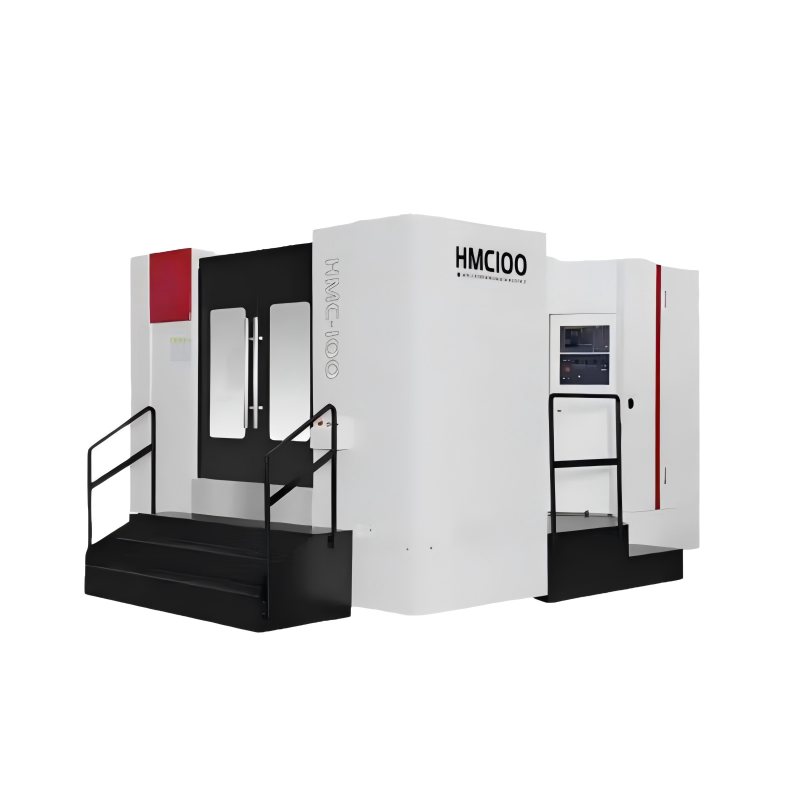
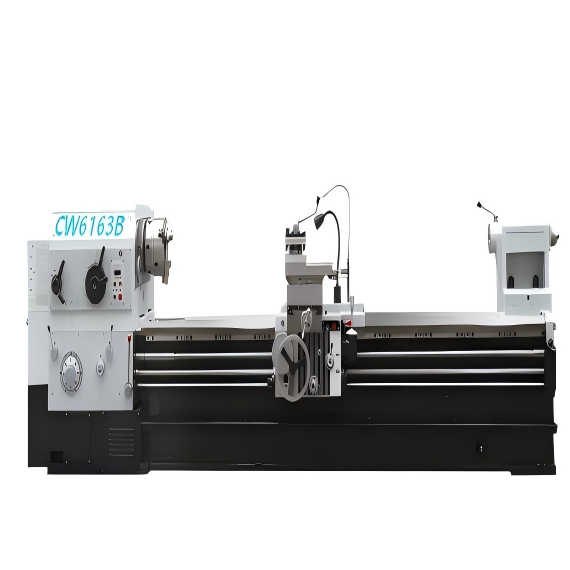
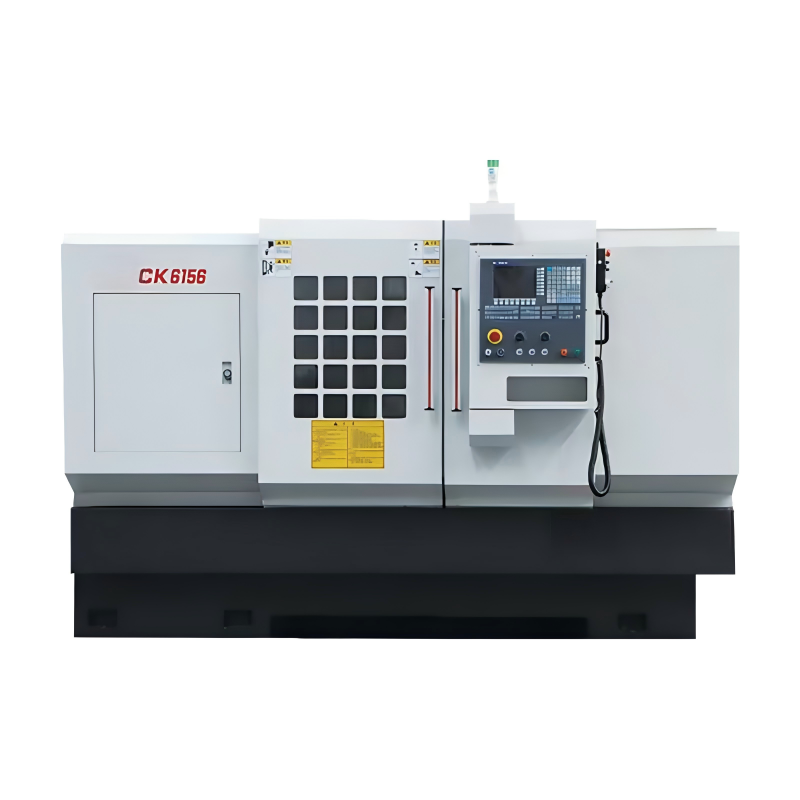
The Bed-Type Milling Machine is a versatile piece of equipment widely used in various industries for its precision and efficiency. This technical report aims to provide a comprehensive understanding of the basics of the bed-type milling machine, including its components, operation, and applications.
1. Structural Components of a Bed-Type Milling Machine
A bed-type milling machine consists of several key components that work together to achieve high-precision machining. The main components include:
- Base: The base is the foundation of the machine, providing stability and support. It is typically made of cast iron or steel to ensure rigidity and reduce vibration during operation.
- Bed: The bed is the horizontal surface on which the workpiece is mounted. It is designed to be flat and smooth to ensure accurate positioning and movement of the workpiece.
- Table: The table is attached to the bed and can move along the X and Y axes. It provides the necessary motion for the workpiece to be positioned accurately under the cutting tool.
- Column: The column supports the spindle and the headstock. It is usually vertical and provides the necessary height for the tool to reach the workpiece.
- Spindle: The spindle holds the cutting tool and rotates at high speeds to perform the milling operation. It is driven by an electric motor and can be adjusted for different cutting depths and angles.
- Headstock: The headstock houses the spindle and the motor. It can be tilted and swiveled to allow for different types of milling operations, such as face milling, end milling, and angular milling.
2. Operation and Control Systems of a Bed-Type Milling Machine
The operation of a bed-type milling machine involves several steps, each requiring precise control and coordination. The control systems of modern bed-type milling machines are often computerized, allowing for automated and highly accurate machining. Key aspects of the operation include:
- Setup: Before starting the milling process, the workpiece must be securely clamped onto the table. The cutting tool is then installed in the spindle, and the machine is set up according to the specific requirements of the job.
- Programming: For CNC (Computer Numerical Control) bed-type milling machines, the machining program is created using specialized software. The program specifies the tool paths, cutting speeds, feed rates, and other parameters needed for the operation.
- Machining: Once the setup and programming are complete, the machine is started. The spindle rotates the cutting tool, and the table moves the workpiece along the specified axes. The operator monitors the process and makes adjustments as needed to ensure the desired results.
- Quality Control: After the machining is complete, the workpiece is inspected for accuracy and quality. Any deviations from the specifications are corrected, and the final product is checked for compliance with the required standards.
3. Applications and Advantages of Bed-Type Milling Machines
Bed-type milling machines are used in a wide range of industries, including automotive, aerospace, and manufacturing. They offer several advantages that make them a preferred choice for many applications:
- Versatility: Bed-type milling machines can perform a variety of milling operations, including face milling, end milling, and angular milling. This versatility allows them to handle complex and intricate parts with ease.
- Precision: The rigid construction and precise control systems of bed-type milling machines ensure high accuracy and repeatability in the machining process. This is particularly important in industries where tight tolerances are required.
- Efficiency: Modern bed-type milling machines, especially those with CNC capabilities, can automate the machining process, reducing the need for manual intervention and increasing productivity. This leads to faster production times and lower costs.
- Scalability: Bed-type milling machines are available in various sizes and configurations, making them suitable for both small-scale and large-scale production. This scalability allows manufacturers to choose the right machine for their specific needs.
In conclusion, the bed-type milling machine is a critical tool in the manufacturing industry, offering precision, versatility, and efficiency. Understanding its components, operation, and applications is essential for anyone involved in machining and production processes.