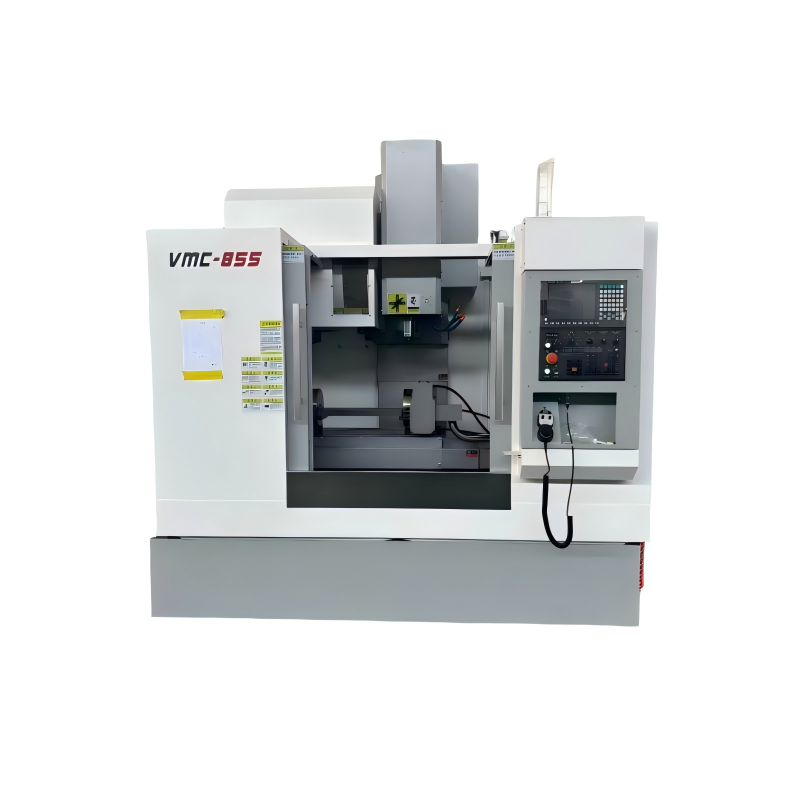
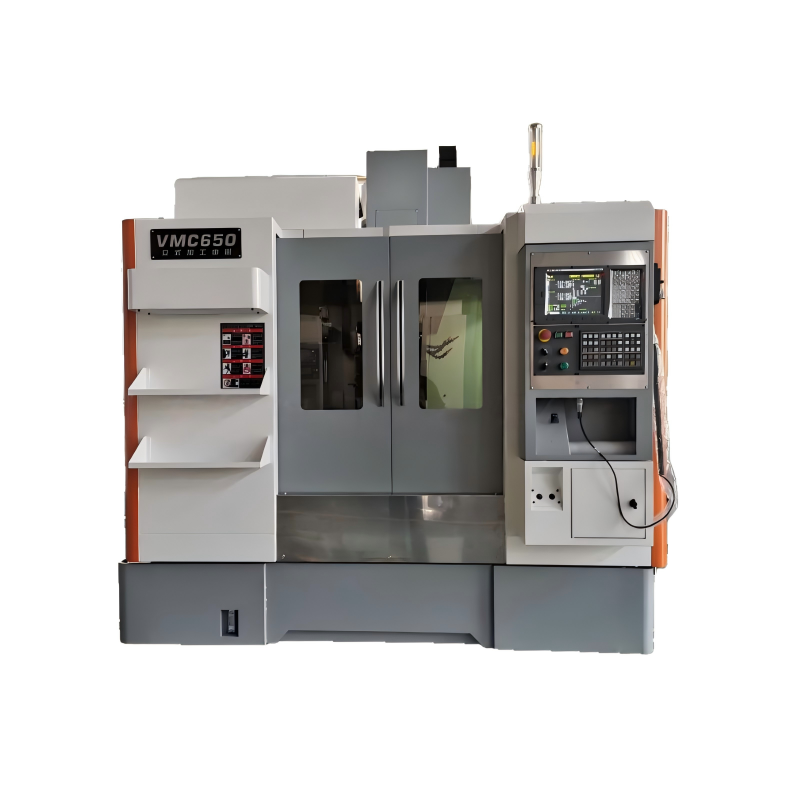
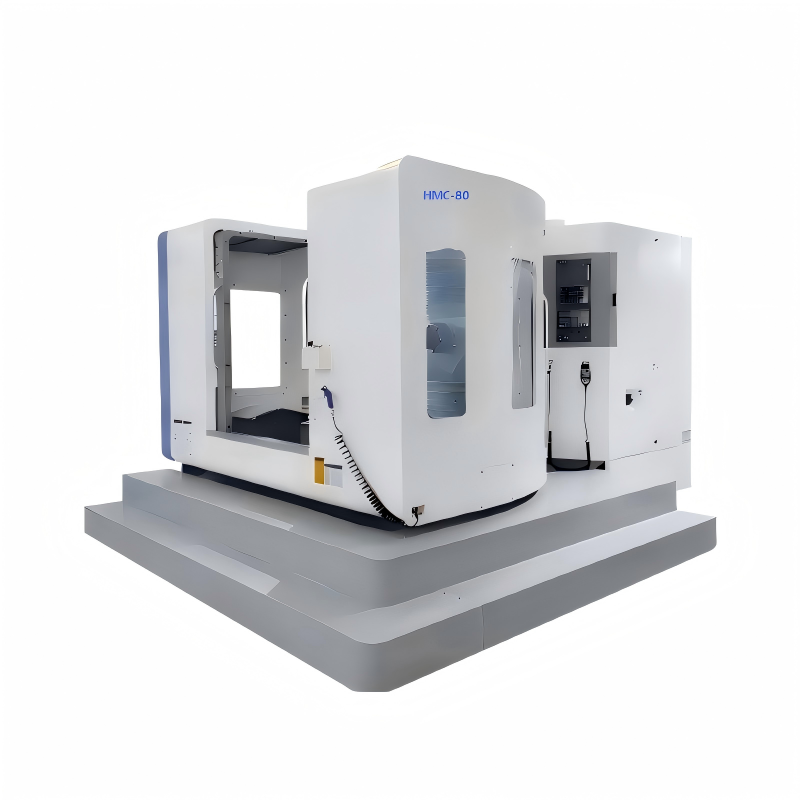
In the realm of precision manufacturing, 5 axis Machining Centers have emerged as indispensable tools for producing complex parts with high accuracy and efficiency. This report delves into the capabilities of these advanced machines, exploring their unique features, applications, and the advantages they offer over traditional machining methods. By understanding how 5 axis machining centers operate and what they can achieve, manufacturers can make informed decisions about integrating this technology into their production processes.
A 5 axis machining center is a type of CNC (Computer Numerical Control) machine that operates on five different axes simultaneously: three linear axes (X, Y, Z) and two rotational axes (A and B, or C). The additional rotational axes enable the cutting tool to approach the workpiece from any direction, which is crucial for machining complex geometries. This multi-axis capability allows for more intricate and precise cuts, reducing the need for multiple setups and minimizing errors associated with repositioning the part. Furthermore, it enhances the overall quality of the finished product by ensuring consistent and accurate results, even when dealing with highly complex shapes and surfaces.
One of the primary benefits of using a 5 axis machining center for complex parts is its ability to handle a wide range of materials, including metals, plastics, and composites, with equal ease. These machines are particularly advantageous in industries such as aerospace, automotive, and medical, where parts often require tight tolerances and complex geometries. For instance, in the aerospace industry, 5 axis machining centers are used to produce turbine blades, engine components, and structural parts, all of which demand high precision and reliability. In the medical field, they are employed to manufacture prosthetics, implants, and surgical instruments, where accuracy and surface finish are critical for patient safety and comfort. The versatility of 5 axis machining centers also extends to prototyping and small-batch production, making them ideal for research and development projects that require rapid iteration and testing.
Another significant advantage of 5 axis machining centers is their ability to improve production efficiency and reduce costs. Traditional machining methods often require multiple setups and fixtures, which can be time-consuming and increase the risk of errors. With a 5 axis machining center, a single setup is typically sufficient to complete the entire machining process, leading to shorter cycle times and reduced labor costs. Additionally, the elimination of multiple setups minimizes the potential for human error, resulting in higher quality parts and lower scrap rates. This streamlined process not only saves time but also reduces material waste, making 5 axis machining centers a cost-effective solution for both large-scale and small-batch production. Moreover, the advanced software and automation features of these machines allow for continuous operation, further enhancing productivity and reducing downtime.
While 5 axis machining centers offer numerous benefits, there are also challenges and considerations that must be addressed. One of the primary challenges is the complexity of programming and operating these machines. The additional axes and degrees of freedom require more sophisticated CAM (Computer-Aided Manufacturing) software and skilled operators who can effectively program and manage the machining process. Training and ongoing support are essential to ensure that operators can fully leverage the capabilities of 5 axis machining centers. Another consideration is the initial investment cost, which can be higher compared to traditional 3-axis machines. However, the long-term benefits, such as increased productivity, improved part quality, and reduced setup times, often justify the initial expense. Additionally, regular maintenance and calibration are necessary to keep the machine in optimal condition and prevent costly breakdowns. By addressing these challenges and investing in the right training and support, manufacturers can maximize the potential of 5 axis machining centers and achieve significant returns on their investment.
The future of 5 axis machining centers looks promising, with ongoing advancements in technology driving further improvements in performance and capabilities. One key trend is the integration of artificial intelligence (AI) and machine learning (ML) into the machining process. These technologies can optimize tool paths, predict and prevent machine failures, and enhance overall efficiency. Another area of innovation is the development of hybrid 5 axis machining centers that combine additive and subtractive manufacturing techniques. This hybrid approach allows for the creation of parts with complex internal structures and optimized designs, which would be difficult or impossible to achieve with traditional machining methods alone. Additionally, the use of advanced materials, such as lightweight alloys and composite materials, is becoming more prevalent, and 5 axis machining centers are well-suited to handle these materials with precision and efficiency. As the demand for more complex and customized parts continues to grow, 5 axis machining centers will play an increasingly important role in meeting these needs and driving innovation in the manufacturing industry.
In conclusion, 5 axis machining centers are powerful tools that offer significant advantages in the production of complex parts. Their ability to handle multiple axes, a wide range of materials, and intricate geometries makes them invaluable in various industries. By understanding the capabilities, advantages, and challenges of these machines, manufacturers can make informed decisions and harness the full potential of 5 axis machining centers to drive innovation and efficiency in their operations.
 27/06/2026
The advent of 5 axis machining centers has revolutionized the manufacturing industry, offering unparalleled precision and versatility. As we look to the future, these advanced machines are set to play an even more critical role in shaping the landscape of
Read More26/06/2026Understanding the Core of 5 Axis Machining CentersThe advent of 5 axis machining centers has revolutionized the manufacturing industry, offering unparalleled precision and efficiency. These advanced machines are capable of moving a tool or a part in five
Read More25/06/2026In the rapidly evolving landscape of modern manufacturing, the advent and adoption of 5 axis machining centers have revolutionized the way complex parts are produced. These advanced machines offer a level of precision, flexibility, and efficiency that tra
Read MoreOur professional sales team is always ready to assist you.