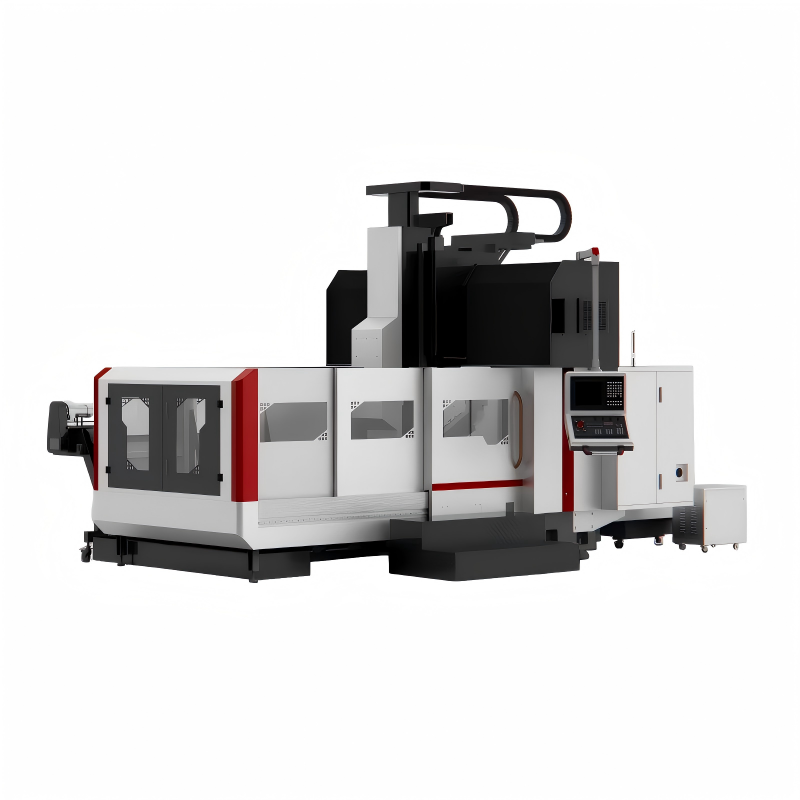
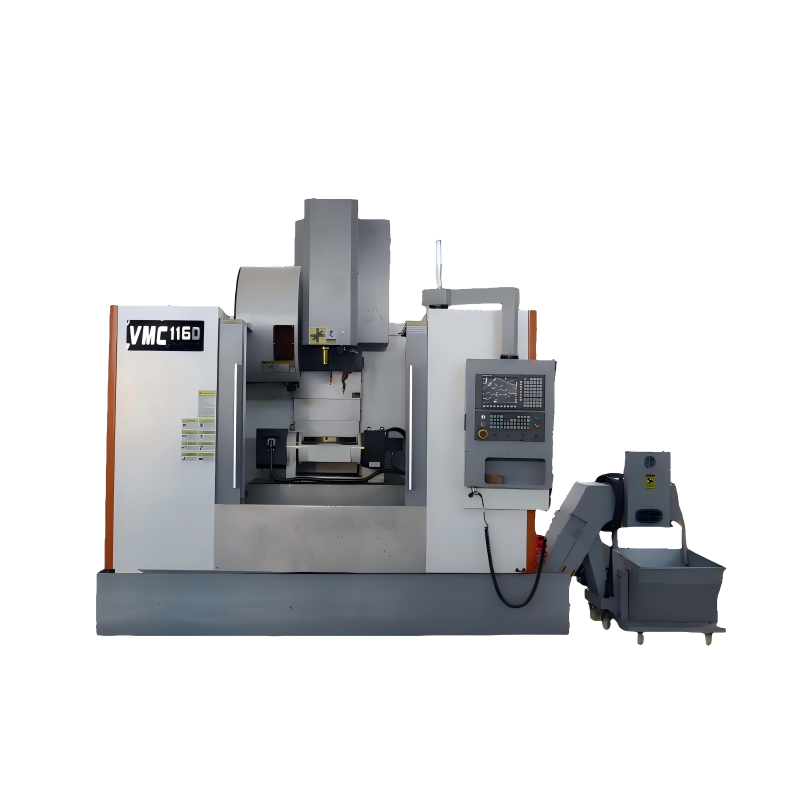
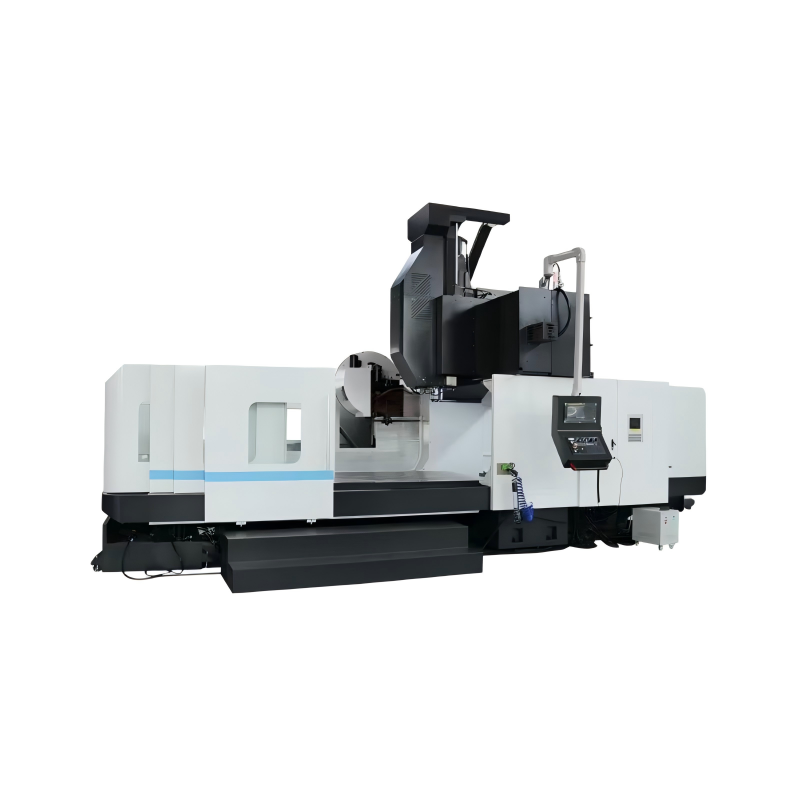
In the realm of precision machining, the Horizontal 2-Axis CNC Lathe stands out as a versatile and highly efficient tool. This technical report aims to explore the capabilities of this machine, emphasizing its role in achieving high-precision components, with a special focus on those that have been SGS certified. The analysis will cover several key aspects, including the operational principles, advanced features, and specific applications, providing a comprehensive understanding for engineers, machinists, and industry professionals.
The Horizontal 2-Axis CNC Lathe operates on the principle of computer numerical control (CNC), which allows for precise and automated control over the cutting process. The machine's two axes—X and Z—enable it to perform a wide range of operations, such as turning, facing, threading, and grooving. The X-axis controls the cross-slide movement, while the Z-axis manages the longitudinal movement of the cutting tool. This dual-axis configuration ensures that the lathe can handle complex geometries and produce parts with tight tolerances.
The spindle, which holds the workpiece, rotates at high speeds, allowing the cutting tool to remove material efficiently. The use of high-precision bearings and robust construction materials ensures minimal vibration and maximum stability during operation. This stability is crucial for maintaining the accuracy and surface finish of the machined parts. Additionally, the machine’s ability to be programmed with G-code instructions allows for the automation of repetitive tasks, thereby increasing productivity and reducing human error.
Modern Horizontal 2-Axis CNC Lathes are equipped with a variety of advanced features that enhance their performance and versatility. One of these features is the live tooling capability, which allows the lathe to perform milling and drilling operations in addition to traditional turning. This feature is particularly useful for producing complex parts that require multiple machining operations. The integration of a C-axis, which enables the spindle to rotate in controlled increments, further expands the machine’s capabilities, allowing for more intricate and detailed work.
Another significant feature is the automatic tool changer (ATC), which can store and switch between multiple tools without manual intervention. This not only speeds up the machining process but also reduces setup times, making the machine more efficient. The ATC system, combined with the high-speed spindle, ensures that the lathe can handle a wide range of materials, from soft plastics to hard metals, with ease. Furthermore, the inclusion of a coolant system helps to dissipate heat and reduce wear on both the cutting tools and the workpiece, ensuring longer tool life and better part quality.
The SGS certified CNC lathe designation is a testament to the machine’s adherence to stringent quality standards. SGS, a leading inspection, verification, testing, and certification company, conducts rigorous tests to ensure that the lathe meets international safety and performance criteria. This certification provides assurance to manufacturers and end-users that the machine is reliable and capable of delivering consistent, high-quality results.
The Horizontal 2-Axis CNC Lathe finds applications across various industries, including automotive, aerospace, medical, and general manufacturing. In the automotive sector, the lathe is used to produce engine components, such as crankshafts, camshafts, and pistons, which require high precision and durability. The aerospace industry relies on these machines to manufacture critical parts like turbine blades, shafts, and bushings, where even the slightest deviation can have severe consequences. The medical field benefits from the lathe’s ability to produce surgical instruments, implants, and other devices that demand exacting standards of accuracy and cleanliness.
In general manufacturing, the lathe is employed for the production of a wide array of parts, from simple turned components to more complex assemblies. The machine’s flexibility and precision make it an essential tool for prototyping and small-batch production, as well as for large-scale manufacturing. The ability to program and reprogram the machine quickly and easily makes it ideal for handling diverse and evolving product lines. Moreover, the integration of the lathe into a larger manufacturing system, such as a flexible manufacturing system (FMS) or a computer-integrated manufacturing (CIM) environment, enhances its efficiency and adaptability.
The SGS certified CNC lathe designation adds an extra layer of confidence for users, especially in industries where compliance with regulatory standards is paramount. The certification ensures that the machine meets the necessary requirements for safety, performance, and reliability, making it a preferred choice for manufacturers who need to maintain the highest levels of quality and consistency.
To ensure the optimal performance and longevity of the Horizontal 2-Axis CNC Lathe, regular maintenance is essential. Key maintenance practices include cleaning the machine, lubricating moving parts, and inspecting the spindle and tooling for wear and tear. The machine’s user interface often includes diagnostic tools and alerts that help operators identify potential issues before they become serious problems. Regular calibration of the machine’s axes and sensors is also crucial to maintain accuracy and prevent drift over time.
Training and education for operators are equally important. Proper training ensures that the machine is used correctly and safely, reducing the risk of damage and downtime. Many manufacturers offer comprehensive training programs, including hands-on sessions and online resources, to help operators become proficient in using the lathe. Additionally, the availability of technical support and spare parts from the manufacturer is a critical factor in maintaining the machine’s long-term reliability.
The SGS certified CNC lathe designation also plays a role in maintenance, as it signifies that the machine has undergone thorough testing and meets high standards of quality. This certification can be a valuable asset when it comes to securing service contracts and warranties, as it provides a benchmark for the expected performance and lifespan of the machine.
The Horizontal 2-Axis CNC Lathe is a powerful and versatile tool that plays a vital role in precision machining. Its advanced features, such as live tooling, automatic tool changers, and high-speed spindles, enable it to handle a wide range of materials and operations. The SGS certified CNC lathe designation ensures that the machine meets the highest standards of quality and performance, making it a trusted choice for manufacturers across various industries. By understanding the operational principles, advanced features, and maintenance requirements of the lathe, users can maximize its potential and achieve exceptional results in their machining processes.
 22/06/2026
In the realm of modern manufacturing, precision and quality are paramount. One tool that stands out in achieving these goals is the SGS certified CNC lathe. This article delves into the advantages of using an SGS certified CNC lathe, exploring its impact
Read More20/06/2026In the realm of precision machining, the demand for high-quality, reliable, and efficient machinery is ever-increasing. One such piece of equipment that has gained significant recognition in the industry is the SGS certified CNC lathe. This article delves
Read More20/06/2026Understanding the Importance of SGS Certification for CNC LathesIn the world of manufacturing, precision and reliability are key. A CNC (Computer Numerical Control) lathe is a machine that automates the process of cutting, shaping, or drilling materials w
Read More20/06/2026In the realm of precision engineering, CNC (Computer Numerical Control) lathes play a pivotal role in manufacturing components with high accuracy and consistency. Among these, SGS certified CNC lathes stand out due to their adherence to stringent quality
Read More19/06/2026In the world of manufacturing, ensuring the quality and reliability of machinery is paramount. When it comes to CNC lathes, one of the most critical certifications to look for is SGS certification. This document delves into what SGS certification means fo
Read More19/06/2026In today’s fast-paced manufacturing environment, the reliability and precision of machinery are paramount. Among the various tools available, SGS certified CNC lathes have emerged as a cornerstone for achieving high-quality production. This certification
Read More18/06/2026In the rapidly evolving landscape of manufacturing, the importance of precision and reliability cannot be overstated. For businesses aiming to stay competitive, investing in high-quality machinery is not just a choice but a necessity. Among the various op
Read More18/06/2026In the rapidly evolving landscape of precision manufacturing, the role of Computer Numerical Control (CNC) lathes has become increasingly pivotal. As manufacturers strive to meet stringent quality standards, certifications such as SGS have emerged as key
Read More18/06/2026SGS, a globally recognized leader in inspection, verification, testing, and certification services, has set the standard for excellence across numerous industries. When it comes to precision machining, SGS certified CNC lathes stand out as top-tier soluti
Read More17/06/2026In today's rapidly evolving manufacturing landscape, precision and reliability are paramount. One of the key tools that has revolutionized the industry is the CNC lathe. Among these, SGS certified CNC lathes stand out for their superior quality and perfor
Read More17/06/2026In today's competitive manufacturing landscape, ensuring the quality and reliability of machinery is paramount. One such critical piece of equipment in many industries is the Computer Numerical Control (CNC) lathe. For buyers, making an informed decision
Read More17/06/2026In today’s rapidly evolving manufacturing landscape, the selection of machinery for your workshop is a critical decision. This report delves into the advantages of choosing SGS certified CNC lathes, providing a comprehensive analysis of why these machines
Read More16/06/2026In today’s rapidly evolving manufacturing landscape, the integration of advanced technologies is crucial for maintaining a competitive edge. Among these, Computer Numerical Control (CNC) lathes play an indispensable role in precision machining. This repor
Read More16/06/2026SGS, a globally recognized inspection, verification, testing, and certification company, plays an essential role in ensuring the quality and safety of products across various industries. When it comes to CNC lathes, SGS certified CNC lathes have become th
Read More16/06/2026In the world of precision manufacturing, the importance of reliable and accurate machinery cannot be overstated. A CNC lathe that meets SGS certified standards is a prime example of equipment designed to deliver unparalleled performance and reliability. T
Read More28/05/2026In the realm of modern manufacturing, precision and quality are paramount. As industries continue to evolve, so too do the tools and technologies that support them. One such advancement is the integration of SGS certified CNC lathes into production lines.
Read More28/05/2026In today's competitive manufacturing landscape, ensuring the reliability and quality of machinery is paramount. One such critical piece of equipment in many industries is the Computer Numerical Control (CNC) lathe. The SGS certified CNC lathe stands out a
Read More28/05/2026Introduction to SGS Certified CNC Lathes In the world of precision machining, where accuracy and reliability are paramount, the role of certified machinery cannot be overstated. Among these, an SGS certified CNC lathe stands out as a beacon of quality and
Read MoreOur professional sales team is always ready to assist you.