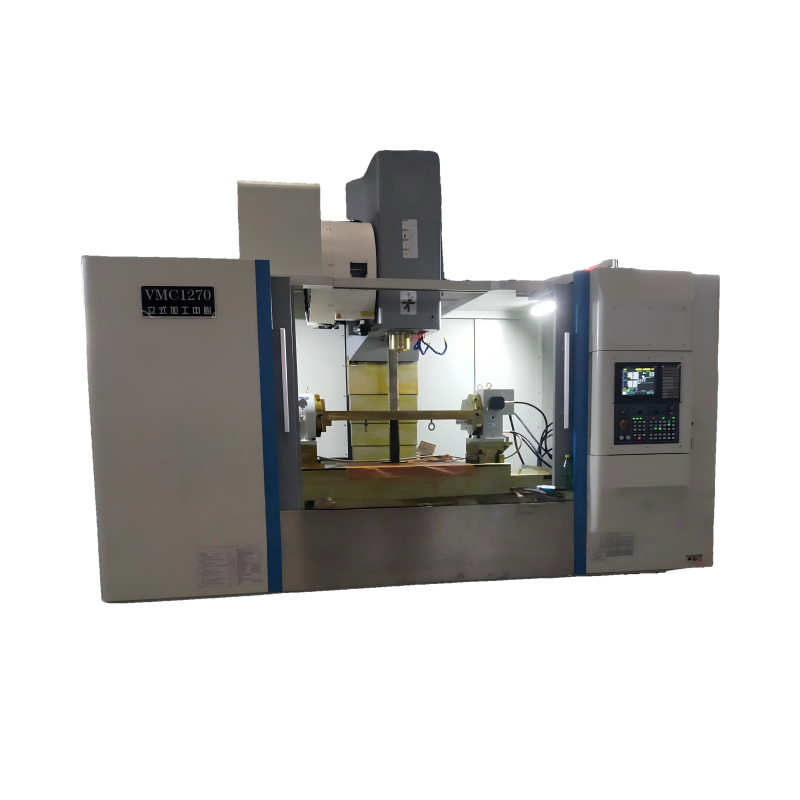
In the realm of Vertical Machining Centers (VMCs), the choice between different guiding systems can significantly impact the performance and longevity of the machine. Among these, the Box Way system stands out for its robustness and durability. This report aims to provide a comprehensive understanding of the durability aspects of the Box Way system, highlighting its advantages, design considerations, and maintenance requirements.
One of the key factors contributing to the durability of the Box Way system is its structural integrity. Box ways are typically made from high-quality cast iron, which provides excellent rigidity and resistance to deformation. The design of the box way involves a dovetail-shaped guide rail that fits snugly into a matching slot on the moving component. This interlocking mechanism ensures that the load is distributed evenly across the entire surface, reducing the risk of wear and tear.
Moreover, the large contact area between the guide rail and the moving component minimizes the pressure per unit area, further enhancing the system's ability to withstand heavy loads and high-speed operations. This structural design not only improves the overall stability of the VMC but also extends the lifespan of the machine by reducing the need for frequent repairs or replacements.
The choice of materials and surface treatments plays a crucial role in the durability of the Box Way system. High-grade cast iron is commonly used due to its excellent mechanical properties, including high tensile strength and good wear resistance. Additionally, the surface of the guide rails and slots is often treated with processes such as scraping, grinding, or lapping to achieve a smooth and precise finish.
Scraping, in particular, is a manual process where a skilled technician uses a scraper to remove small amounts of material, creating a perfectly flat and smooth surface. This process not only enhances the precision of the Box Way system but also reduces friction, leading to smoother and more efficient operation. Furthermore, the use of advanced coatings, such as chrome plating or ceramic coatings, can further enhance the wear resistance and corrosion protection of the guide surfaces.
Proper maintenance and lubrication are essential for ensuring the long-term durability of the Box Way system. Regular inspection and cleaning of the guide surfaces help to remove any debris or contaminants that could cause premature wear. Additionally, the use of high-quality lubricants, such as way oil or grease, is critical for maintaining the smooth operation of the system.
Lubrication serves multiple purposes: it reduces friction between the moving components, dissipates heat generated during operation, and prevents corrosion. The type and frequency of lubrication depend on the specific application and operating conditions. For instance, in high-speed or high-load applications, more frequent lubrication may be required to ensure optimal performance. Implementing an effective lubrication schedule and using the right type of lubricant can significantly extend the life of the Box Way system and reduce downtime.
Thermal stability is another critical aspect of the Box Way system's durability. During operation, VMCs can generate significant heat, which can cause thermal expansion and contraction of the machine components. The Box Way system, with its rigid and stable design, is better equipped to handle these thermal variations compared to other guiding systems like linear guides.
Additionally, the Box Way system is less susceptible to environmental factors such as dust, chips, and coolant. The enclosed nature of the box way design helps to protect the guide surfaces from contaminants, reducing the risk of damage and wear. This makes the Box Way system particularly suitable for harsh industrial environments where the presence of contaminants is common.
The durability of the Box Way system in VMC applications is a result of its robust structural design, careful material selection, and proper maintenance. The interlocking mechanism, high-quality cast iron, and advanced surface treatments all contribute to the system's ability to withstand heavy loads and high-speed operations. Regular maintenance and lubrication, along with the inherent thermal and environmental stability, further enhance the longevity of the Box Way system, making it a preferred choice for many VMC applications.
 23/06/2026
Understanding the Core of Box Way Technology in VMCIn the realm of modern Vertical Machining Centers (VMC), the design and implementation of guide ways play a crucial role in determining the machine's performance, precision, and longevity. Among the vario
Read More23/06/2026When it comes to selecting the right way for your Vertical Machining Center (VMC), understanding the differences between Box Way and Hard Way is crucial. These two systems represent different approaches to the machine's movement, each with its own set of
Read More23/06/2026In the realm of modern Vertical Machining Centers (VMCs), the choice between box way and hard way systems significantly impacts machine performance, longevity, and overall efficiency. This report delves into the advantages of box way systems in VMC techno
Read MoreOur professional sales team is always ready to assist you.