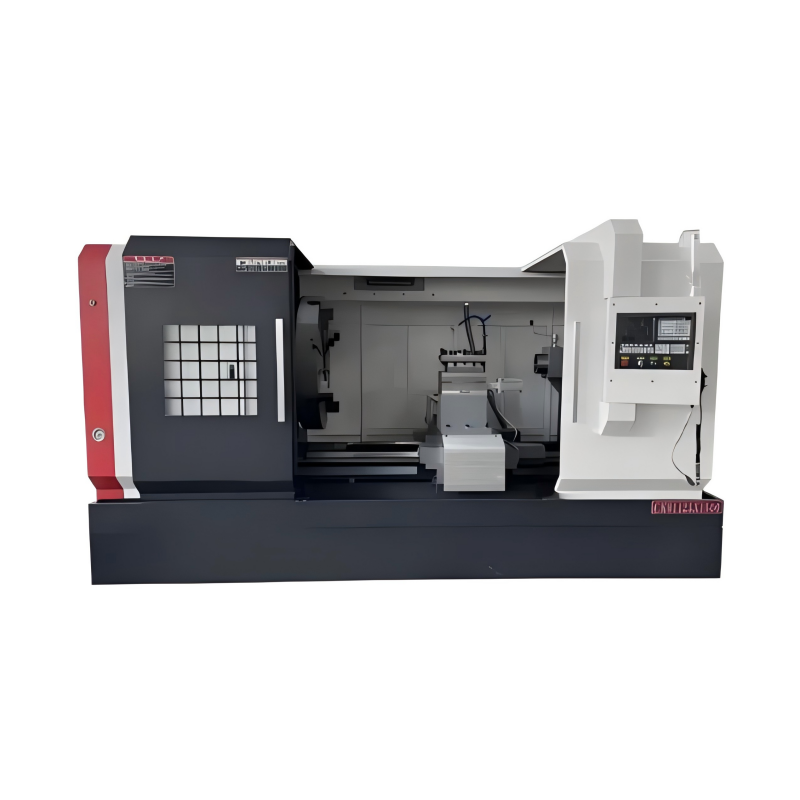
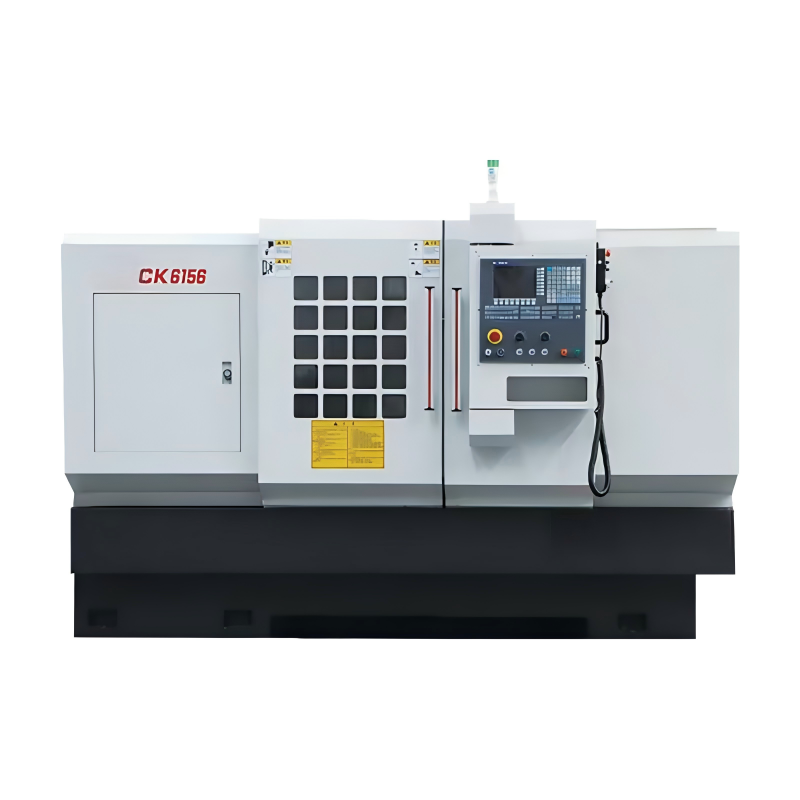
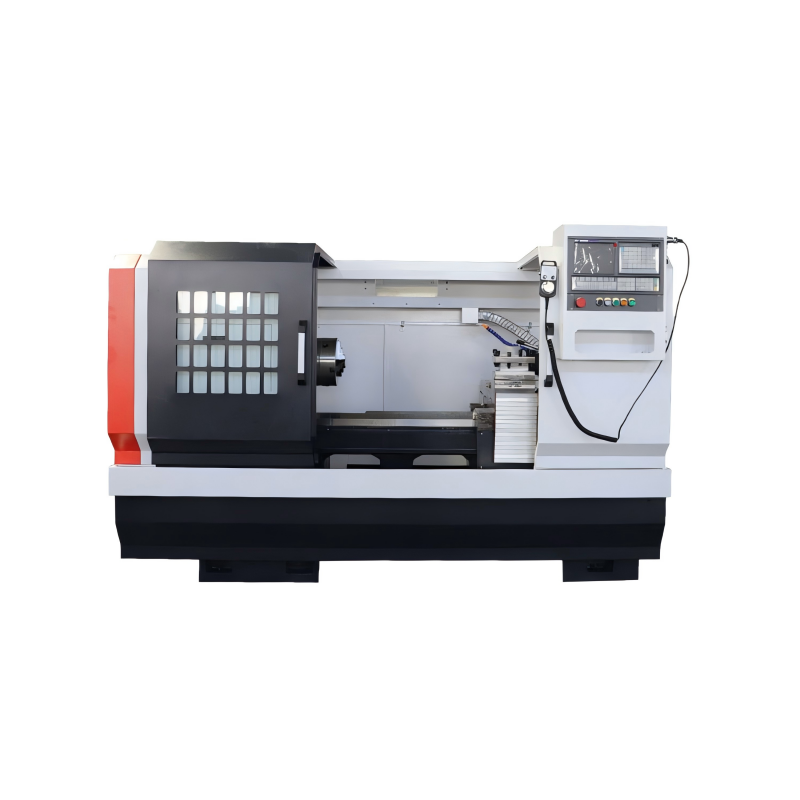
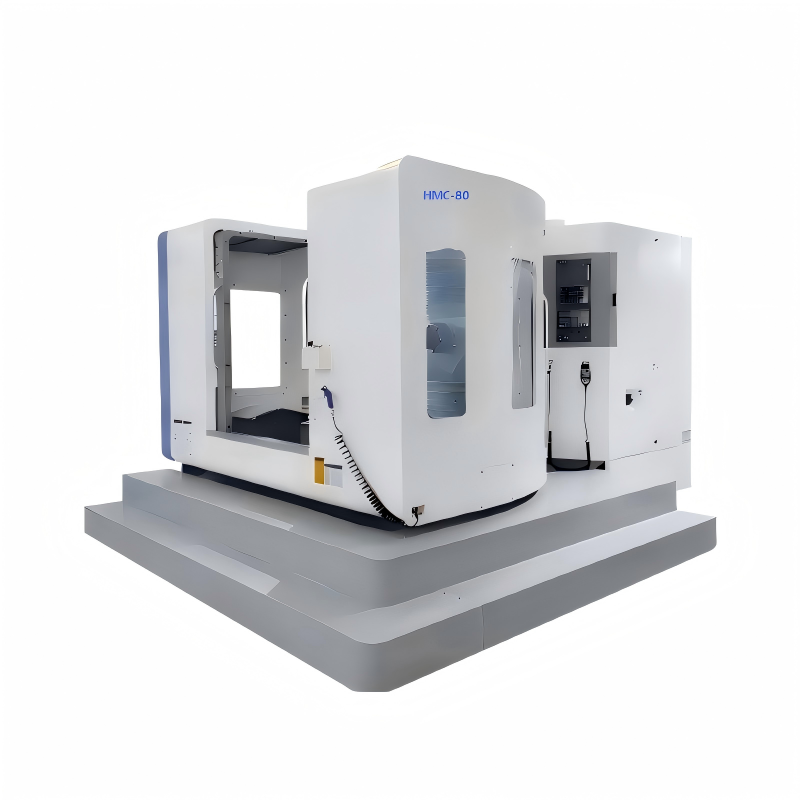
With the rapid development of manufacturing technology, the demand for precision and efficiency in machining processes has increased significantly. One of the key machines that have emerged to meet this demand is the fully automatic horizontal CNC lathe. This machine, widely produced and used in China, represents a significant advancement in the field of metalworking. In this report, we will delve into the key features of a fully automatic horizontal CNC Lathe, exploring its capabilities, advantages, and the technological advancements that make it a preferred choice in modern manufacturing.
The evolution of CNC (Computer Numerical Control) technology in China has been nothing short of remarkable. Over the past few decades, Chinese manufacturers have made significant strides in developing and refining CNC machines, including the Fully automatic horizontal CNC lathe. These machines are now capable of performing complex operations with high precision and repeatability, making them indispensable in various industries such as automotive, aerospace, and electronics.
One of the key factors driving the advancement of CNC technology in China is the country's strong focus on research and development. Government initiatives and investments in the manufacturing sector have played a crucial role in fostering innovation. Additionally, the collaboration between Chinese universities, research institutions, and industry leaders has led to the development of cutting-edge technologies and solutions.
A fully automatic horizontal CNC lathe is designed to perform a wide range of machining operations with minimal human intervention. The key features that set it apart from traditional lathes include:
These features collectively contribute to the high performance and reliability of fully automatic horizontal CNC lathes, making them a preferred choice for manufacturers seeking to improve their production efficiency and product quality.
The adoption of fully automatic horizontal CNC lathes offers several advantages that can significantly impact a manufacturer's bottom line. Some of the key benefits include:
These advantages highlight the value of fully automatic horizontal CNC lathes in modern manufacturing, making them an essential tool for companies looking to stay competitive and meet the demands of a rapidly evolving market.
The continuous improvement and innovation in fully automatic horizontal CNC lathes are driven by advancements in several key areas of technology. These advancements not only enhance the machine's performance but also expand its capabilities, making it a more versatile and efficient tool for modern manufacturing. Some of the notable technological advancements include:
These technological advancements underscore the ongoing evolution of fully automatic horizontal CNC lathes, making them more powerful, efficient, and adaptable to the needs of modern manufacturing. As the technology continues to advance, we can expect even more innovative features and capabilities that will further enhance the performance and versatility of these machines.
The fully automatic horizontal CNC lathe, a product of China's advanced manufacturing capabilities, is a testament to the progress made in CNC technology. With its high precision, automation, and flexibility, it has become an indispensable tool in various industries. The key features and technological advancements discussed in this report highlight the machine's ability to deliver high-quality, cost-effective, and efficient manufacturing solutions. As the manufacturing landscape continues to evolve, the fully automatic horizontal CNC lathe will undoubtedly play a crucial role in shaping the future of precision machining.
 22/06/2026
In the realm of precision machining, the fully automatic horizontal CNC lathe from China stands out as a beacon of technological advancement. This article delves into the intricacies and advantages of the high precision flat bed CNC lathe, highlighting it
Read More22/06/2026The advancement in manufacturing technology has brought about significant improvements in the efficiency and precision of production processes. Among these advancements, the fully automatic horizontal CNC lathe from China stands out as a transformative so
Read More22/06/2026Understanding the Basics of Fully Automatic Horizontal CNC LathesIn today's rapidly evolving manufacturing landscape, choosing the right machinery is crucial for maintaining a competitive edge. One such essential tool is the fully automatic horizontal CNC
Read More22/06/2026In the realm of modern manufacturing, the adoption of advanced technologies plays a crucial role in enhancing productivity, precision, and overall efficiency. One such technology that has gained significant traction is the fully automatic horizontal CNC l
Read More16/06/2026As the demand for precision machining continues to grow, manufacturers are increasingly looking towards solutions that can fit into compact spaces without compromising on performance. One such solution is the fully automatic horizontal CNC lathe, which ha
Read MoreOur professional sales team is always ready to assist you.