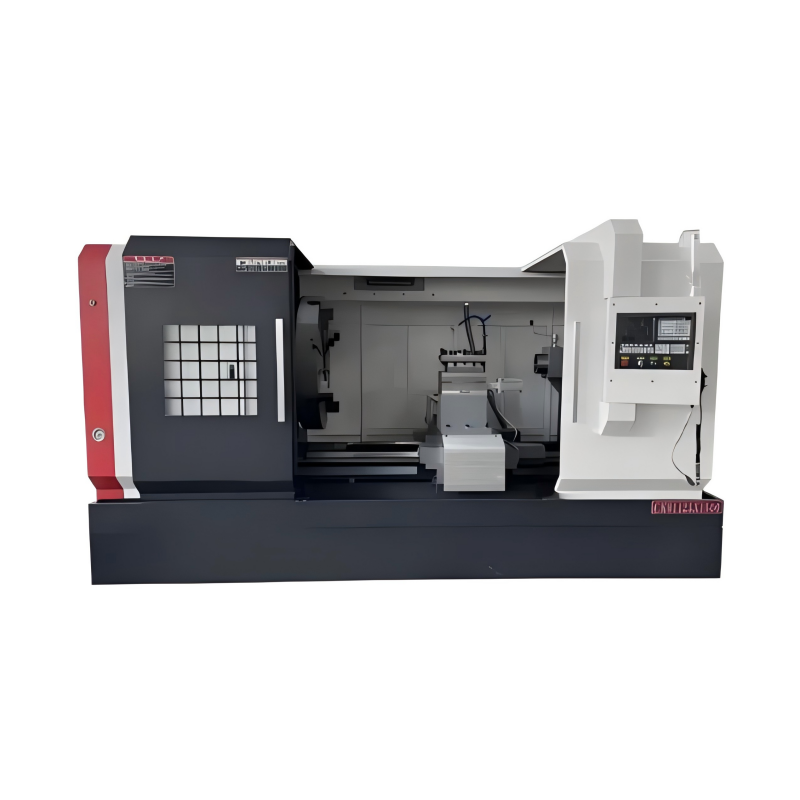
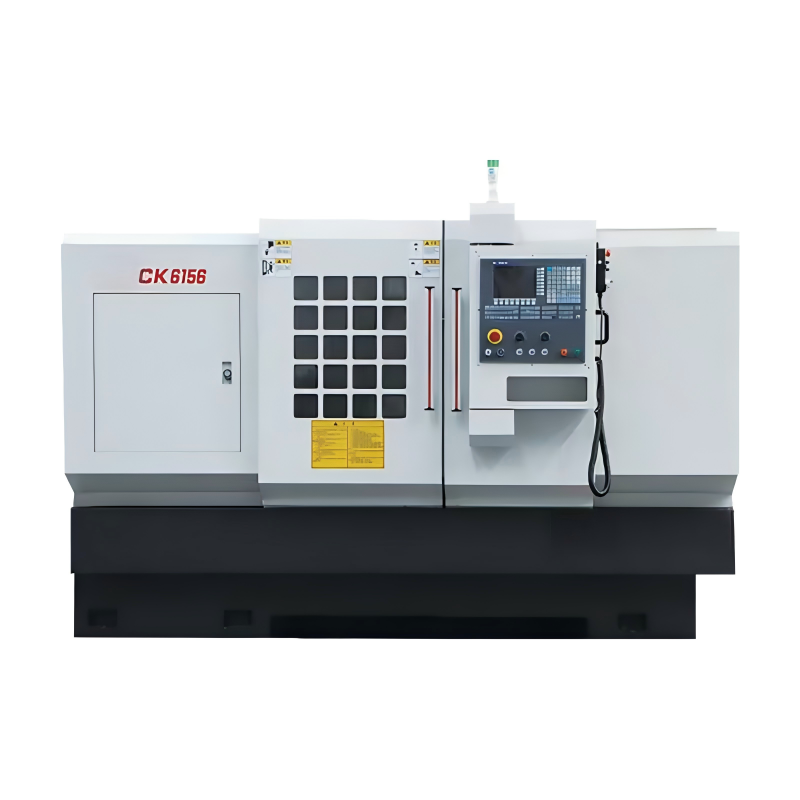
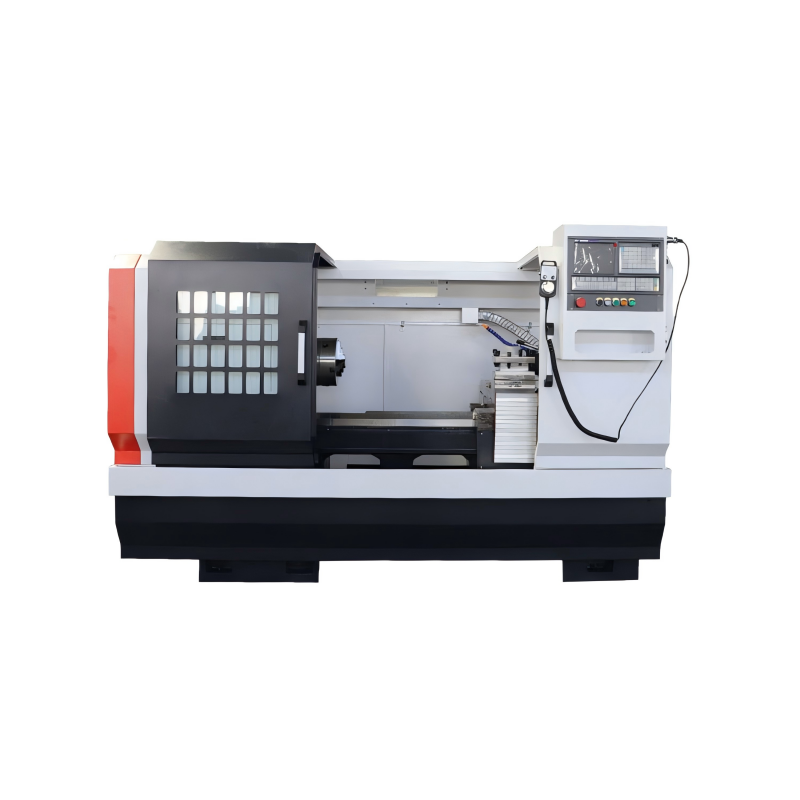
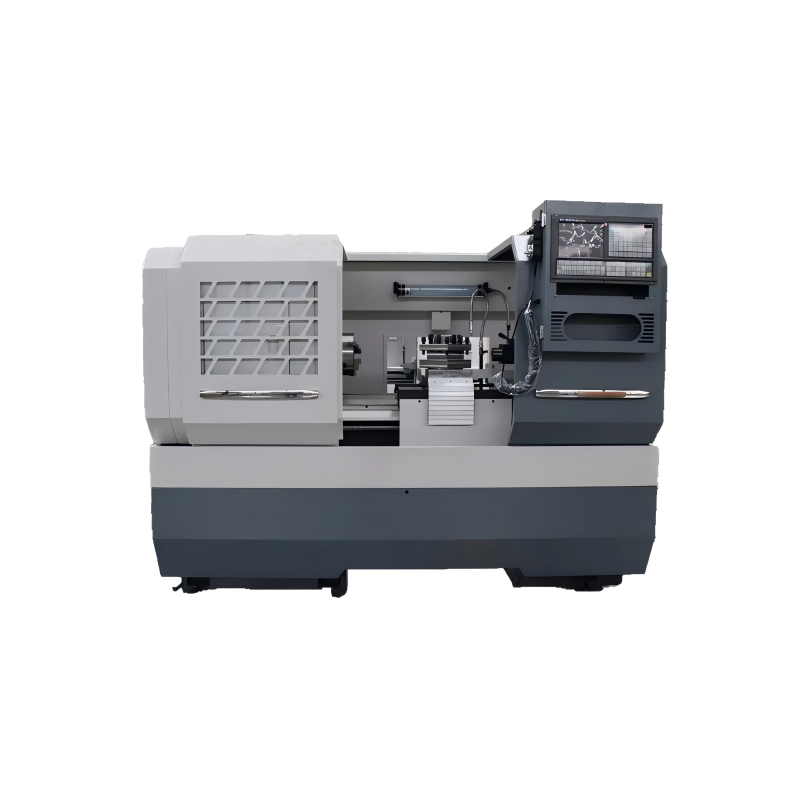
The advancement of manufacturing technology has led to the development of highly efficient and precise machinery, among which the horizontal CNC Lathe with turret stands out. In China, where the manufacturing sector is rapidly evolving, this type of machine plays a crucial role in producing components with high precision and complexity. The integration of computer numerical control (CNC) technology allows for automated operations, enhancing both productivity and accuracy. This section will explore the fundamental characteristics and applications of these lathes, setting the stage for a deeper dive into their mechanics.
A horizontal CNC lathe with turret is a sophisticated piece of equipment designed to perform multiple machining operations on a workpiece. The core components include the spindle, turret, tool holders, and the CNC system. The spindle holds the workpiece and rotates it at high speeds, while the turret, equipped with various cutting tools, moves along the X and Z axes to perform turning, drilling, and other operations. The CNC system controls the entire process, ensuring that each operation is carried out with the highest level of precision. Understanding these components and their functions is essential for optimizing the performance of the machine and achieving the desired results.
The mechanical principles underlying the high-precision operations of a horizontal CNC lathe with turret are multifaceted. One of the key principles is the rigidity of the machine, which is critical for maintaining stability during high-speed operations. The design of the machine, including the use of heavy-duty materials and robust construction, ensures that vibrations are minimized, leading to more accurate cuts. Additionally, the precision of the CNC system, which includes advanced algorithms and real-time feedback, allows for fine adjustments and corrections during the machining process. This combination of mechanical and computational elements is what enables the lathe to achieve the high levels of precision required in modern manufacturing.
The use of a horizontal CNC lathe with turret offers several advantages in the manufacturing process. First, the automation provided by the CNC system significantly reduces the need for manual intervention, thereby increasing productivity and reducing labor costs. Second, the ability to perform multiple operations on a single machine, such as turning, drilling, and milling, streamlines the production process and reduces setup times. Third, the high precision and repeatability of the machine ensure that parts are manufactured to exact specifications, reducing waste and improving overall quality. These advantages make the horizontal CNC lathe with turret an indispensable tool in modern manufacturing, particularly in industries that require high-precision components.
Despite the numerous benefits, the implementation of horizontal CNC lathes with turrets in manufacturing also presents some challenges. One of the primary challenges is the initial cost of the machine, which can be significant. However, this cost is often offset by the long-term savings in labor and increased efficiency. Another challenge is the need for skilled operators who can program and maintain the CNC system. Training programs and continuous education can help address this issue. Additionally, the complexity of the machine requires regular maintenance to ensure optimal performance. Implementing a comprehensive maintenance schedule and using high-quality replacement parts can help mitigate this challenge. By addressing these issues, manufacturers can fully leverage the capabilities of horizontal CNC lathes with turrets and achieve sustainable growth.
In conclusion, the horizontal CNC lathe with turret is a vital tool in the modern manufacturing landscape, particularly in China, where the industry is rapidly advancing. The combination of mechanical precision and advanced CNC technology makes these machines capable of producing high-precision components with unparalleled efficiency. As the demand for high-precision parts continues to grow, the adoption of these lathes is likely to increase, driving further innovation and improvements in manufacturing processes. Manufacturers who invest in these machines and the necessary training and maintenance will be well-positioned to meet the demands of the future and stay competitive in the global market.
 14/06/2026
When it comes to selecting the best Horizontal CNC lathe with turret China, there are several key factors to consider. This comprehensive guide will help you navigate through the process, ensuring that you make an informed decision that meets your specifi
Read More14/06/2026Introduction to Horizontal CNC Lathes with Turret Mechanisms in ChinaIn the domain of precision machining, horizontal Computer Numerical Control (CNC) lathes have become a cornerstone for industries requiring high accuracy and efficiency. Among these, Hor
Read More14/06/2026In the rapidly evolving landscape of manufacturing, precision and efficiency are paramount. Among the many tools that have transformed this sector, the Horizontal CNC lathe with turret stands out as a pivotal innovation, especially in China, where advance
Read More14/06/2026In the realm of precision machining, the integration of advanced technologies like the horizontal CNC lathe with turret in China has significantly elevated manufacturing standards. This report delves into the pivotal role that turrets play in enhancing th
Read More14/06/2026The Evolution of CNC Technology and Its Impact on Modern MachiningComputer Numerical Control (CNC) technology has revolutionized the manufacturing industry, offering precision, efficiency, and versatility in production processes. A horizontal CNC lathe wi
Read More14/06/2026In the realm of precision manufacturing, the Horizontal CNC lathe with turret has emerged as a pivotal tool for enhancing productivity and efficiency. Originating from China, these advanced machines are designed to meet the stringent demands of modern ind
Read More14/06/2026When it comes to selecting a Horizontal CNC lathe with turret from Chinese manufacturers, the process can be quite intricate. This report aims to guide you through the essential factors to consider, ensuring that your investment is both efficient and effe
Read More14/06/2026Automation has become a driving force behind the advancement of manufacturing technologies, particularly in the field of CNC (Computer Numerical Control) machining. The horizontal CNC lathe with turret, a versatile machine widely used in China and around
Read More14/06/2026When it comes to precision machining, the Horizontal CNC lathe with turret is a staple in many manufacturing facilities across China. This type of machine offers versatility and efficiency, making it an essential tool for producing high-accuracy component
Read More14/06/2026China has emerged as a leading manufacturer of horizontal CNC lathes with turret, offering high-precision and efficient solutions for various industrial applications. The maintenance of these machines is crucial to ensure their longevity and optimal perfo
Read More14/06/2026In the realm of precision machining, the advancements in horizontal CNC lathe with turret technology have opened up new possibilities for manufacturers around the globe. This report delves into the innovations emerging from China, a country that has becom
Read More14/06/2026When it comes to selecting a horizontal CNC lathe with turret for your production needs, especially one manufactured in China, several key factors must be considered. This guide aims to provide you with the necessary insights to make an informed decision
Read More14/06/2026The global manufacturing landscape is undergoing a transformation, driven by advancements in technology and increasing demands for precision and efficiency. Within this context, the role of China as a key player in the global horizontal CNC lathe market h
Read More14/06/2026In the realm of modern manufacturing, the Horizontal CNC Lathe with Turret from China has emerged as a critical tool, offering unparalleled precision, efficiency, and versatility. This article delves into the key advantages that make this machine an indis
Read MoreOur professional sales team is always ready to assist you.