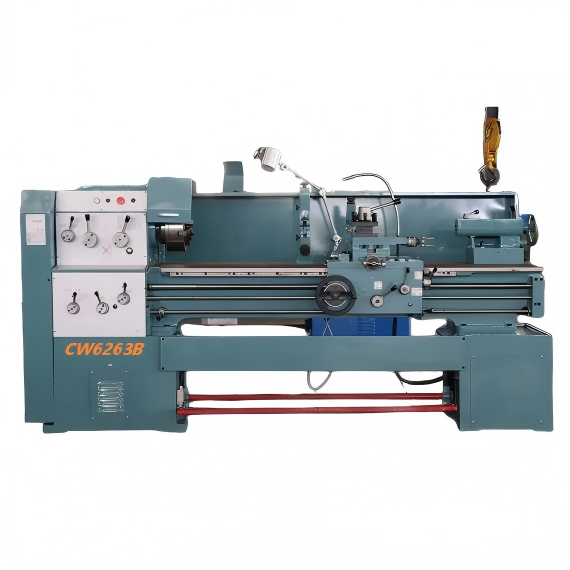
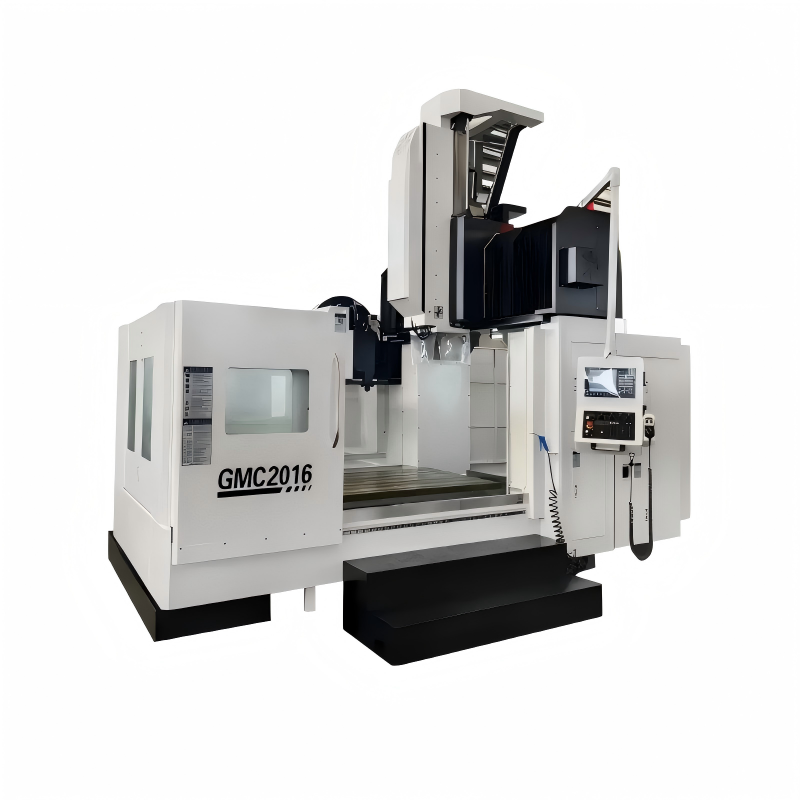
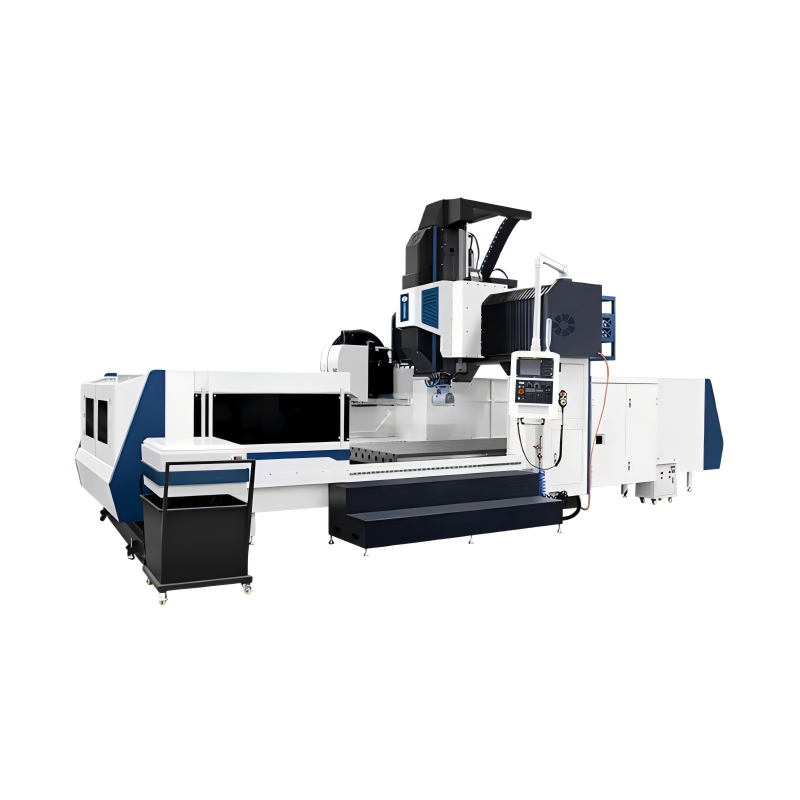
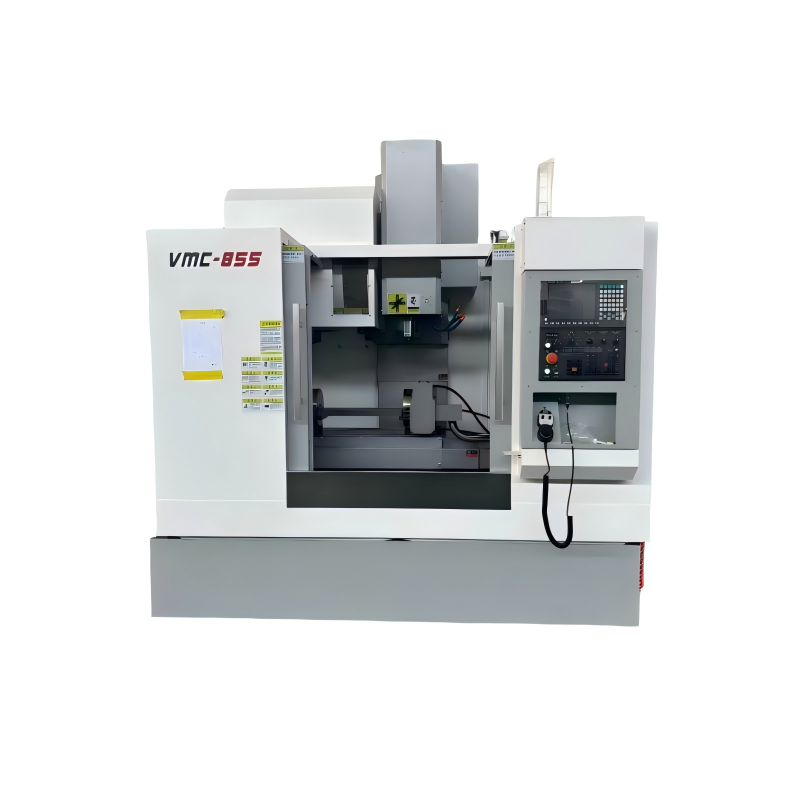
In the realm of modern manufacturing, precision is not just a preference but a necessity. One of the key components that ensure this precision in CNC lathes is the box way or hard rail system. This technical report aims to provide an in-depth understanding of how box ways contribute to the accuracy and reliability of contemporary CNC Lathes.
The term "box way" refers to a type of linear motion system where the guide rails are enclosed within a box-like structure. In the context of CNC lathes, these systems are crucial for maintaining the alignment and smooth movement of the lathe's moving parts. The design of a box way involves a dovetail-shaped rail that fits into a corresponding groove on the bed of the machine. This setup ensures that there is minimal play between the components, which is essential for achieving high levels of precision during machining operations.
Box ways are known for their robustness and durability. They can handle heavy loads and maintain their accuracy over long periods, making them ideal for industrial applications where consistent performance is critical. Unlike other types of linear guides, such as ball screws or roller guides, box ways do not require regular adjustments, thus reducing downtime and maintenance costs.
One of the primary advantages of employing box ways in CNC lathes is the enhanced stability they offer. The rigid construction of box ways minimizes vibrations and deflections, which are common issues in machining processes. This stability translates into better surface finishes and tighter tolerances, both of which are vital for producing high-quality parts.
Another significant benefit is the increased load capacity. Box ways are designed to support heavier workpieces and tools, allowing for more versatile and efficient machining. This capability is particularly important in industries such as aerospace and automotive, where large and complex components are often machined.
Furthermore, box ways are less susceptible to contamination from chips and coolant. The enclosed nature of the system provides a natural barrier against debris, which can otherwise cause wear and tear on the guide surfaces. This feature contributes to the longevity of the machine and reduces the need for frequent cleaning and maintenance.
While box ways offer numerous benefits, there are also some challenges and considerations that must be addressed when implementing them in CNC lathes. One of the main concerns is the initial cost. Box ways are generally more expensive than other types of linear guides due to their robust construction and precision engineering. However, the long-term savings in terms of reduced maintenance and improved productivity often justify the higher upfront investment.
Another consideration is the installation process. Box ways require precise alignment and fitting, which can be time-consuming and labor-intensive. Skilled technicians and specialized tools are often needed to ensure that the system is installed correctly. Additionally, the weight and size of the box way components can make them challenging to handle, especially in larger machines.
Finally, while box ways are highly durable, they are not immune to wear. Over time, the sliding surfaces can become worn, leading to increased friction and potential inaccuracies. Regular lubrication and periodic inspection are necessary to maintain optimal performance. Some manufacturers offer self-lubricating options or advanced coatings to mitigate these issues, but these solutions may add to the overall cost.
When comparing box ways to other types of linear guides, such as ball screws and roller guides, several factors come into play. Ball screws, for example, offer high precision and smooth operation but may not be as robust as box ways. They are also more susceptible to damage from contaminants and require more frequent maintenance. Roller guides, on the other hand, provide excellent load capacity and rigidity but can be more complex to install and adjust.
Box ways stand out for their combination of durability, stability, and load-bearing capacity. They are particularly well-suited for applications where heavy loads and high precision are required. However, the choice of linear guide ultimately depends on the specific needs and constraints of the application. Factors such as budget, maintenance requirements, and the desired level of precision should all be considered when selecting the most appropriate system.
As technology continues to advance, so too does the design and functionality of box ways. One emerging trend is the integration of smart sensors and monitoring systems. These technologies can provide real-time data on the condition of the box way, allowing for predictive maintenance and early detection of potential issues. This proactive approach can help extend the lifespan of the machine and reduce unexpected downtime.
Additionally, advancements in materials science are leading to the development of new, more durable materials for box way components. For example, some manufacturers are exploring the use of advanced alloys and composite materials that offer improved wear resistance and reduced friction. These innovations have the potential to further enhance the performance and longevity of box ways in CNC lathes.
Finally, the increasing demand for customization and flexibility in manufacturing is driving the development of modular box way systems. These systems allow for easy reconfiguration and adaptation to different machining requirements, providing greater versatility and efficiency. As the industry continues to evolve, it is likely that we will see even more innovative solutions that push the boundaries of what is possible with box way technology.
In conclusion, the box way or hard rail CNC lathe is a critical component in ensuring the precision and reliability of modern CNC lathes. While they present some challenges in terms of cost and installation, the benefits of enhanced stability, load capacity, and durability make them a preferred choice for many industrial applications. As technology advances, the future of box way systems looks promising, with ongoing innovations set to further improve their performance and adaptability.
 16/06/2026
In the realm of heavy-duty CNC lathe applications, the choice between box way and hard rail systems is a critical decision that can significantly impact the performance, durability, and overall efficiency of the machine. This technical report delves into
Read More16/06/2026In the realm of precision manufacturing, CNC lathes are indispensable tools that demand meticulous maintenance to ensure optimal performance and longevity. Among the various components of a CNC lathe, the box way, also known as the hard rail, plays a crit
Read More16/06/2026In the realm of precision machining, CNC lathes are indispensable tools that enable manufacturers to produce parts with high accuracy and efficiency. Among the different types of CNC lathes, those equipped with hard rail systems, also known as box way lat
Read More15/06/2026Understanding the Basics of Box Way Technology in CNC LathesIn the realm of precision machining, the choice between box way and linear guide systems for CNC lathe applications significantly impacts overall performance. Box ways, also known as box slides,
Read More15/06/2026In the world of precision manufacturing, the role of CNC lathes cannot be overstated. These machines are pivotal for producing parts with high accuracy and repeatability. Among the various components that contribute to a CNC lathe's performance, the guidi
Read MoreOur professional sales team is always ready to assist you.