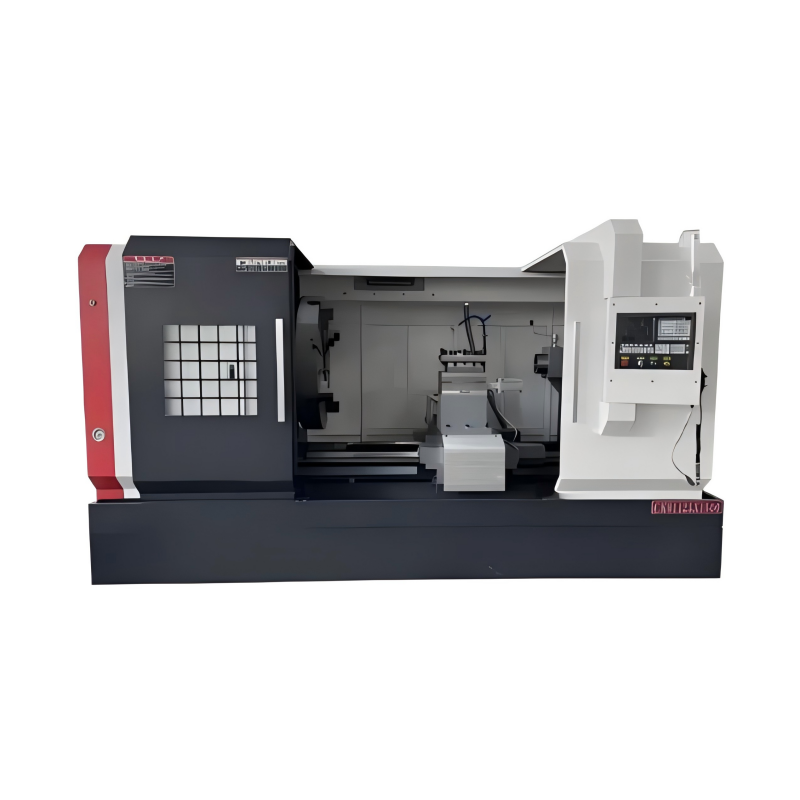
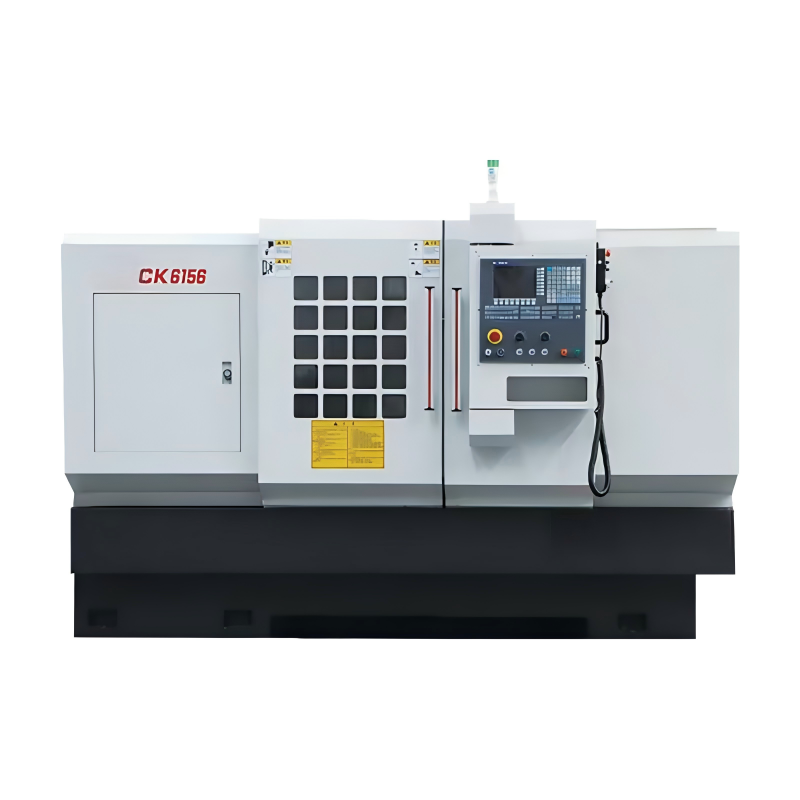
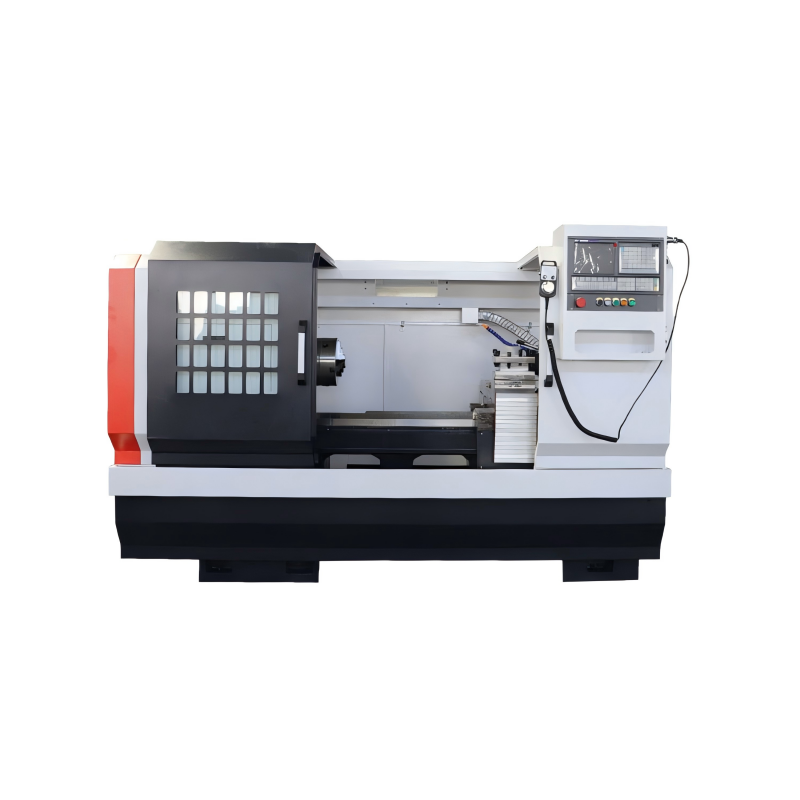
Understanding the intricacies of the pricing structure for horizontal CNC lathes in Chinese markets is crucial for both domestic and international buyers. This report aims to provide a comprehensive analysis, breaking down the factors that influence the final cost of these machines. By examining the manufacturing process, market dynamics, and additional costs, we can gain a clearer picture of what determines the price tag on a Horizontal CNC Lathe from China.
Manufacturing Costs: The Backbone of Pricing
The foundation of any product's price, including a Horizontal CNC lathe, lies in its manufacturing costs. These include raw materials, labor, and overhead expenses. In China, the availability of raw materials and the cost of labor play significant roles in determining the overall production cost. For instance, steel, which is a primary material used in the construction of CNC lathes, is abundant in China, making it more cost-effective compared to other countries. Additionally, the relatively lower labor costs in China contribute to a more competitive pricing structure. However, it's important to note that the quality of raw materials and the skill level of the workforce can vary, impacting the final product's durability and precision.
Market Dynamics: Supply and Demand Influences
The supply and demand dynamics within the Chinese market significantly affect the price of Horizontal CNC lathes. China is one of the largest producers and consumers of CNC machinery globally, creating a robust internal market. The high demand for these machines, driven by the country's booming manufacturing sector, often leads to stable prices. However, fluctuations in global demand, such as those caused by economic downturns or shifts in trade policies, can impact the pricing. Furthermore, the presence of numerous manufacturers in China means that competition is fierce, which can drive prices down. Buyers should be aware of these market forces when evaluating the price of a Horizontal CNC lathe from China.
Additional Costs: Beyond the Base Price
Beyond the base manufacturing cost, several additional factors can influence the final price of a Horizontal CNC lathe. These include transportation, import duties, and after-sales services. For international buyers, shipping costs can add a significant amount to the total price, especially if the machine is being transported over long distances. Import duties and taxes also need to be considered, as they can vary widely depending on the destination country. Additionally, the availability and quality of after-sales services, such as maintenance, repairs, and technical support, can affect the overall value of the purchase. Some manufacturers may offer comprehensive service packages, which, while increasing the initial cost, can provide long-term benefits and peace of mind.
In conclusion, the price of a Horizontal CNC lathe from China is influenced by a complex interplay of manufacturing costs, market dynamics, and additional expenses. Understanding these factors is essential for making an informed purchasing decision. By considering the quality of the raw materials, the skill of the workforce, the current market conditions, and the total cost of ownership, buyers can ensure they are getting the best value for their investment.

 17/06/2026



