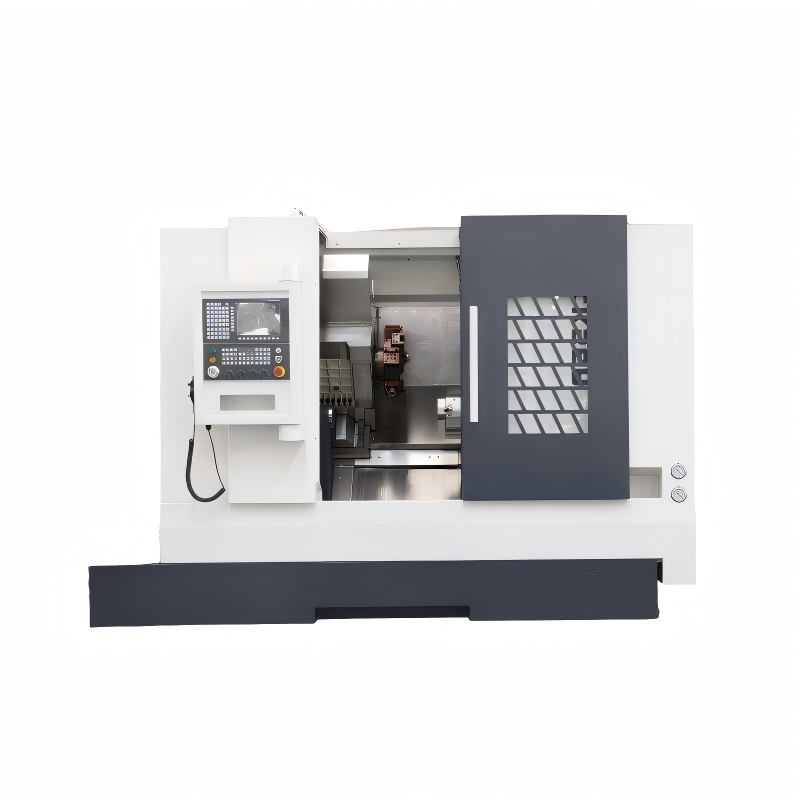
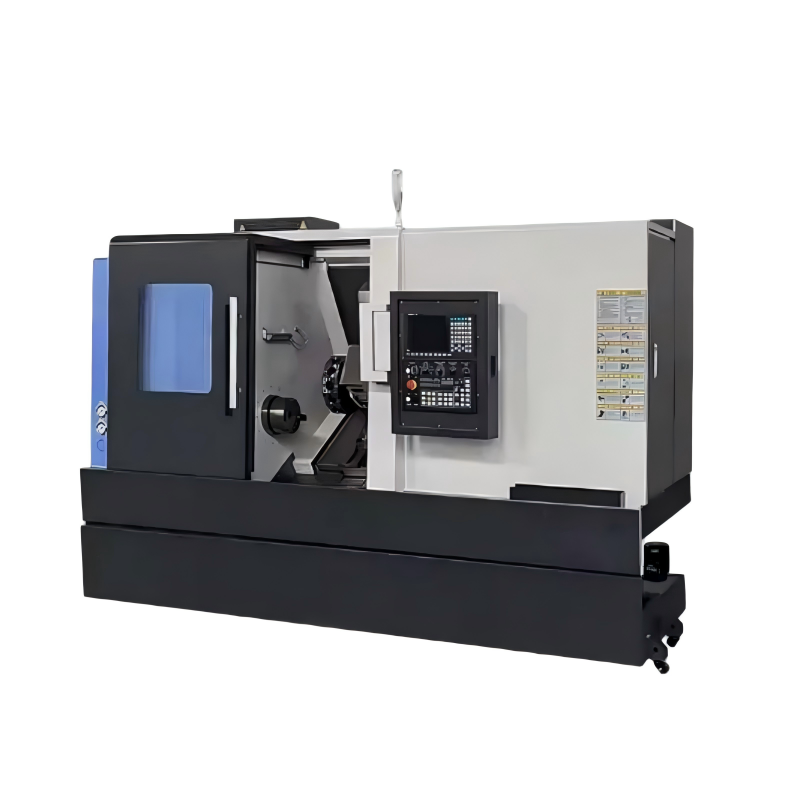
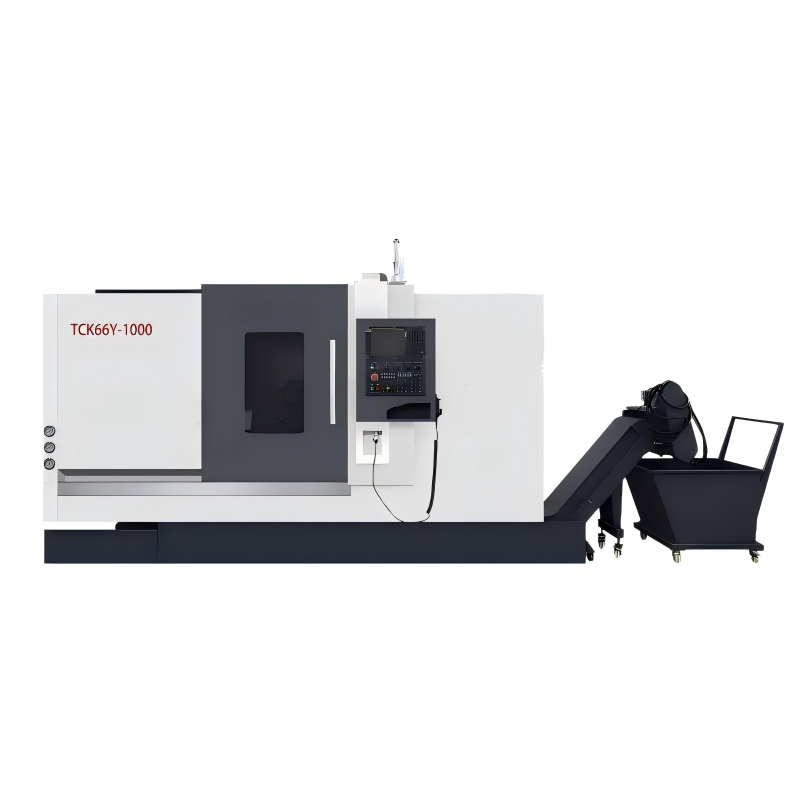
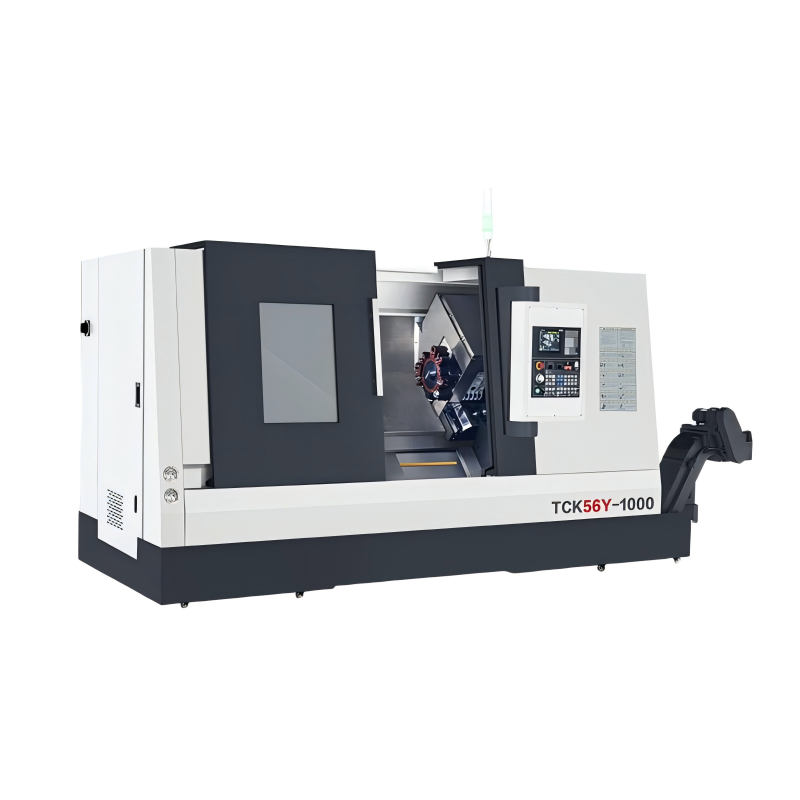
The foundation of any CNC (Computer Numerical Control) milling machine lies in its robust construction and the precision of its components. These machines are designed to perform complex cutting operations with high accuracy, making them indispensable in modern manufacturing processes. To fully grasp how a CNC milling machine operates, it is essential first to understand its key parts.
The frame or structure of a CNC milling machine is the backbone that supports all other components. It must be sturdy enough to withstand the forces generated during operation without deforming. Typically, these frames are made from cast iron or steel, providing stability and reducing vibrations, which could otherwise affect the quality of the workpiece.
The spindle is where the cutting tool is mounted. In a Turning and Milling Machine, the spindle rotates at high speeds, enabling the cutting tool to remove material from the workpiece efficiently. The type of tool holder used can vary depending on the specific application, but common types include collets, chucks, and quick-change systems. Proper selection and maintenance of the spindle and tool holders are crucial for achieving optimal performance and longevity of the machine.
The control system is the brain of the CNC milling machine, responsible for translating the digital instructions into physical movements. Modern CNC machines use advanced software and hardware interfaces that allow operators to program, monitor, and adjust the machining process with ease. This not only enhances productivity but also ensures that each operation is performed with the highest level of precision and repeatability.
Once the physical setup of a CNC milling machine is complete, the next critical step involves programming and operating the machine. Effective programming is key to realizing the full potential of a CNC milling machine, as it determines the efficiency and accuracy of the machining process. Here, we will explore the steps involved in setting up and running a CNC milling job.
The first step in using a CNC milling machine is creating the program that will guide the machine through the cutting process. This is typically done using CAD (Computer-Aided Design) and CAM (Computer-Aided Manufacturing) software. The CAD software is used to design the part, while the CAM software generates the G-code, a set of instructions that the CNC machine understands. The G-code specifies the tool paths, speeds, and feeds required to produce the desired part.
After the program has been created, the next step is to set up the workpiece and the tools. This involves securing the workpiece to the machine's table or vise, ensuring it is properly aligned and clamped. The correct tools must also be selected and installed in the spindle. Proper tool selection, including the right size, shape, and material, is crucial for achieving the desired surface finish and dimensional accuracy.
With the workpiece and tools in place, the operator can now load the program into the CNC machine and start the machining process. During the operation, it is important to monitor the machine to ensure that everything is running smoothly. This includes checking for any signs of wear or damage to the tools, verifying that the workpiece is being machined correctly, and making any necessary adjustments to the program or machine settings.
To ensure the long-term reliability and performance of a CNC milling machine, regular maintenance and troubleshooting are essential. Proper care can prevent costly downtime and extend the life of the machine. Here, we will discuss the key aspects of maintaining and troubleshooting a CNC milling machine.
Regular maintenance tasks include cleaning the machine, lubricating moving parts, and inspecting the components for wear and tear. The machine should be cleaned regularly to remove chips and debris, which can interfere with the machining process and cause damage. Lubrication is also crucial, as it reduces friction and prevents premature wear on the machine's moving parts. Additionally, regular inspections of the spindle, bearings, and other critical components can help identify potential issues before they become major problems.
Despite the best maintenance practices, CNC milling machines can still encounter various issues. Common problems include tool breakage, poor surface finish, and dimensional inaccuracies. Tool breakage can often be prevented by using the correct tool for the job and ensuring that the tool is properly secured in the spindle. Poor surface finish and dimensional inaccuracies may be caused by incorrect tool settings or worn-out tools. Regularly checking and adjusting the tool settings and replacing worn tools can help resolve these issues.
In some cases, more advanced diagnostic techniques may be necessary to identify and resolve complex issues. These techniques can include using vibration analysis to detect imbalances in the spindle, thermal imaging to identify overheating components, and data logging to track the machine's performance over time. By employing these advanced diagnostic methods, operators can gain deeper insights into the machine's condition and take proactive measures to maintain its optimal performance.
 May 29, 2026
In the dynamic landscape of modern manufacturing, the choice of machinery plays a pivotal role in determining the efficiency, quality, and cost-effectiveness of production processes. One such versatile and indispensable tool is the turning and milling mac
Read MoreOur professional sales team is always ready to assist you.