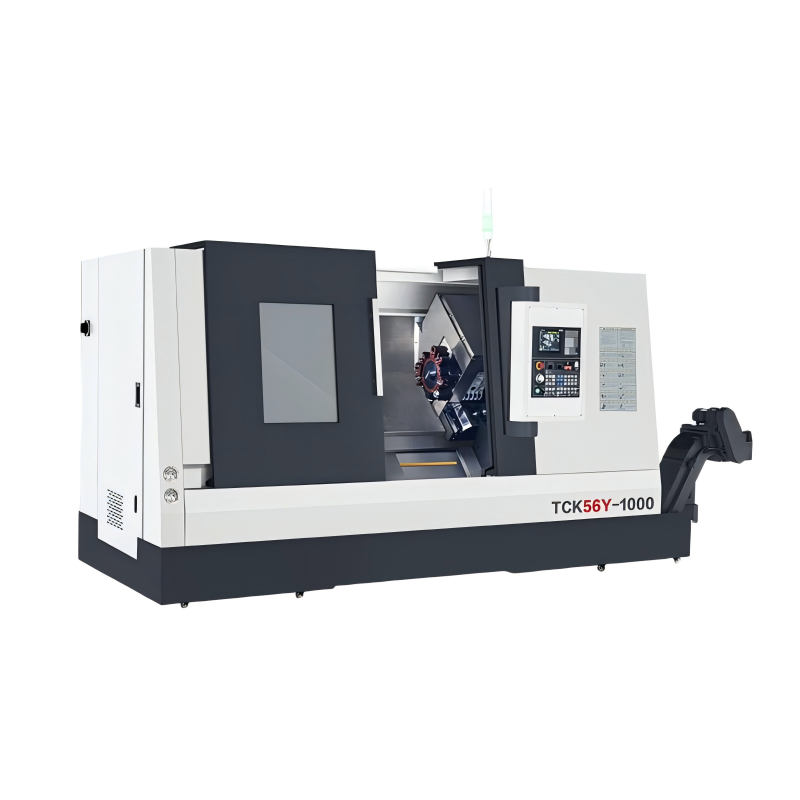
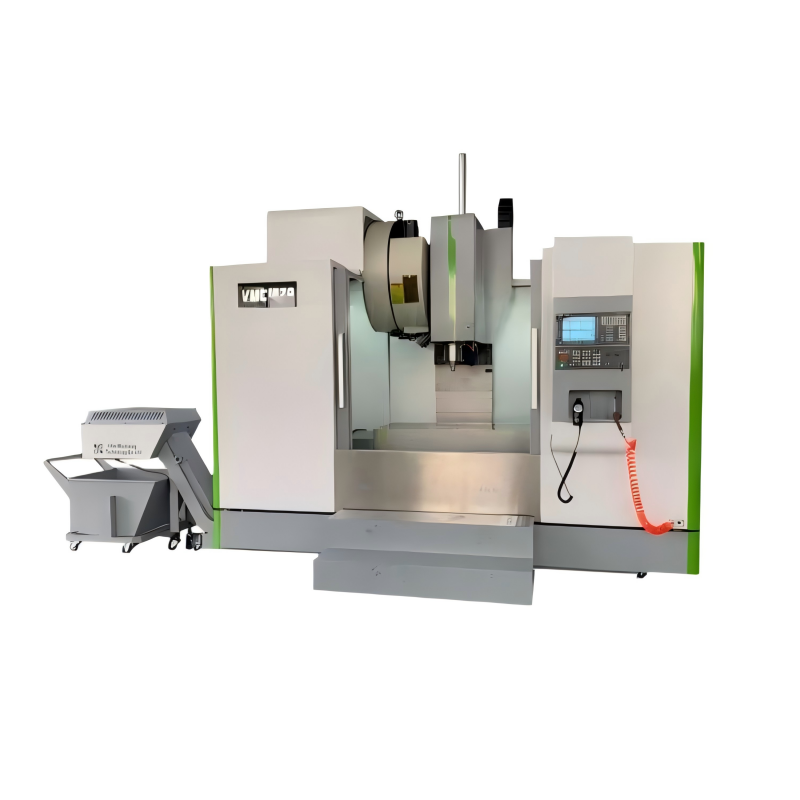
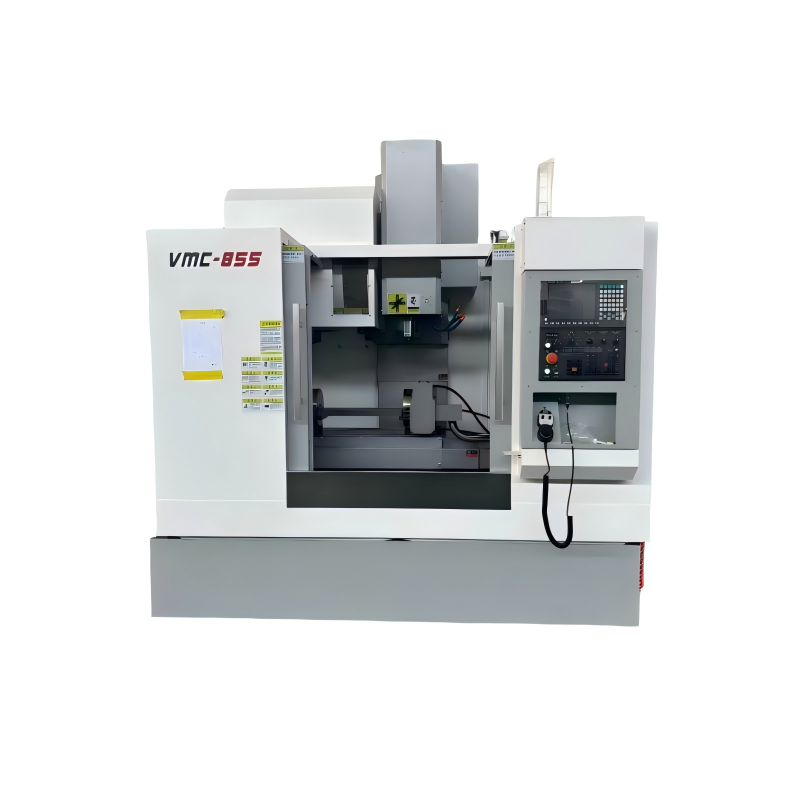
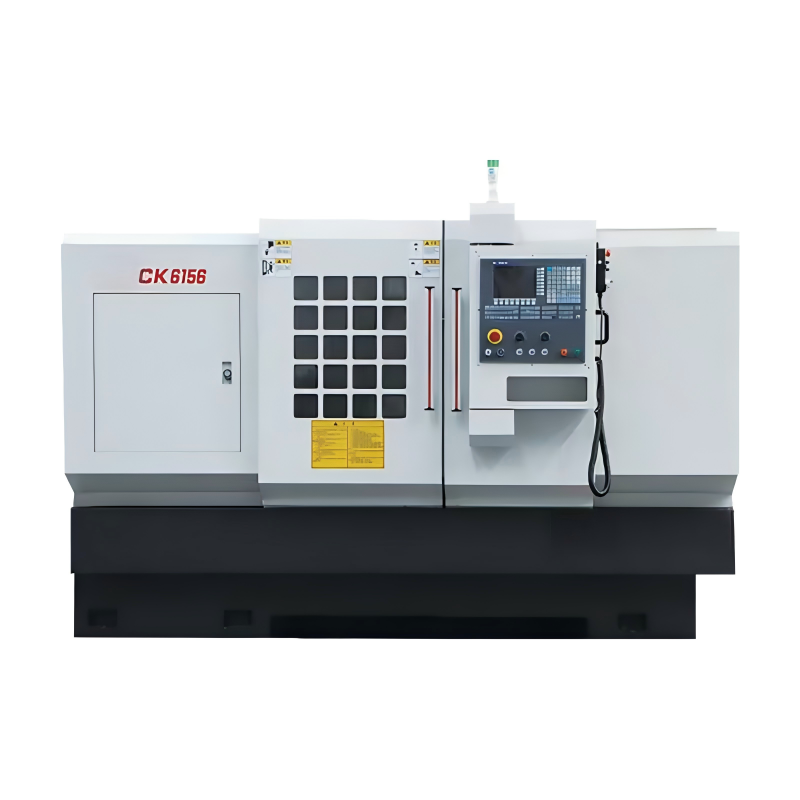
In the realm of advanced manufacturing, the multi-axis CNC workcell stands out as a pinnacle of precision and versatility. This report delves into the capabilities of such a system, exploring its potential to transform production processes through enhanced efficiency, accuracy, and flexibility. We will examine how these workcells are designed, their operational principles, and the benefits they offer over traditional machining methods. Additionally, we will discuss the importance of software integration, the role of automation, and the future trends in multi-axis CNC technology. By understanding these aspects, manufacturers can better leverage the full potential of multi-axis CNC workcells to meet the demands of modern industry.
The design of a multi-axis CNC workcell begins with the configuration of the machine itself. These systems typically feature multiple axes of motion, allowing for complex and precise movements. The most common configurations include 3-axis, 4-axis, and 5-axis machines, each offering varying degrees of movement and capability. A 3-axis machine provides movement along the X, Y, and Z axes, while a 4-axis machine adds rotational movement around the X-axis (A-axis). A 5-axis machine further enhances this by adding another rotational axis, usually around the Y-axis (B-axis), enabling the workpiece to be machined from virtually any angle.
Effective tooling and fixturing are crucial for maximizing the performance of a multi-axis CNC workcell. High-precision tools, such as end mills, drills, and taps, are essential for achieving the desired surface finish and dimensional accuracy. Additionally, advanced fixturing solutions, such as vacuum tables and hydraulic clamps, ensure that the workpiece remains securely in place during the machining process. Proper tooling and fixturing not only enhance the quality of the finished product but also improve the overall efficiency of the workcell by reducing setup times and minimizing errors.
The heart of a multi-axis CNC workcell is the Computer Numerical Control (CNC) software. This software translates the digital design of a part into a series of instructions that the machine follows to produce the final product. Modern CNC software is highly sophisticated, capable of handling complex geometries and providing real-time feedback on the machining process. Features such as adaptive control, which adjusts the cutting parameters based on the material being machined, and simulation capabilities, which allow operators to visualize the entire machining process before it begins, are becoming increasingly common. These features not only improve the accuracy and quality of the machined parts but also reduce the risk of errors and downtime.
Automation plays a vital role in the operation of a multi-axis CNC workcell. Automated systems, such as robotic arms and pallet changers, can handle the loading and unloading of workpieces, as well as the changing of tools, without human intervention. This not only increases the productivity of the workcell but also reduces the need for manual labor, leading to cost savings and improved safety. Furthermore, the integration of the CNC workcell with other manufacturing systems, such as CAD/CAM software and ERP systems, allows for seamless data exchange and streamlined production processes. This integration ensures that the workcell operates efficiently and in harmony with the broader manufacturing environment.
One of the primary advantages of multi-axis CNC workcells is their ability to achieve high levels of precision and accuracy. The additional axes of motion allow for more complex and intricate machining operations, resulting in parts with tighter tolerances and superior surface finishes. This is particularly important in industries such as aerospace, medical devices, and automotive, where the quality and consistency of the parts are critical. The use of advanced sensors and feedback systems further enhances the precision of the workcell by continuously monitoring and adjusting the machining process in real time.
Multi-axis CNC workcells offer a high degree of flexibility and versatility, making them suitable for a wide range of applications. These systems can handle a variety of materials, including metals, plastics, and composites, and can perform multiple operations, such as milling, drilling, and turning, in a single setup. This reduces the need for multiple machines and setups, leading to significant time and cost savings. Additionally, the ability to reprogram the CNC software quickly and easily allows for rapid changes in production, enabling manufacturers to respond to market demands and new product designs more efficiently.
While multi-axis CNC workcells offer numerous benefits, they also come with significant initial investment costs. The purchase and installation of these systems, along with the necessary software and tooling, can be expensive. Additionally, the training required for operators and maintenance personnel to effectively use and maintain the workcell can add to the overall cost. However, the long-term benefits, such as increased productivity, reduced scrap rates, and improved quality, often justify the initial investment. Manufacturers should carefully consider their budget and long-term goals when deciding to implement a multi-axis CNC workcell.
Proper maintenance and upkeep are essential for ensuring the longevity and optimal performance of a multi-axis CNC workcell. Regular inspections, lubrication, and calibration of the machine and its components are necessary to prevent wear and tear and maintain the precision of the system. Additionally, the replacement of worn or damaged parts, such as cutting tools and bearings, should be done promptly to avoid downtime and ensure consistent quality. Implementing a preventive maintenance schedule and investing in reliable service and support can help minimize disruptions and extend the life of the workcell.
As the demand for more advanced and specialized materials continues to grow, multi-axis CNC workcells are evolving to meet these needs. New materials, such as high-strength alloys, composites, and advanced ceramics, require specialized machining techniques and tools. Future workcells will likely incorporate more advanced cutting technologies, such as laser and ultrasonic machining, to handle these materials more effectively. Additionally, the integration of additive manufacturing (AM) capabilities, such as 3D printing, with subtractive manufacturing (SM) processes, will enable the creation of more complex and functional parts in a single operation.
The integration of artificial intelligence (AI) and machine learning (ML) is poised to revolutionize the way multi-axis CNC workcells operate. AI and ML algorithms can analyze large amounts of data generated during the machining process, identifying patterns and optimizing the cutting parameters in real time. This not only improves the efficiency and quality of the machined parts but also enables predictive maintenance, reducing the likelihood of unexpected downtime. Furthermore, AI-driven design optimization can help manufacturers create more efficient and cost-effective part designs, further enhancing the capabilities of multi-axis CNC workcells.
 05/06/2026
In the realm of modern manufacturing, precision and efficiency are paramount. The integration of multi-axis CNC workcells has revolutionized how complex parts are machined, offering unparalleled accuracy and versatility. This report delves into the transf
Read More05/06/2026In this comprehensive guide, we will delve into the intricate world of multi-axis CNC workcells, providing an in-depth look at their design, functionality, and applications. The multi-axis CNC workcell is a sophisticated manufacturing system that enables
Read More05/06/2026A Comprehensive Guide to Choosing the Right Multi-Axis CNC Workcell offers an in-depth analysis of the key factors that influence the selection process for multi-axis CNC workcells. This guide is designed to help manufacturers and engineers make informed
Read More05/06/2026In the rapidly evolving landscape of automotive manufacturing, multi-axis CNC workcells have emerged as a transformative force, significantly enhancing production efficiency, precision, and flexibility. These advanced systems are not only revolutionizing
Read More04/06/2026With the rapid advancements in manufacturing technology, multi-axis CNC workcells have emerged as a game-changer, transforming industries by enhancing productivity, precision, and flexibility. These advanced systems are capable of performing complex opera
Read More04/06/2026In the realm of modern manufacturing, multi-axis CNC workcells have emerged as a transformative force, reshaping how products are designed and produced. These advanced systems, which combine multiple axes of motion with computer numerical control (CNC), o
Read More04/06/2026In the realm of advanced manufacturing, the multi-axis CNC workcell stands out as a beacon of precision and flexibility. This technology integrates multiple axes of movement, allowing for complex geometries to be machined with unparalleled accuracy. The m
Read More04/06/2026In the rapidly evolving landscape of manufacturing, the integration of advanced technologies such as multi-axis CNC workcells is reshaping the industry. These sophisticated systems are not only enhancing productivity and precision but also enabling manufa
Read More04/06/2026In today's competitive manufacturing landscape, maximizing efficiency is crucial for staying ahead. A multi-axis CNC workcell offers a powerful solution to enhance productivity and precision. This report explores the benefits of integrating a multi-axis C
Read More04/06/2026In the rapidly evolving landscape of manufacturing, multi-axis CNC (Computer Numerical Control) workcells are emerging as a transformative force. These advanced systems offer unparalleled precision, flexibility, and efficiency, making them indispensable i
Read More04/06/2026In today's manufacturing landscape, the selection of an appropriate multi-axis CNC workcell is critical for enhancing productivity, precision, and flexibility. This technical report aims to guide manufacturers through the process of choosing the right mul
Read More04/06/2026In today's fast-paced manufacturing environment, the integration of a multi-axis CNC workcell can significantly enhance productivity and efficiency. This report delves into how adopting such advanced machinery not only optimizes production processes but a
Read More04/06/2026In the rapidly evolving landscape of precision machining, the multi-axis CNC workcell stands out as a transformative technology. This advanced manufacturing solution not only enhances the efficiency and accuracy of production processes but also opens up n
Read More04/06/2026In the rapidly evolving landscape of modern manufacturing, the integration of multi-axis CNC workcells has become a game-changer. These advanced systems offer unparalleled precision, flexibility, and efficiency, enabling manufacturers to produce complex p
Read MoreOur professional sales team is always ready to assist you.