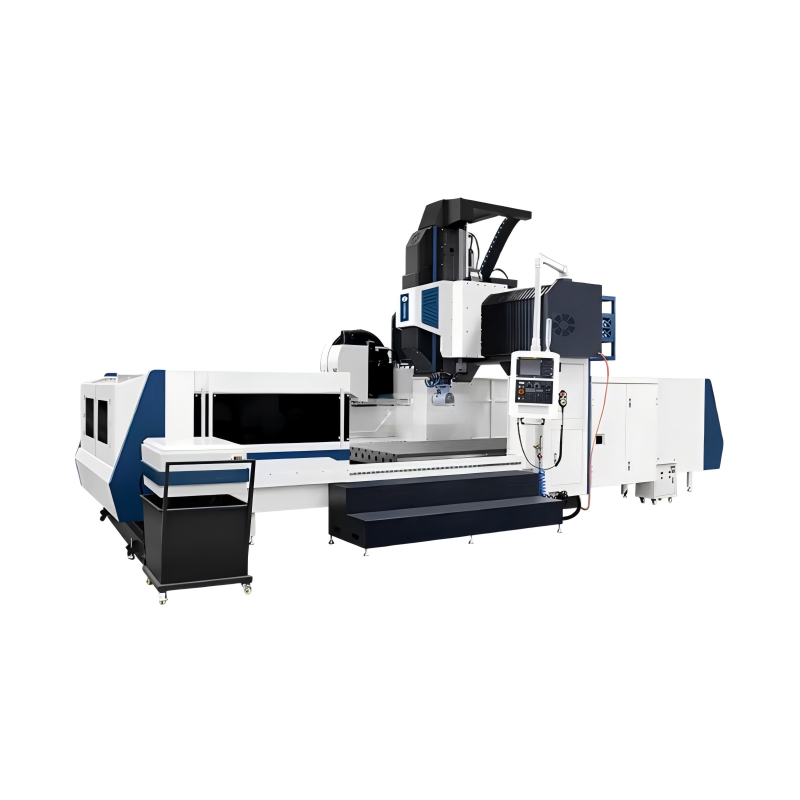
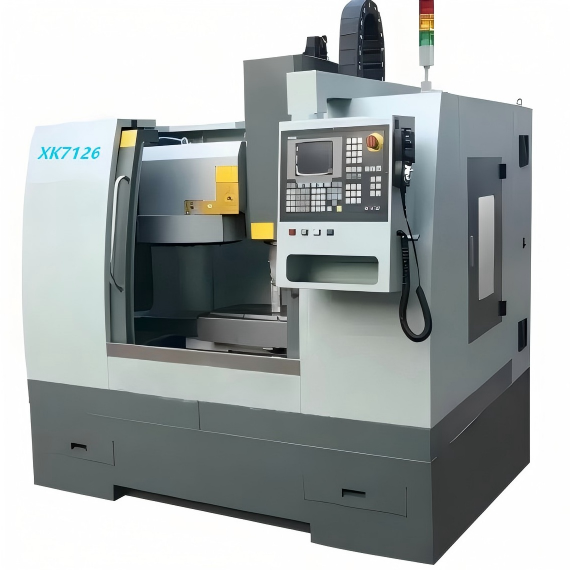
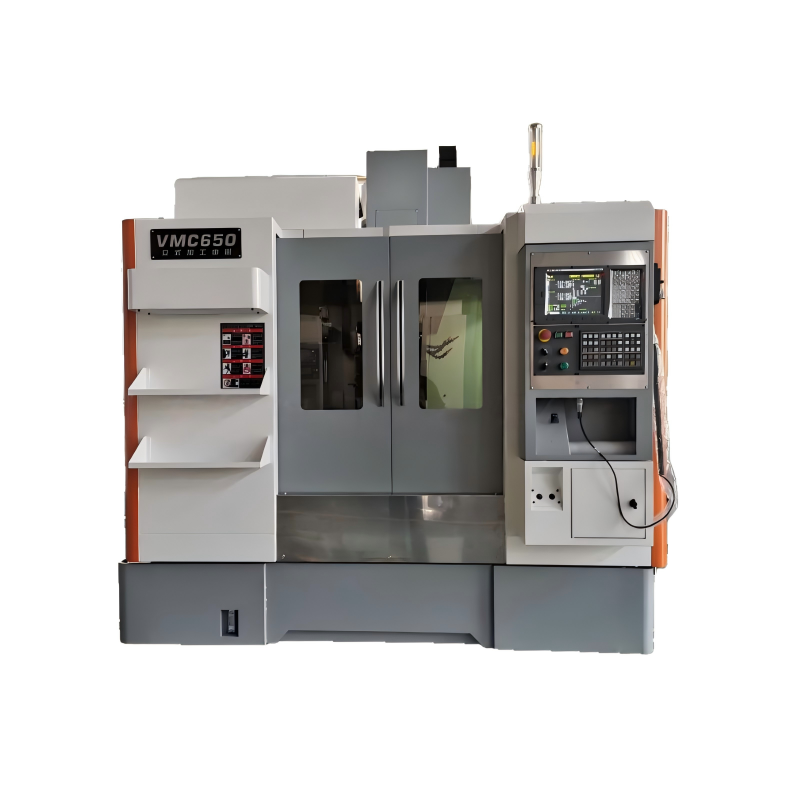
High-speed Vertical Machining Centers (VMC) represent a significant leap forward in the world of manufacturing, offering unprecedented levels of productivity and precision. This technology has been pivotal in transforming traditional machining processes, making them more efficient and cost-effective. As industries continue to seek ways to optimize their operations, the adoption of high-speed VMCs is becoming increasingly widespread. In this report, we will explore how these advanced machines are unlocking new levels of efficiency, discussing their key features, benefits, and potential applications.
One of the most notable features of high-speed VMCs is their advanced spindle technology. These spindles are designed to operate at extremely high speeds, often reaching up to 40,000 RPM or more. The increased rotational speed allows for faster cutting rates, which directly translates into higher productivity. Additionally, the use of ceramic ball bearings and other high-performance materials in the spindle design ensures that these machines can maintain their speed and accuracy over extended periods, reducing downtime and maintenance costs.
The ability to cut at high speeds also means that the tool path can be optimized for efficiency, leading to shorter cycle times. This is particularly beneficial in industries such as aerospace, automotive, and medical devices, where complex and precise parts need to be manufactured quickly and consistently. By leveraging high-speed VMC technology, manufacturers can achieve both speed and quality, ensuring that they remain competitive in a rapidly evolving market.
Another critical advantage of high-speed VMCs is their ability to produce superior surface finishes and dimensional accuracy. The high spindle speeds and rapid feed rates allow for finer control over the cutting process, resulting in smoother surfaces and tighter tolerances. This is especially important in applications where the final product's aesthetic and functional performance are paramount, such as in the production of molds, dies, and precision components.
Moreover, the use of advanced control systems and software in high-speed VMCs enables real-time monitoring and adjustment of the machining parameters. This ensures that any deviations from the desired specifications are immediately corrected, maintaining the highest level of precision throughout the entire manufacturing process. The result is a finished product that meets or exceeds the required standards, reducing the need for secondary operations and post-processing, and ultimately saving time and resources.
High-speed VMCs are not only faster but also more durable, thanks to their robust construction and advanced cooling systems. One of the major challenges in high-speed machining is managing the heat generated during the cutting process, as excessive heat can lead to tool wear and reduced machine life. High-speed VMCs address this issue by incorporating sophisticated cooling systems, such as through-spindle coolant delivery and high-pressure air blowers, which help to dissipate heat effectively and keep the cutting tools at optimal temperatures.
In addition, the use of high-quality, wear-resistant materials in the construction of the machine and its components further enhances its longevity. This means that manufacturers can rely on their high-speed VMCs for longer periods without the need for frequent replacements or extensive maintenance. The reduced tool wear and extended machine life contribute to lower operational costs and a higher return on investment, making these machines a valuable asset for any manufacturing operation.
High-speed VMCs are highly versatile and can be adapted to a wide range of manufacturing environments and applications. They are capable of handling a variety of materials, including metals, plastics, and composites, and can be configured with different tooling options to meet specific requirements. This flexibility makes them ideal for both small-batch and high-volume production runs, as well as for prototyping and custom manufacturing.
Furthermore, the integration of automation and robotics with high-speed VMCs allows for even greater flexibility and efficiency. Automated loading and unloading systems, along with multi-pallet changers, enable continuous operation and reduce the need for manual intervention. This not only increases productivity but also improves safety by minimizing the risk of human error. The ability to integrate with other manufacturing systems, such as CAD/CAM software and quality control systems, further enhances the overall efficiency and effectiveness of the manufacturing process.
In conclusion, high-speed VMC technology is revolutionizing the manufacturing industry by providing enhanced productivity, improved surface finish and dimensional accuracy, reduced tool wear and extended machine life, and flexibility and adaptability in diverse manufacturing environments. These advantages make high-speed VMCs an essential tool for manufacturers looking to stay ahead in a competitive market. As the technology continues to evolve, we can expect to see even more innovative solutions that further enhance the capabilities of these machines, driving the industry towards new heights of efficiency and performance.
 23/06/2026
High Speed VMC (Vertical Machining Center) technologies are revolutionizing the landscape of modern manufacturing, offering unparalleled precision, efficiency, and productivity. This report delves into the transformative impact of High Speed VMC innovatio
Read More23/06/2026In the ever-evolving landscape of manufacturing, the introduction and continuous improvement of High Speed VMC (Vertical Machining Centers) have been pivotal in transforming the efficiency and precision of machining processes. This report delves into the
Read More23/06/2026High Speed VMC, or High Speed Vertical Machining Center, represents a significant leap in the evolution of manufacturing technology. This advancement not only improves upon the traditional vertical machining center but also sets new standards for precisio
Read MoreOur professional sales team is always ready to assist you.