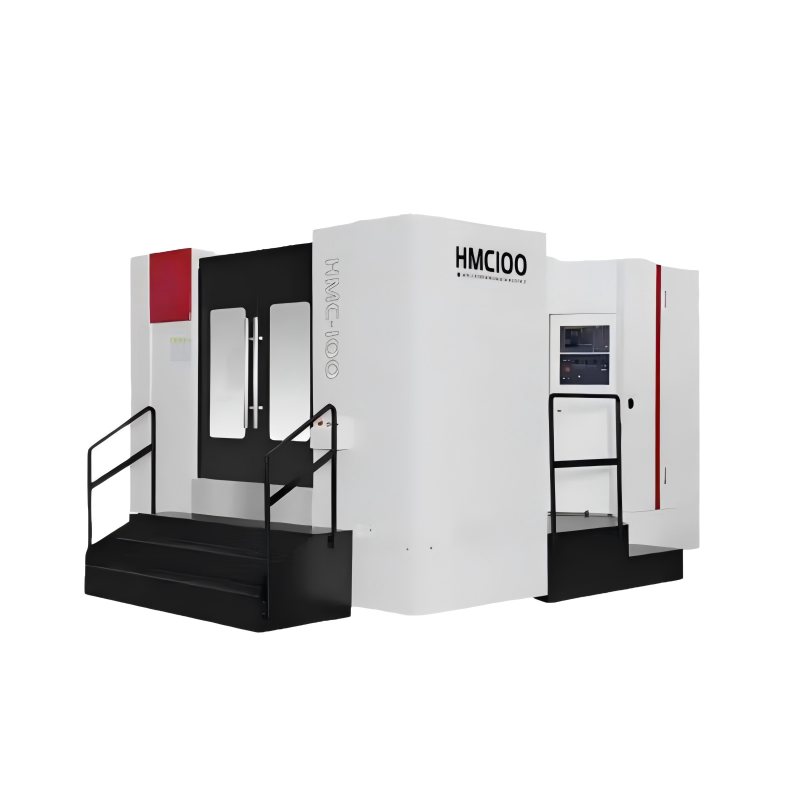
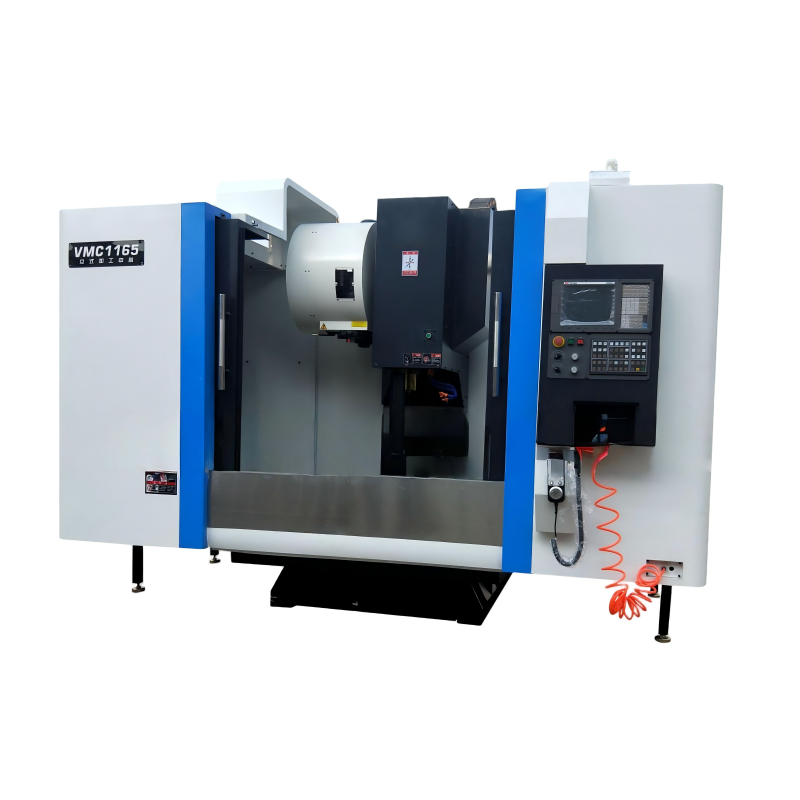
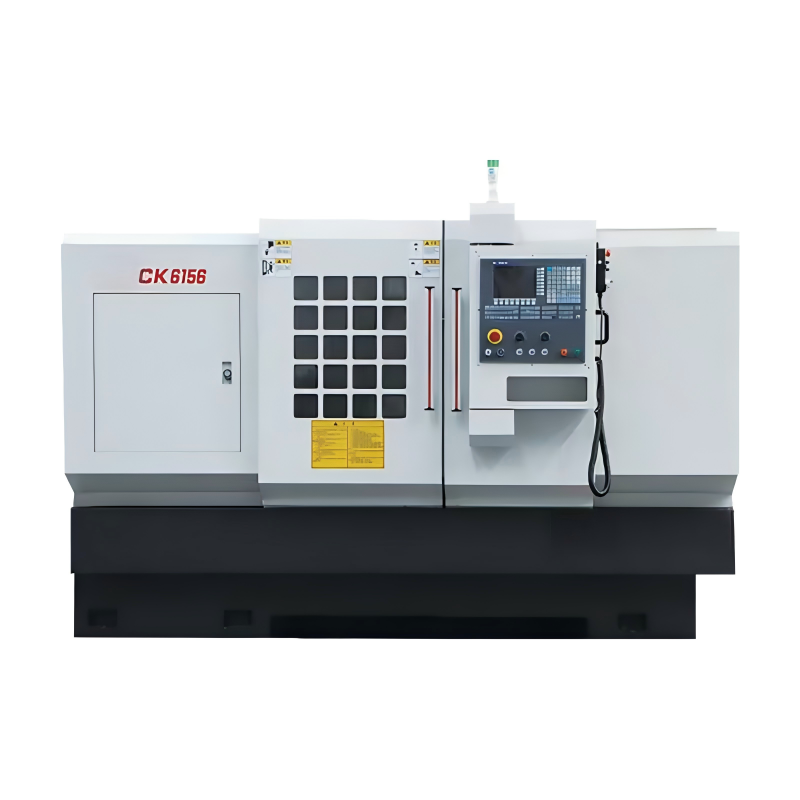
A 3-axis vertical CNC machining center is an essential tool in modern manufacturing, designed to provide precision and efficiency. This section will delve into the key components that make up these machines, including the spindle, worktable, and control system. The spindle, which is vertically oriented, is responsible for holding and rotating the cutting tools. It must be robust enough to handle various materials while maintaining high accuracy. The worktable, on the other hand, supports the workpiece and can move along the X, Y, and Z axes. This movement is controlled by the CNC (Computer Numerical Control) system, which interprets the design data and translates it into precise movements of the machine. Understanding these components is crucial for anyone looking to optimize their use of a 3-axis vertical CNC machining center.
Software plays a pivotal role in the operation and performance of a 3-axis vertical CNC machining center. Modern CNC software not only controls the machine but also offers advanced features such as simulation, toolpath optimization, and real-time monitoring. Simulation allows operators to visualize the entire machining process before it begins, helping to identify potential issues and reduce waste. Toolpath optimization ensures that the machine operates at maximum efficiency, reducing cycle times and improving part quality. Real-time monitoring systems provide instant feedback on the machine's performance, allowing for quick adjustments and minimizing downtime. By leveraging these software capabilities, manufacturers can significantly enhance the productivity and reliability of their 3-axis vertical CNC machining centers.
To ensure the longevity and optimal performance of a 3-axis vertical CNC machining center, regular maintenance and effective troubleshooting are essential. Regular maintenance includes tasks such as lubricating moving parts, checking for wear and tear, and ensuring that all components are properly aligned. Additionally, it is important to keep the machine clean and free from debris, as this can affect its performance. When it comes to troubleshooting, common issues include tool breakage, surface finish problems, and dimensional inaccuracies. To address these, operators should first check the tooling and ensure that it is properly set up. They should also verify the machine's settings and calibration, as incorrect parameters can lead to poor results. By following a systematic approach to maintenance and troubleshooting, operators can keep their 3-axis vertical CNC machining center running smoothly and efficiently.
There are several advantages to using a 3-axis vertical CNC machining center in manufacturing. One of the primary benefits is the ability to achieve high precision and repeatability. These machines are capable of producing parts with tight tolerances, making them ideal for applications where accuracy is critical. Another advantage is increased productivity. 3-axis vertical CNC machining centers can operate continuously, reducing the need for manual intervention and allowing for faster production cycles. Additionally, they offer versatility, as they can handle a wide range of materials and complex geometries. This makes them suitable for a variety of industries, from aerospace to automotive. Finally, the use of CNC technology allows for easy integration with CAD/CAM systems, enabling seamless design and manufacturing processes. Overall, the 3-axis vertical CNC machining center is a valuable asset for any manufacturing facility looking to improve efficiency and quality.
The field of 3-axis vertical CNC machining center technology is continually evolving, driven by advancements in automation, artificial intelligence, and Industry 4.0. One of the emerging trends is the integration of AI and machine learning algorithms to optimize machining processes. These technologies can analyze data in real-time, predict maintenance needs, and adjust parameters to improve efficiency. Another trend is the development of more user-friendly interfaces and software, making it easier for operators to program and control the machines. Additionally, there is a growing focus on sustainability, with manufacturers developing more energy-efficient and eco-friendly designs. As these trends continue to develop, the 3-axis vertical CNC machining center will become even more versatile and efficient, further enhancing its value in the manufacturing industry.
 26/06/2026
A 3-axis vertical CNC machining center is an essential tool in modern manufacturing, offering precision, versatility, and efficiency. This report delves into the advantages of using a 3-axis vertical CNC machine, focusing on how it can maximize productivi
Read More25/06/2026In the realm of precision manufacturing, a 3-axis vertical CNC machining center stands out as a versatile and efficient tool. This report delves into the advantages of using a 3-axis vertical CNC machining center, exploring its capabilities, benefits, and
Read MoreOur professional sales team is always ready to assist you.