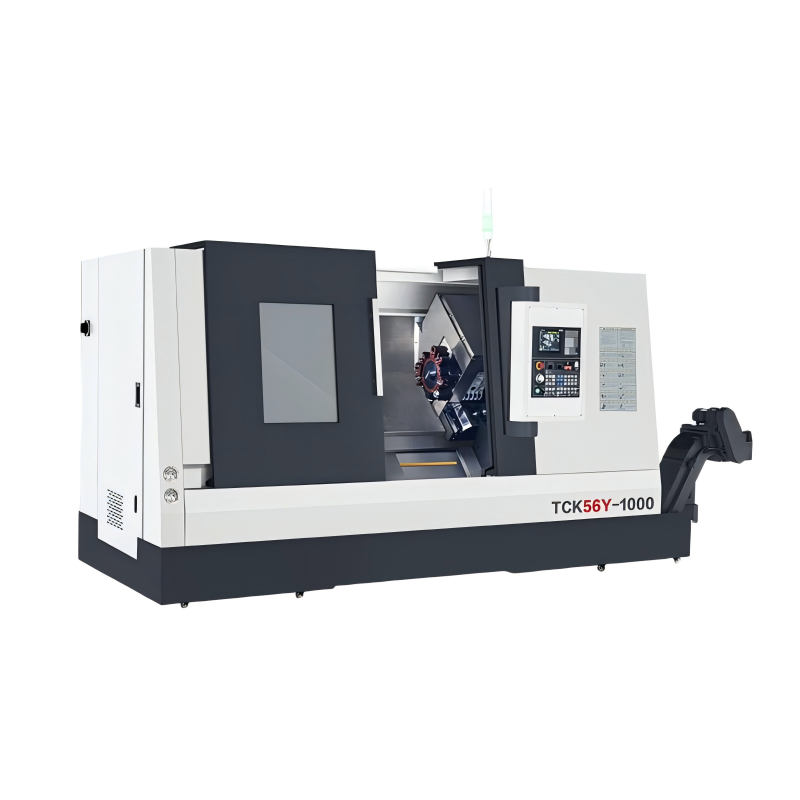
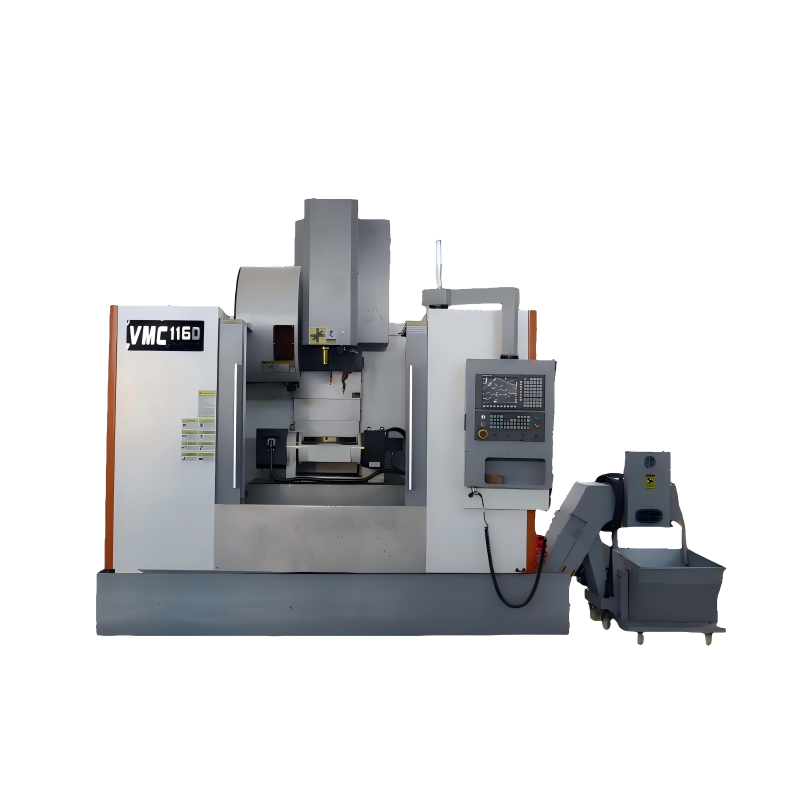
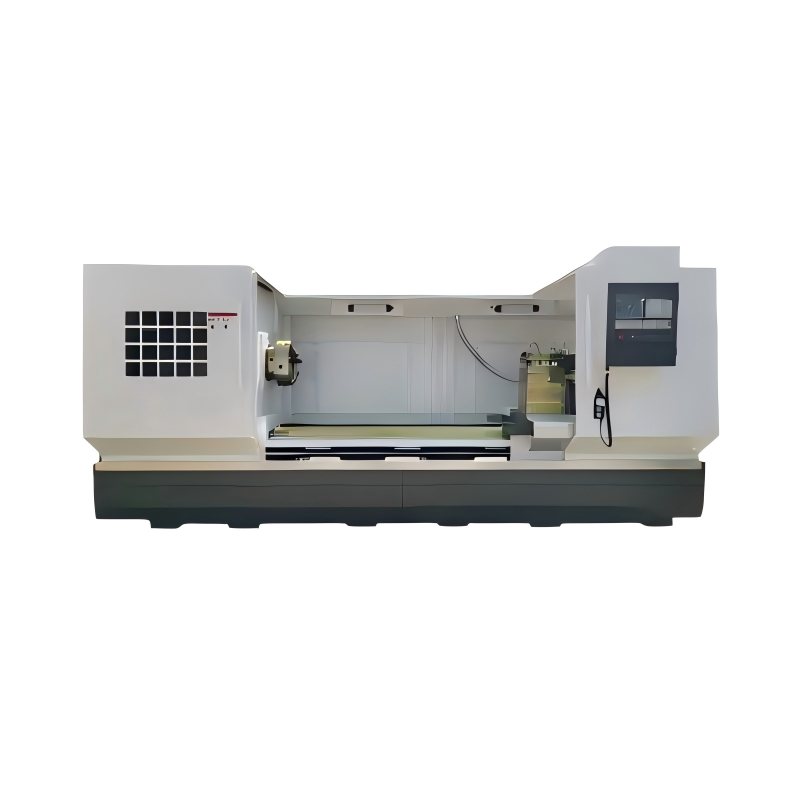
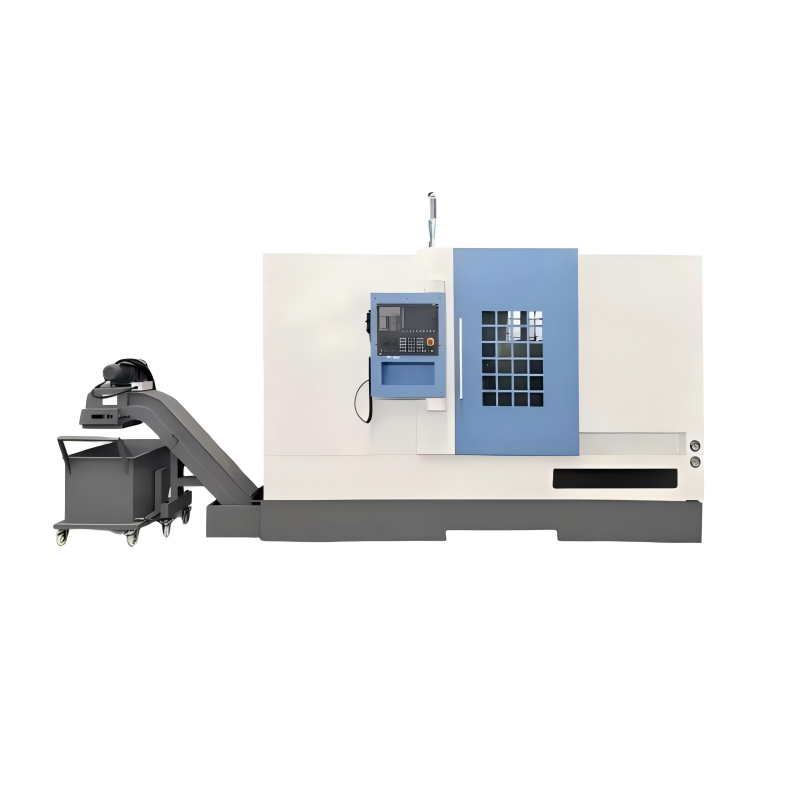
In the realm of advanced manufacturing, the 5-axis linkage vertical Machining Center stands out as a pivotal technology for producing intricate and high-precision components. This technical report aims to provide an in-depth understanding of the capabilities and applications of 5-axis linkage systems, particularly in the context of complex part production. By exploring the unique features and advantages of these machines, we can better appreciate their role in modern manufacturing processes.
The 5-axis linkage Vertical Machining Center is designed to achieve unparalleled precision and accuracy in the fabrication of complex parts. Unlike traditional 3-axis machines, which are limited to movement along the X, Y, and Z axes, a 5-axis system adds two rotational axes (A and B or C). This additional range of motion allows the cutting tool to approach the workpiece from multiple angles, ensuring that even the most intricate geometries can be machined with high fidelity. The ability to maintain consistent tool orientation relative to the workpiece surface also minimizes errors and improves the overall quality of the finished product.
One of the key benefits of this enhanced precision is the reduction in setup times. With a 5-axis machine, it is possible to complete multi-sided operations in a single setup, eliminating the need for multiple setups and repositioning of the workpiece. This not only saves time but also reduces the potential for cumulative errors that can occur when the workpiece is moved between different setups. Furthermore, the 5-axis linkage vertical machining center's ability to maintain precise tool paths ensures that even the most demanding tolerances can be met, making it an ideal solution for industries such as aerospace, automotive, and medical devices, where precision is critical.
Another significant advantage of the 5-axis linkage vertical machining center is its ability to significantly increase productivity and efficiency in the manufacturing process. The versatility of 5-axis machines allows for the consolidation of multiple operations into a single setup, reducing the overall production time. For example, a part that might require several separate setups on a 3-axis machine can often be completed in one setup on a 5-axis machine, leading to a substantial reduction in cycle time.
Additionally, the 5-axis linkage vertical machining center's ability to perform continuous and smooth toolpaths, known as 5-axis simultaneous machining, enables the efficient removal of material in a single pass. This not only speeds up the machining process but also reduces the risk of tool wear and breakage, further enhancing the overall efficiency of the operation. The use of advanced CAM software, specifically designed for 5-axis machining, also plays a crucial role in optimizing toolpaths and maximizing the machine's capabilities. These software tools allow for the simulation and optimization of complex machining strategies, ensuring that the 5-axis machine operates at its full potential.
The 5-axis linkage vertical machining center offers expanded design flexibility, enabling the creation of highly complex and innovative part geometries. The additional rotational axes allow the cutting tool to access areas of the workpiece that would be difficult or impossible to reach with a 3-axis machine. This capability opens up new possibilities for designers, who can now create parts with more intricate and organic shapes without compromising on manufacturability.
For instance, in the aerospace industry, the 5-axis linkage vertical machining center is used to produce turbine blades, impellers, and other components with complex curved surfaces. These parts often require tight tolerances and smooth finishes, which are challenging to achieve with conventional 3-axis machining. The 5-axis machine's ability to precisely control the tool path and maintain constant contact with the workpiece surface ensures that these requirements are met. Similarly, in the medical device industry, 5-axis machining is used to produce implants and prosthetics with highly customized and patient-specific designs, improving the fit and function of these devices.
Moreover, the 5-axis linkage vertical machining center supports the use of various cutting tools and materials, further expanding its design flexibility. Whether working with metals, composites, or exotic materials, the 5-axis machine can adapt to the specific requirements of each application, ensuring that the final product meets the desired specifications. This versatility makes the 5-axis linkage vertical machining center an indispensable tool for manufacturers who need to push the boundaries of design and engineering.
The 5-axis linkage vertical machining center is a powerful and versatile tool that offers numerous advantages for the production of complex parts. Its enhanced precision and accuracy, increased productivity and efficiency, and expanded design flexibility make it an essential asset in modern manufacturing. As industries continue to demand higher levels of precision and complexity, the 5-axis linkage vertical machining center will play an increasingly important role in meeting these challenges. By leveraging the capabilities of 5-axis machining, manufacturers can achieve greater innovation, efficiency, and quality in their products, driving the advancement of technology and industry forward.
 26/06/2026
The evolution of manufacturing technologies has been nothing short of revolutionary, with each advancement pushing the boundaries of what is possible. Among these innovations, the 5-axis linkage vertical machining center stands out as a pivotal developmen
Read More25/06/2026In the realm of precision machining, the advent of 5-axis linkage vertical machining centers has revolutionized the way complex parts are manufactured. These advanced machines offer unparalleled versatility and accuracy, making them indispensable in indus
Read MoreOur professional sales team is always ready to assist you.