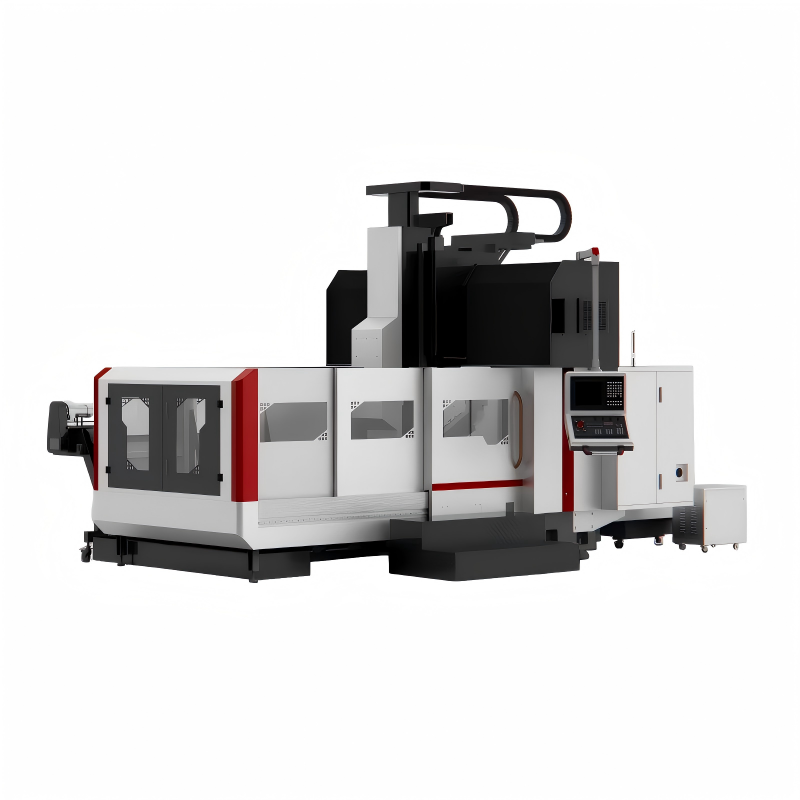
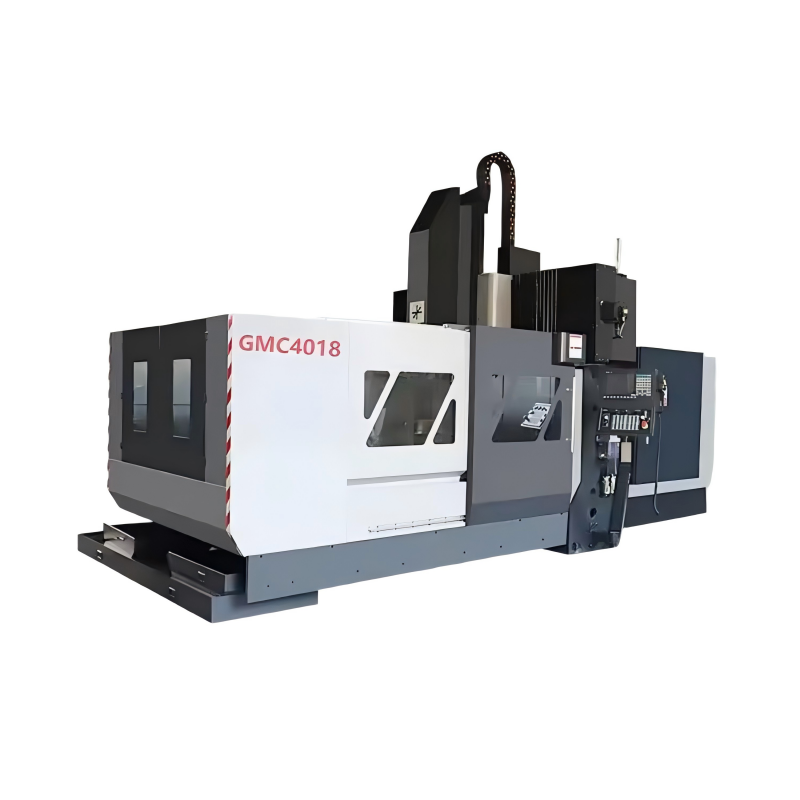
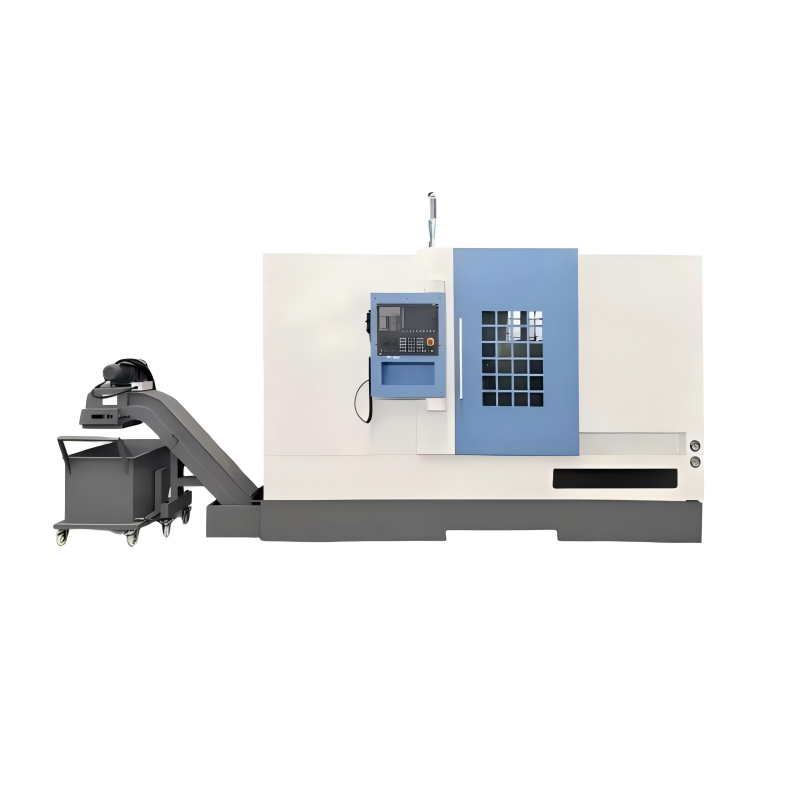
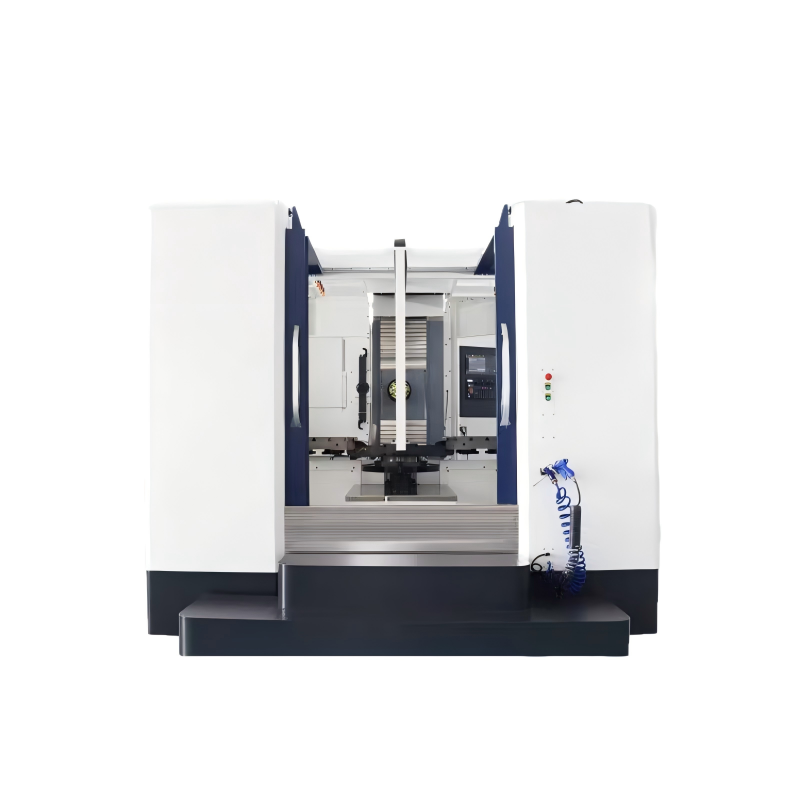
In the realm of precision machining, the advent of 5-axis linkage vertical Machining Centers has revolutionized the way complex parts are manufactured. These advanced machines offer unparalleled versatility and accuracy, making them indispensable in industries that demand high precision and efficiency. This report explores the advantages of 5-axis linkage in precision machining, highlighting key benefits and applications.
The 5-axis linkage Vertical Machining Center is designed to provide superior precision and accuracy compared to traditional 3-axis machines. By incorporating two additional rotational axes, these machines can manipulate the workpiece and tool in a more comprehensive manner. The ability to tilt and rotate the part or the cutting tool allows for the machining of complex geometries with minimal setup changes. This reduces the potential for errors that can occur during multiple setups, leading to higher overall accuracy.
Furthermore, the 5-axis linkage system enables the machine to maintain optimal cutting angles and tool paths, even on intricate surfaces. This results in better surface finishes and tighter tolerances, which are critical in industries such as aerospace, medical devices, and automotive manufacturing. The enhanced precision also means that parts can be machined to exact specifications, reducing the need for secondary operations and post-processing.
One of the most significant advantages of 5-axis linkage vertical machining centers is their ability to increase productivity and efficiency. Traditional 3-axis machines often require multiple setups to complete a single part, which can be time-consuming and labor-intensive. In contrast, 5-axis machines can perform multiple operations in a single setup, significantly reducing the total machining time.
The 5-axis linkage system allows for continuous cutting, minimizing the need for manual intervention and tool changes. This not only speeds up the machining process but also reduces the likelihood of human error. Additionally, the ability to access the workpiece from multiple angles means that undercuts and other hard-to-reach features can be machined without repositioning the part, further enhancing productivity.
Moreover, 5-axis machines can handle a wider range of materials and part sizes, making them more versatile and capable of handling diverse projects. This flexibility translates into increased efficiency, as the same machine can be used for different types of jobs, reducing the need for specialized equipment and setup times.
The 5-axis linkage vertical machining center offers significant improvements in surface finish and tool life. The ability to control the cutting angle and tool path with greater precision means that the machine can achieve smoother and more consistent surface finishes. This is particularly important in industries where the aesthetic and functional qualities of the part are critical, such as in the production of molds, dies, and high-precision components.
Additionally, the 5-axis linkage system allows for the use of shorter and more rigid cutting tools, which can reduce vibration and deflection. This leads to better tool stability and longer tool life. The ability to maintain optimal cutting conditions also helps to distribute wear more evenly across the tool, further extending its lifespan. As a result, the cost of tooling and maintenance is reduced, contributing to lower overall production costs.
Another benefit of improved tool life is the reduction in downtime associated with tool changes and replacements. This, combined with the ability to perform continuous cutting, results in a more streamlined and efficient production process.
5-axis linkage vertical machining centers are designed to minimize setup times and simplify the programming process. Traditional 3-axis machines often require multiple setups and complex fixturing to achieve the desired geometry. In contrast, 5-axis machines can complete the same task in a single setup, eliminating the need for additional fixtures and reducing the time required for setup and alignment.
Modern 5-axis machining software is highly intuitive and user-friendly, allowing operators to program complex parts with ease. The software can automatically generate tool paths and optimize the machining process, reducing the likelihood of errors and ensuring that the part is machined to the highest standards. This simplification of the programming process also makes it easier for operators to learn and adapt to new technologies, leading to a more skilled and efficient workforce.
Furthermore, the 5-axis linkage system allows for the use of virtual simulation and verification tools, which can help identify and correct potential issues before the actual machining process begins. This pre-machining validation ensures that the final product meets all specifications and quality standards, reducing the risk of costly rework and scrap.
The 5-axis linkage vertical machining center represents a significant advancement in precision machining technology. Its ability to enhance precision and accuracy, increase productivity and efficiency, improve surface finish and tool life, and reduce setup times and simplify programming makes it an invaluable asset in modern manufacturing. As industries continue to demand higher levels of precision and efficiency, the adoption of 5-axis linkage technology will play a crucial role in meeting these demands and driving innovation forward.
Our professional sales team is always ready to assist you.