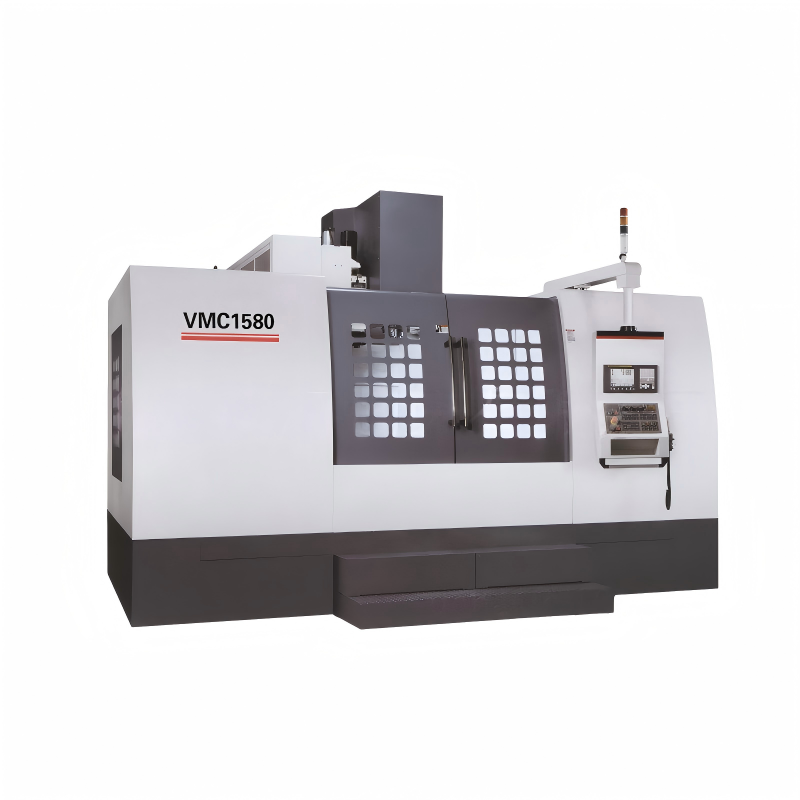
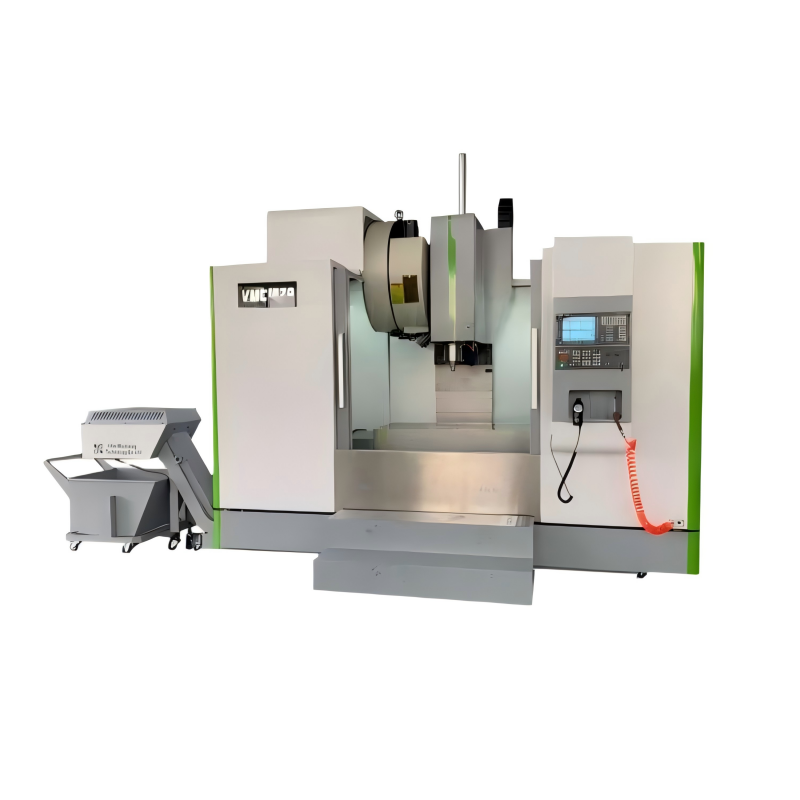
In the realm of modern manufacturing, advancements in technology have consistently pushed the boundaries of efficiency and precision. Among these innovations, the high-speed vertical Machining Center has emerged as a pivotal tool, transforming traditional production methods into streamlined, highly efficient processes. This report delves into how this machinery is revolutionizing the industry, focusing on its impact on productivity, cost-effectiveness, and adaptability.
Enhanced Productivity through High-Speed Operations
The introduction of the high-speed Vertical Machining Center marks a significant leap in the speed at which materials can be processed. With spindle speeds often reaching up to 20,000 RPM or higher, these machines are capable of executing complex operations with unparalleled swiftness. This acceleration not only reduces the time required for each task but also enables manufacturers to handle larger volumes of work within the same timeframe. The rapid tool changes facilitated by advanced automatic tool changers further contribute to minimizing downtime, ensuring that the machine operates at maximum capacity throughout its operational cycle. Such improvements in processing speed directly translate to increased output, allowing businesses to meet growing market demands more effectively.
Cost-Effective Manufacturing Solutions
Beyond just speeding up operations, the High-speed vertical machining center offers substantial economic benefits. One of the primary ways it achieves this is through reduced energy consumption. Modern designs incorporate energy-efficient components and intelligent control systems that optimize power usage, thereby lowering overall operational costs. Additionally, the precision engineering of these centers minimizes material wastage, as they can achieve extremely fine tolerances without the need for secondary finishing processes. This precision, coupled with the ability to perform multiple operations in a single setup, significantly cuts down on labor and material expenses. Furthermore, the longevity and reliability of these machines, thanks to robust construction and maintenance-friendly design, ensure that investments in them yield long-term savings, making them a cost-effective solution for manufacturers looking to enhance their bottom line.
Unmatched Versatility and Adaptability
Another key advantage of the high-speed vertical machining center lies in its versatility. These machines are designed to accommodate a wide range of materials, from metals like aluminum and steel to plastics and composites, making them suitable for diverse applications across various industries. Their capability to switch between different tools and processes with ease allows for the production of a broad spectrum of parts, from simple to highly intricate designs. This flexibility is particularly valuable in today’s rapidly evolving manufacturing landscape, where the ability to quickly adapt to new requirements and technologies is crucial. By providing a platform that can easily integrate with other manufacturing systems, such as automation and robotics, these centers enable manufacturers to build flexible, future-proof production lines. As a result, companies can stay ahead of the curve, responding swiftly to changing market conditions and customer needs, while maintaining high standards of quality and efficiency.
In conclusion, the high-speed vertical machining center represents a transformative advancement in the field of manufacturing. Its contributions to enhancing productivity, reducing costs, and increasing adaptability make it an indispensable asset for any forward-thinking manufacturer. As technology continues to evolve, the role of these machines in shaping the future of industrial production will undoubtedly grow, driving innovation and excellence in the years to come.