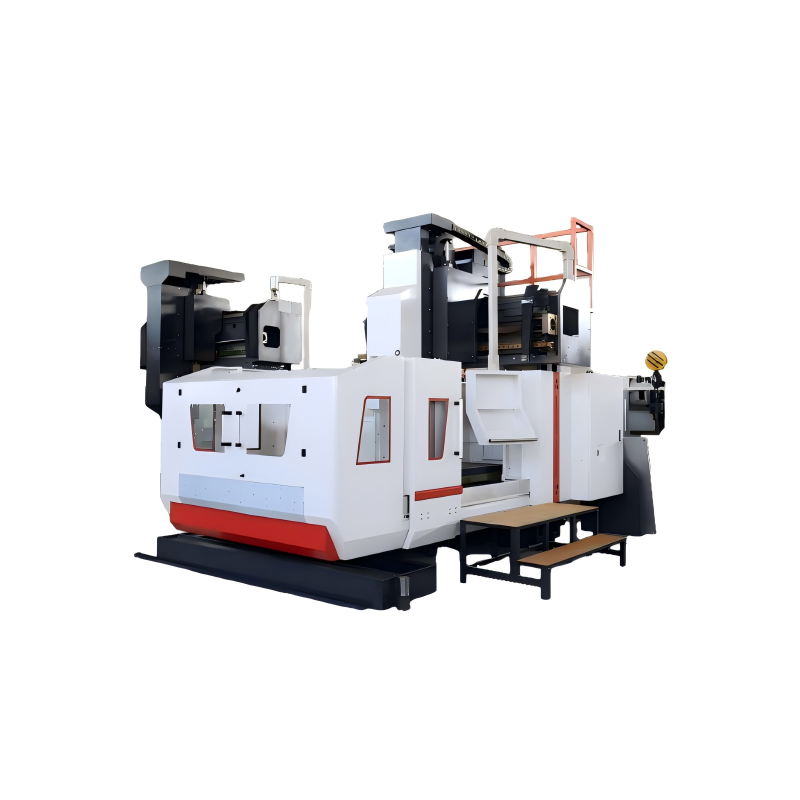
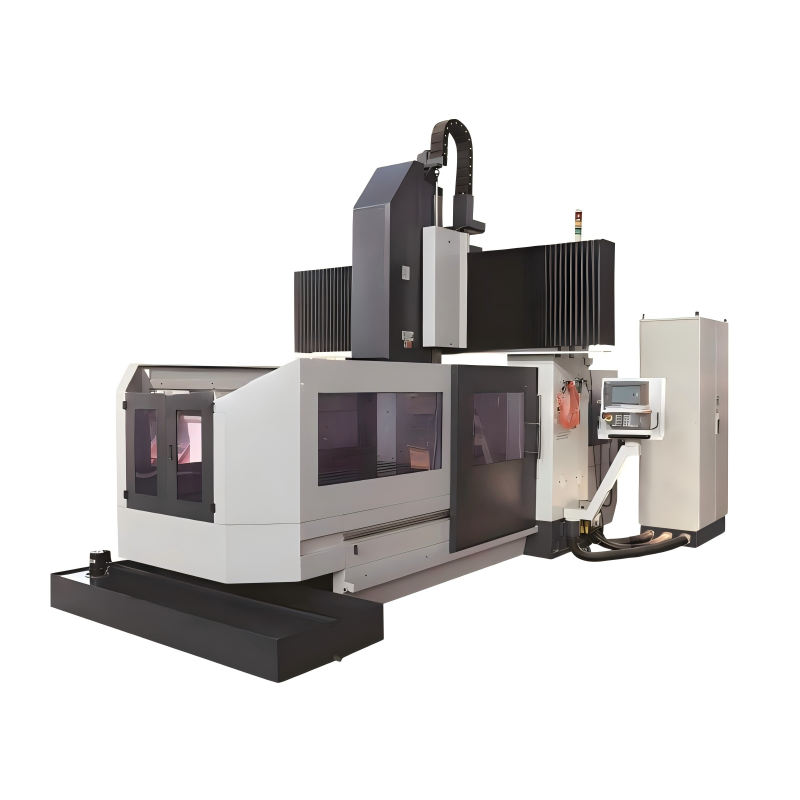
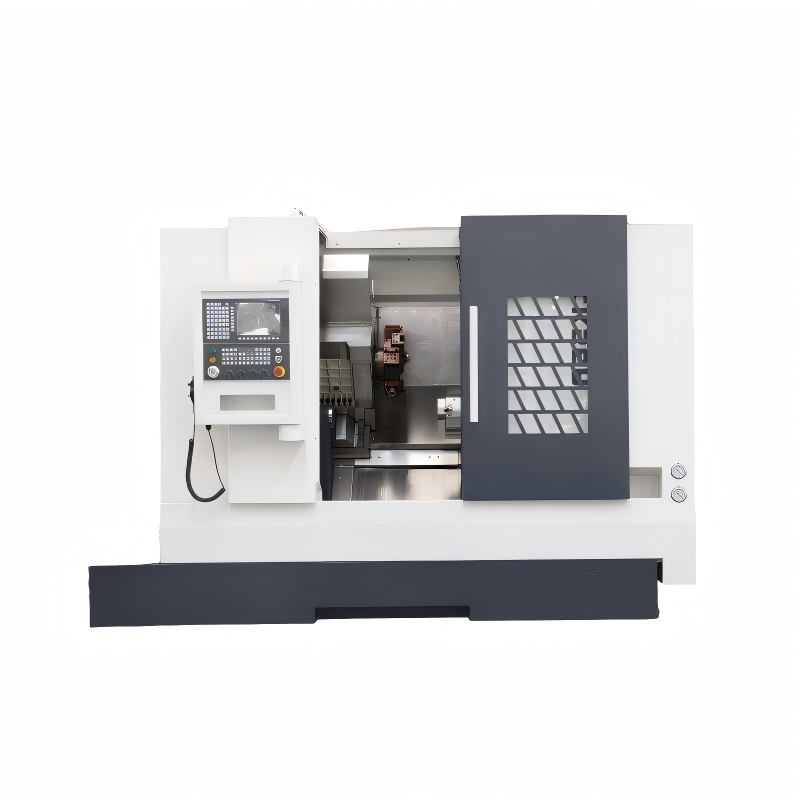
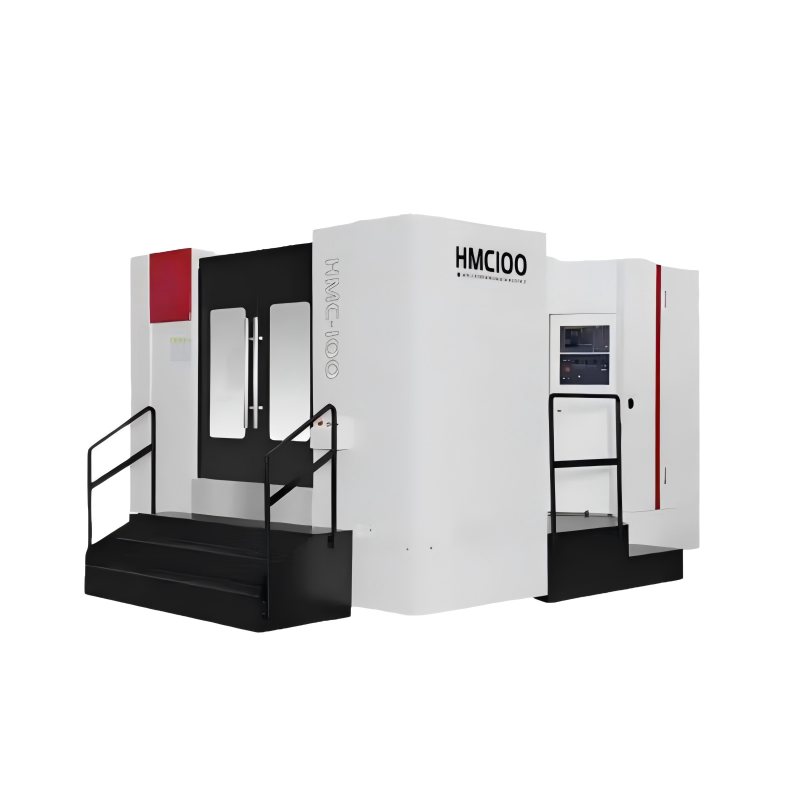
In today's fast-paced manufacturing environment, the efficiency of production processes is more critical than ever. A small vertical Machining Center (VMC) has become an indispensable tool for many manufacturers due to its versatility and compact design. This report explores how a small VMC can maximize efficiency in various manufacturing settings.
One of the primary advantages of a small Vertical Machining Center is its ability to optimize space utilization. Traditional machining centers often require a large footprint, which can be a significant constraint in smaller workshops or facilities with limited floor space. A small VMC, on the other hand, is designed to fit into tight spaces without compromising on performance. This compact design allows manufacturers to make the most of their available space, enabling them to install multiple machines in a single area and thereby increasing overall production capacity.
Moreover, the compact size of a small VMC also simplifies the installation process. Smaller machines are easier to transport and set up, reducing downtime and minimizing the need for specialized installation equipment. This streamlined setup process ensures that the machine can be operational quickly, allowing for faster integration into the production line.
A Small vertical machining center offers enhanced operational flexibility, making it suitable for a wide range of applications. The versatility of a small VMC lies in its ability to handle a variety of materials and perform multiple operations, including milling, drilling, and tapping. This multifunctionality means that a single machine can replace several specialized tools, reducing the need for additional equipment and simplifying the production process.
Furthermore, the adaptability of a small VMC extends to its ability to accommodate different workpiece sizes and shapes. With adjustable worktables and tool changers, operators can quickly switch between jobs, ensuring that the machine remains productive even when handling diverse tasks. This flexibility is particularly valuable in high-mix, low-volume production environments where the ability to switch between different parts and materials is crucial.
Precision and quality are paramount in modern manufacturing, and a small vertical machining center excels in these areas. Advanced features such as high-precision spindles, linear guides, and robust control systems ensure that the machine can achieve tight tolerances and consistent results. The rigid construction of a small VMC also contributes to its precision, as it minimizes vibrations and deflections during operation, resulting in higher-quality finished products.
Additionally, the use of advanced software and automation technologies in small VMCs further enhances precision and quality. Computer-aided manufacturing (CAM) software allows for the creation of detailed toolpaths, while automated tool changers and probing systems ensure that the machine operates with minimal human intervention. These technologies not only improve the accuracy of the machining process but also reduce the likelihood of errors, leading to higher first-pass yields and reduced scrap rates.
Efficiency is closely tied to cost-effectiveness, and a small vertical machining center can significantly reduce operational costs. One of the key ways it achieves this is through energy efficiency. Small VMCs are designed to consume less power compared to larger machines, which can result in substantial energy savings over time. Additionally, the compact size of these machines often means they have fewer moving parts, reducing wear and tear and extending the lifespan of the machine.
Maintenance costs are also lower with a small VMC. The simplified design and fewer components mean that maintenance tasks are less complex and can be performed more quickly. This reduces downtime and the need for specialized maintenance personnel, further contributing to cost savings. Furthermore, the ability to perform multiple operations on a single machine eliminates the need for additional equipment, reducing both capital and operational expenses.
A small vertical machining center is a powerful tool for maximizing efficiency in manufacturing. By optimizing space utilization, enhancing operational flexibility, improving precision and quality, and reducing operational costs, a small VMC can significantly enhance the productivity and profitability of a manufacturing operation. As technology continues to advance, the capabilities of these machines will only continue to grow, making them an essential investment for any forward-thinking manufacturer.
Our professional sales team is always ready to assist you.