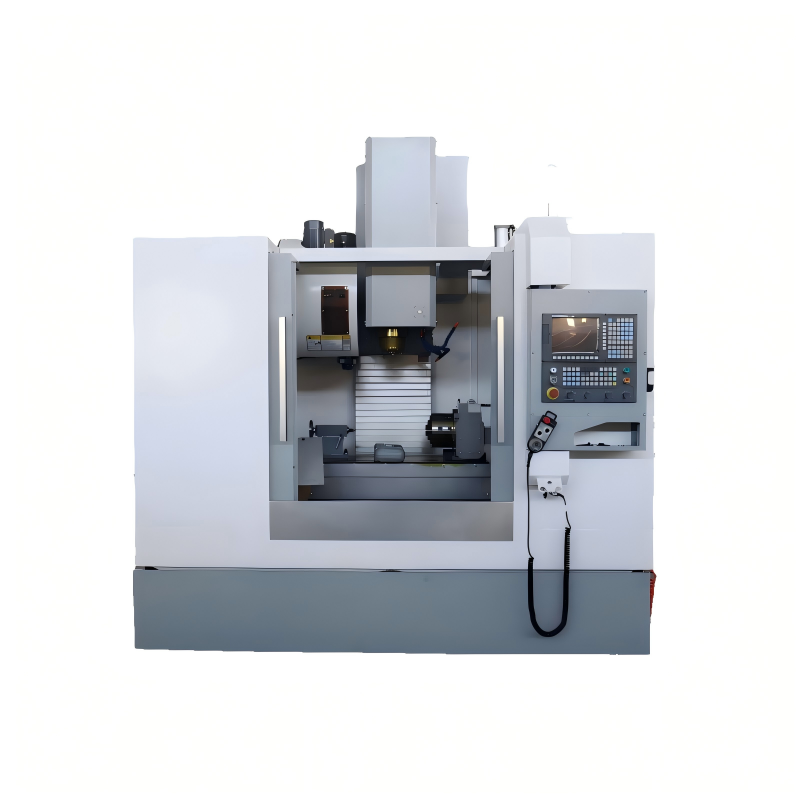
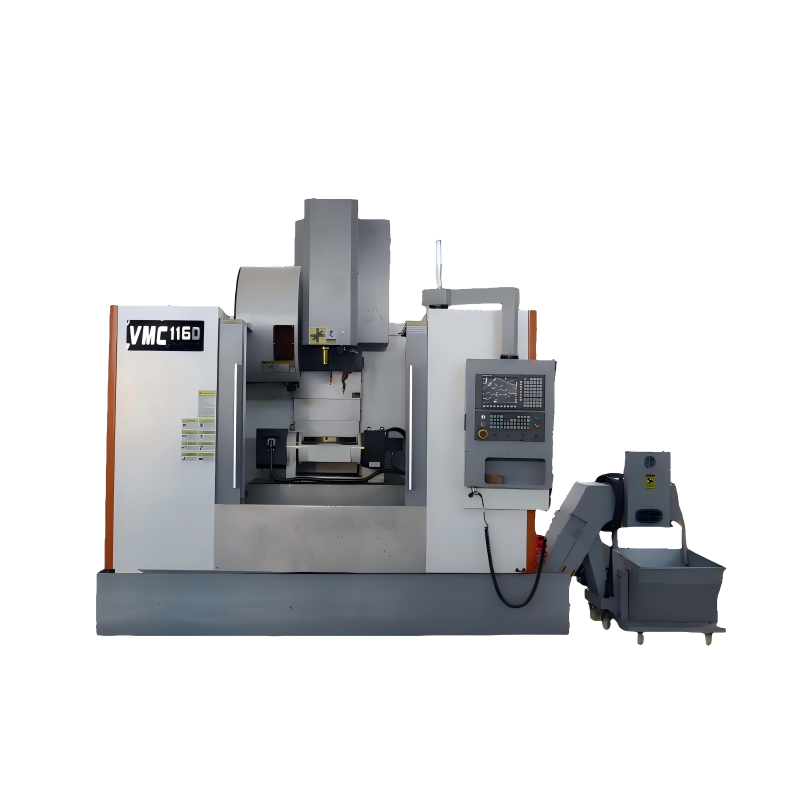
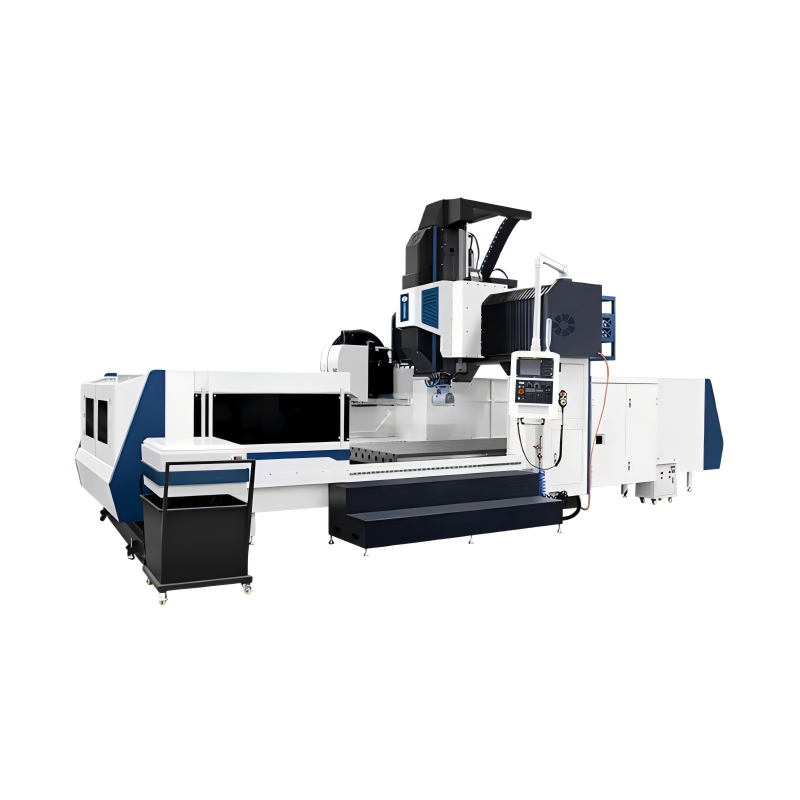
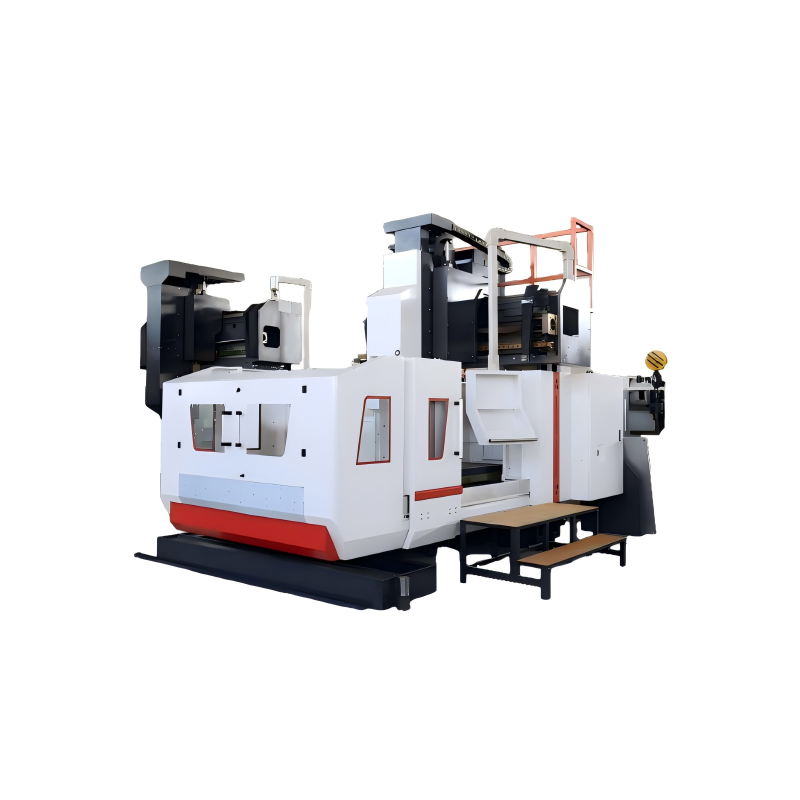
A 4 axis Vertical Machining Center represents a significant leap in the capabilities of traditional CNC (Computer Numerical Control) machines. Unlike its 3-axis counterpart, which can only move along the X, Y, and Z axes, a 4 Axis Vertical Machining Center adds an additional rotary axis, often referred to as the A or B axis, allowing for more complex and precise machining operations. This fourth axis enables the machine to rotate around one of the primary axes, typically the X-axis (A-axis) or the Y-axis (B-axis), facilitating the creation of intricate designs and components with greater efficiency. The inclusion of this extra axis significantly broadens the range of parts that can be machined, making it particularly useful in industries such as aerospace, automotive, and medical device manufacturing, where precision and complexity are paramount.
Choosing the right 4 axis vertical machining center is a critical decision that can impact the productivity, quality, and cost-effectiveness of your manufacturing processes. Several key factors should be considered when evaluating different models:
By carefully considering these factors, you can select a 4 axis vertical machining center that meets your specific needs and maximizes your return on investment.
The performance and reliability of a 4 axis vertical machining center are vital for ensuring consistent and high-quality output. To evaluate these aspects, consider the following:
By thoroughly evaluating these performance and reliability metrics, you can make an informed decision and choose a 4 axis vertical machining center that will provide years of dependable service.
Investing in a 4 axis vertical machining center is a significant financial commitment, and it's important to conduct a thorough cost-benefit analysis to justify the investment. Here are some key points to consider:
By carefully analyzing these factors, you can determine whether the investment in a 4 axis vertical machining center aligns with your business goals and provides a strong return on investment.
Selecting the right 4 axis vertical machining center is a multifaceted decision that requires careful consideration of various factors, including workpiece size and complexity, machine rigidity and stability, spindle speed and power, tool changing system, and control system and software. Evaluating the performance and reliability of the machine through metrics such as accuracy, thermal stability, and maintenance support is also crucial. Finally, conducting a cost-benefit analysis to justify the investment based on increased productivity, improved quality, expanded capabilities, and long-term cost savings is essential. By following these guidelines, you can make an informed decision and choose a 4 axis vertical machining center that will meet your specific needs and drive your business forward.
 23/06/2026
Vertical machining centers (VMCs) have long been a staple in the manufacturing industry, providing precision, efficiency, and versatility. Among these, the 4 Axis Vertical Machining Center stands out as a highly advanced and capable machine, designed to h
Read More23/06/2026Understanding the 4 Axis Vertical Machining Center The advent of advanced manufacturing technologies has significantly transformed the production landscape, with the 4 Axis Vertical Machining Center (VMC) standing out as a pivotal tool in modern manufactu
Read More23/06/2026IntroductionThe 4 Axis Vertical Machining Center (VMC) represents a significant advancement in the field of manufacturing, particularly when it comes to the production of complex parts. This technology has revolutionized the way intricate components are m
Read MoreOur professional sales team is always ready to assist you.