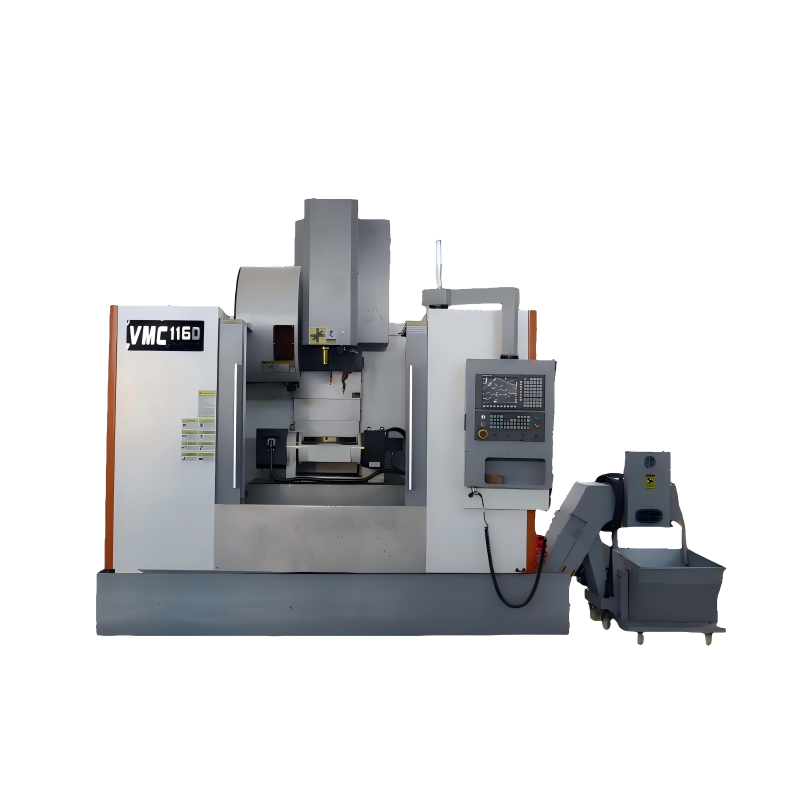
With the advancement of technology, choosing the right machine for your specific needs has become more critical than ever. When it comes to precision engineering and manufacturing, a Slant Bed CNC (Computer Numerical Control) Turning Lathe Machine stands out as a versatile and efficient solution. This guide aims to provide an in-depth analysis of the key factors one should consider when selecting a slant bed CNC turning lathe machine, ensuring that you make an informed decision that aligns with your operational requirements.
A Turning Lathe Machine is designed to shape material, typically metal, by rotating it rapidly while a cutting tool is applied to its surface. The introduction of CNC technology has revolutionized this process, allowing for greater precision, repeatability, and flexibility. A slant bed design, in particular, offers enhanced chip disposal, reduced vibration, and improved access to the work area, making it ideal for a wide range of applications from small parts production to large-scale industrial operations. Understanding these fundamental aspects is crucial before delving into the specifics of what makes a good choice for your needs.
The first step in choosing the right slant bed CNC turning lathe machine involves a thorough evaluation of your specific needs and the demands of the tasks at hand. Factors such as the type of materials you will be working with, the complexity of the parts, required tolerances, and production volume all play a significant role. For instance, if you are dealing with high-precision components, then a machine with advanced control systems and high-resolution encoders would be essential. On the other hand, for heavy-duty applications, the rigidity and stability of the machine become paramount. It's also important to consider future scalability; investing in a machine that can accommodate growth or changes in your business model can save you from costly upgrades down the line.
When assessing potential machines, several key features should be prioritized to ensure optimal performance and longevity. Firstly, the quality and durability of the construction materials are crucial. A robust build, often featuring cast iron beds, ensures minimal vibration and deflection, which is vital for maintaining accuracy over long periods. Secondly, the spindle power and speed capabilities directly impact the range of materials and sizes you can work with. Higher horsepower and variable speed options allow for greater versatility. Additionally, the control system is the brain of the machine. Modern CNC controls offer user-friendly interfaces, simulation capabilities, and extensive programming options, enhancing both productivity and ease of use. Finally, consider the automation and integration possibilities. Automatic tool changers, bar feeders, and robotic loading systems can significantly increase efficiency and reduce labor costs.
While the initial purchase price is a significant factor, it is equally important to consider the total cost of ownership (TCO) over the machine’s lifespan. Maintenance costs, energy consumption, and downtime all contribute to the TCO. High-quality machines, although they may have a higher upfront cost, often come with lower maintenance requirements and longer service intervals, leading to savings in the long run. Furthermore, energy-efficient designs can help reduce operating costs, especially in high-volume production environments. Lastly, the availability of local support and spare parts can minimize downtime and repair expenses, which is critical for maintaining continuous operation and meeting production targets.
To gain further insights, examining case studies and staying updated on industry trends can be highly beneficial. Case studies provide real-world examples of how different businesses have successfully integrated slant bed CNC turning lathe machines into their operations, highlighting the benefits and challenges encountered. These can serve as valuable references for understanding the practical implications of various features and configurations. Additionally, keeping an eye on industry trends, such as advancements in automation, new materials, and emerging technologies, can help you stay ahead of the curve and make more informed decisions. For example, the increasing adoption of Industry 4.0 principles, such as IoT (Internet of Things) and data analytics, is transforming how CNC machines are used and maintained, offering new opportunities for optimization and predictive maintenance.
In conclusion, selecting the right slant bed CNC turning lathe machine requires a comprehensive understanding of your specific needs, a careful evaluation of key features, and a consideration of the total cost of ownership. By following this guide, you can make a well-informed decision that not only meets your current requirements but also supports your future growth and success.
 15/06/2026
In the world of manufacturing, precision and speed are two critical factors that determine the success of a project. The turning lathe machine, a staple in workshops for centuries, has evolved to meet these demands, incorporating advanced technologies tha
Read More15/06/2026Introduction to Slant Bed CNC SystemsThe slant bed CNC (Computer Numerical Control) system represents a significant advancement in the field of machining, especially when it comes to precision and efficiency. This type of machine is designed with a tilted
Read More15/06/2026In today's fast-paced manufacturing environment, the efficiency and precision of turning lathe machines play a crucial role in determining the success of production processes. With the introduction of the latest turning lathe machine models, manufacturers
Read More15/06/2026The turning lathe machine is a cornerstone in the manufacturing industry, playing an essential role in shaping and machining parts with high precision. To maximize output while maintaining quality, it's crucial to understand the capabilities and best prac
Read MoreOur professional sales team is always ready to assist you.