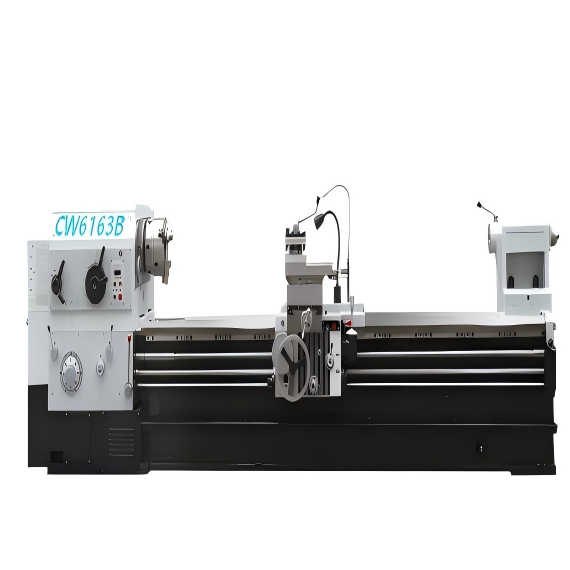
The Turning Lathe Machine is a cornerstone in the manufacturing industry, playing an essential role in shaping and machining parts with high precision. To maximize output while maintaining quality, it's crucial to understand the capabilities and best practices associated with high-performance turning lathe machines. This report delves into several key strategies that can be implemented to enhance productivity and efficiency when using a turning lathe machine.
One of the primary factors affecting the performance of a turning lathe machine is the initial setup. An optimized setup not only ensures the machine operates at its peak but also minimizes downtime and reduces the likelihood of errors. Here are some critical steps to consider:
Advancements in cutting technology have opened up new possibilities for increasing the efficiency and output of turning lathe machines. By adopting advanced cutting techniques, manufacturers can achieve faster cycle times, improved surface finishes, and extended tool life. Some of the key techniques include:
The integration of automation and digital technologies can greatly enhance the productivity and output of a turning lathe machine. By leveraging these technologies, manufacturers can achieve higher levels of efficiency, consistency, and data-driven decision-making. Some key areas to focus on include:
In conclusion, maximizing output with a high-performance turning lathe machine involves a combination of optimized setup, advanced cutting techniques, and the integration of automation and digital technologies. By implementing these strategies, manufacturers can achieve higher productivity, better part quality, and a more efficient production process. As the manufacturing landscape continues to evolve, staying ahead of the curve with the latest technologies and best practices will be crucial for success.
 15/06/2026
In the world of manufacturing, precision and speed are two critical factors that determine the success of a project. The turning lathe machine, a staple in workshops for centuries, has evolved to meet these demands, incorporating advanced technologies tha
Read More15/06/2026Introduction to Slant Bed CNC SystemsThe slant bed CNC (Computer Numerical Control) system represents a significant advancement in the field of machining, especially when it comes to precision and efficiency. This type of machine is designed with a tilted
Read More15/06/2026In today's fast-paced manufacturing environment, the efficiency and precision of turning lathe machines play a crucial role in determining the success of production processes. With the introduction of the latest turning lathe machine models, manufacturers
Read More15/06/2026With the advancement of technology, choosing the right machine for your specific needs has become more critical than ever. When it comes to precision engineering and manufacturing, a Slant Bed CNC (Computer Numerical Control) turning lathe machine stands
Read MoreOur professional sales team is always ready to assist you.