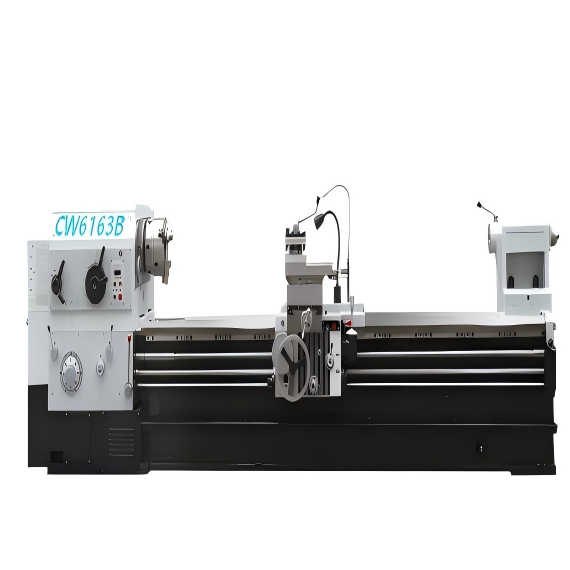
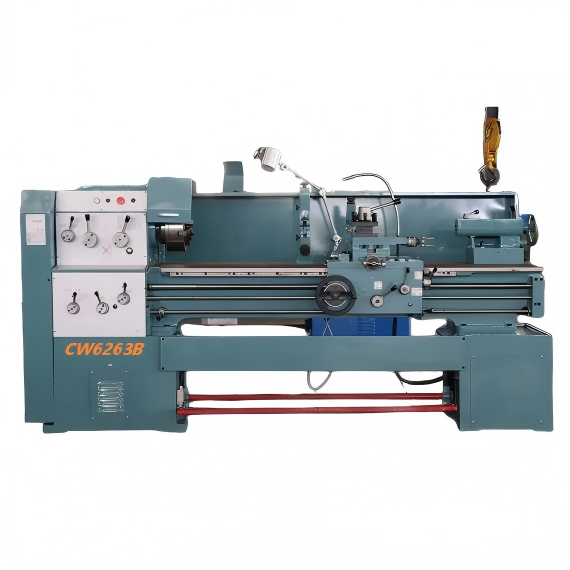
Conventional lathes, also known as manual lathes, have long been a staple in machining workshops due to their versatility and precision. A 630mm swing conventional lathe, in particular, is designed for handling a wide range of turning, facing, and threading operations. This guide aims to provide a comprehensive understanding of the operation, maintenance, and best practices associated with this type of lathe. Whether you are a beginner or an experienced machinist, the information provided will enhance your skills and ensure efficient use of the 630mm swing conventional lathe.
The 630mm swing conventional lathe is characterized by its ability to handle workpieces up to 630 millimeters in diameter. The term "swing" refers to the maximum diameter of the workpiece that can be accommodated between the lathe's headstock and tailstock. This lathe is equipped with a robust bed, a spindle, and a variety of tool holders, making it suitable for both small and large-scale production. Understanding the components and their functions is crucial for effective operation.
The main components include the headstock, which houses the spindle and drives the workpiece; the tailstock, used for supporting the other end of the workpiece; and the carriage, which holds the cutting tools. The bed provides a stable platform and ensures accurate alignment of all components. Familiarizing yourself with these parts and their interactions is the first step in mastering the 630mm swing conventional lathe.
Proper setup is essential for achieving accurate and consistent results. The following steps outline the process of setting up the 630mm swing conventional lathe:
By following these steps, you can ensure that the 630mm swing conventional lathe is set up correctly and ready for operation.
The 630mm swing conventional lathe is capable of performing a variety of operations, including turning, facing, and threading. Each operation requires specific techniques and considerations to achieve the desired results.
Each operation requires careful attention to detail and adherence to best practices to ensure accuracy and quality. Regular practice and experience will help you refine your techniques and produce high-quality results.
Regular maintenance is crucial for the longevity and performance of the 630mm swing conventional lathe. Follow these maintenance tips to keep your lathe in optimal condition:
Safety is paramount when operating a lathe. Always follow these safety guidelines:
By adhering to these maintenance and safety practices, you can ensure a safe and productive working environment.
The 630mm swing conventional lathe is a versatile and powerful tool that, when used correctly, can produce high-precision parts. Understanding the lathe's components, setting it up properly, and following best practices for common operations are key to achieving success. Regular maintenance and strict adherence to safety guidelines will extend the life of the lathe and ensure a safe working environment. With the knowledge and skills gained from this guide, you will be well-equipped to operate the 630mm swing conventional lathe with confidence and efficiency.
 25/06/2026
In the realm of machining, the selection of appropriate machinery is crucial for achieving optimal results. One such piece of equipment that stands out for its versatility and efficiency is the 630mm swing conventional lathe. This report aims to explore h
Read More24/06/2026Choosing the right 630mm swing conventional lathe for your workshop can be a daunting task, especially given the wide variety of options available in the market. This technical report aims to guide you through the process by highlighting key factors to co
Read More23/06/2026The 630mm swing conventional lathe is a fundamental tool in the world of machining, offering precision and versatility to engineers and machinists alike. This technical report aims to provide a comprehensive understanding of the 630mm swing conventional l
Read More16/06/2026As the manufacturing industry continues to evolve, the demand for high-quality, reliable, and efficient CNC lathe solutions has never been greater. TCK, a leading provider of advanced machining technologies, is at the forefront of this evolution, deliveri
Read More16/06/2026In the realm of metalworking, advancements in technology have consistently pushed the boundaries of what is possible. The introduction of the Turning Hard Rail CNC Lathe stands as a testament to this progression, offering unprecedented precision, efficien
Read More16/06/2026In the realm of metalworking, selecting the right equipment is paramount to achieving high-quality results and maximizing efficiency. One such piece of machinery that stands out in this regard is the 630mm swing conventional lathe. This article delves int
Read More15/06/2026The CW6163B Universal Lathe, a robust and versatile machining tool, stands out in the realm of precision engineering. This lathe, with its 630mm swing conventional lathe capability, is designed to meet the demands of modern manufacturing processes. The fo
Read MoreOur professional sales team is always ready to assist you.